PHOTO
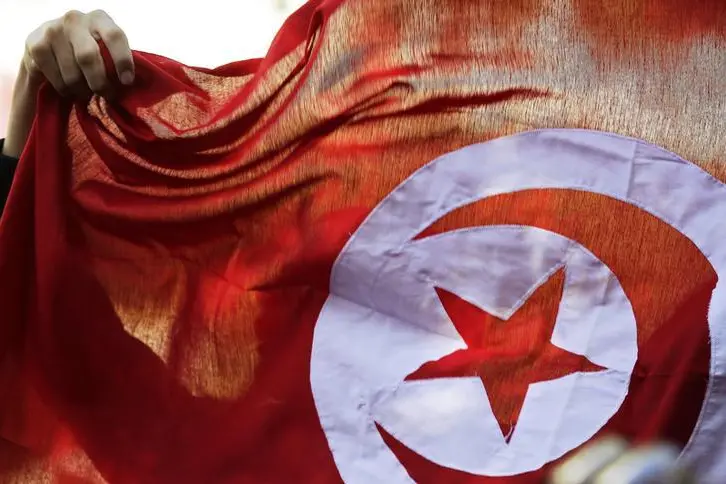
Tunisia - "Tunisia's position in the changing ranking of geopolitical forces remains weak despite its successful democratic transition," said member of the executive board of the Tunisian Confederation of Citizen Enterprises (CONECT) Slim Ben Rjeb.
Speaking at the eighth edition of the Tunis Forum held on Thursday under the theme "Tunisia and the New Geopolitics", Ben Rjeb pointed out that Tunisia will find itself unable to regain its rank because of its heavy external debt, energy dependence and irregular migration flows.
He stressed the need to consolidate relations with neighbouring and Western countries while preserving traditional ties with Tunisia's first economic and commercial partner; the European Union (EU).
Ben Rjeb called for developing new geopolitical partnerships in connection with food dependency with Russia and Ukraine, in addition to strengthening the security relationship with the United States and the future of irregular migration with African countries.
Ben Rjeb stressed the need to be open to new approaches meant to improve economic diplomacy and create a new dynamic so as to boost the business climate and thereby strengthen Tunisia's geostrategic position.
Researcher at the Carnegie Middle East Center Hamza Medeb underlined the weak position of Tunisia in the geostrategic map, explaining it by the isolationist approach adopted by the country for several years.
For the expert, Tunisia is able to secure the support of its traditional partners (European Union, United States or international donors.)
While several economic operators are increasingly recognising the importance of geopolitics which can considerably influence their economic decisions, they find themselves more than ever influenced by the international relations of their countries. On the other hand, Tunisia failed to diversify its relations, in addition to the blocking of negotiations with the IMF.
This situation led to Tunisia's marginalisation in the world and has deepened its financial crisis, he underlined.
Meddeb accused stakeholders of failing to manage Tunisia's economic and financial issues as well as worsening its relations with international partners. He also put the blame on the poor coordination between the presidency of the republic and the prime ministry and Tunisia's ambiguous political and financial policies.
According to the expert, it is crucial to adopt a clear political approach, which imposes a positive adaptation to the changes the world is facing.
An emphasis was also put on finding solutions as soon as possible so as to avoid Tunisia's economic collapse.
President of the Tunisian Association of Capital Investors (French: ATIC) Mohamed Salah Mrad called for reviewing alliances with traditional partners and opening up to new alliances with emerging forces as part of increasing the attractiveness of investments in Tunisia and providing all the opportunities offered while taking into consideration the advantages Tunisia enjoys including its strategic position and its human resources.
© Tap 2022 Provided by SyndiGate Media Inc. (Syndigate.info).