PHOTO
Egypt's current account deficit widened to $11.1 billion in the July to December period of 2024, the first half of its current fiscal year, from $9.6 billion a year earlier, the central bank said on Monday.
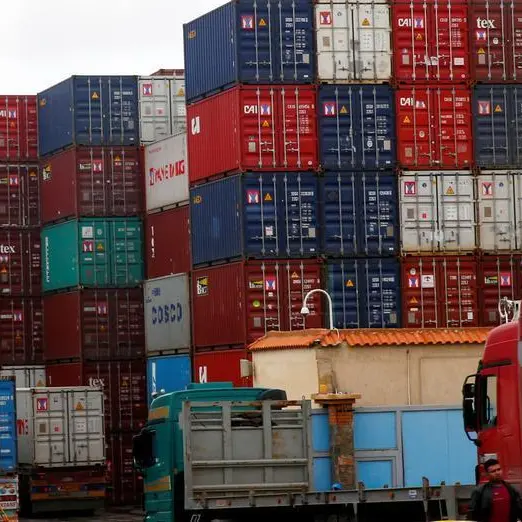
The bank attributed the move to a rise in the trade deficit, which climbed 47.4% to $27.5 billion, it said.
Revenue from international shipping route the Suez Canal fell by 62.3% to $1.8 billion in the period from $4.8 billion a year earlier, the bank added.
Plunging revenue from the canal, a vital source of foreign currency in Egypt, was hit hard by Iran-aligned Yemeni Houthis' attacks on ships in the Red Sea, which the Houthis have said is in support of Palestinians in Gaza.
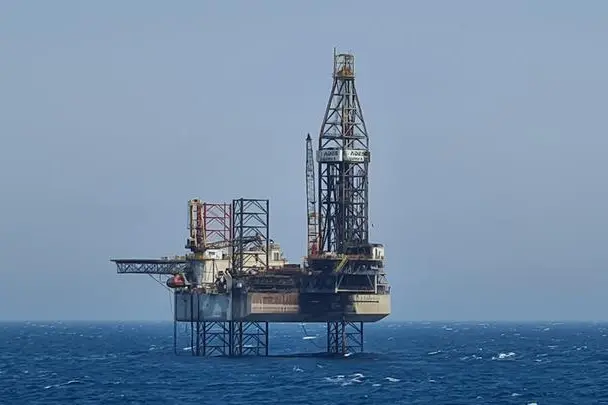
Egypt's oil exports dropped to a record low of $3.0 billion from $3.2 billion a year earlier, mainly due to a drop in natural gas and crude oil exports, while natural gas imports climbed by $2.1 billion.
The country returned to being a net importer of natural gas, buying dozens of cargoes and abandoning plans to become a supplier to Europe following a steep decline in domestic output.
Meanwhile, Egypt’s tourism revenues reached $8.7 billion in the half-year, compared to $7.8 billion a year earlier.
Egypt, home to the ancient pyramids and Red Sea resorts, has seen a recovery in its tourism sector after the COVID-19 outbreak, with tourist numbers reaching a record high of 15.7 million in 2024, according to its tourism ministry.
Remittances from Egyptians working abroad, another major source of foreign currency inflows, increased by 80.7% to $17.1 billion a year earlier.
Foreign direct investment rose to $6.0 billion from $5.5 billion a year earlier, the central bank added.
Egypt's fiscal year ends on June 30.
(Reporting by Ahmed Alimam and Nayera Abdallah; Writing by Jaidaa Taha, Hatem Maher and Nayera Abdallah; Editing by Tomasz Janowski and Jan Harvey)