PHOTO
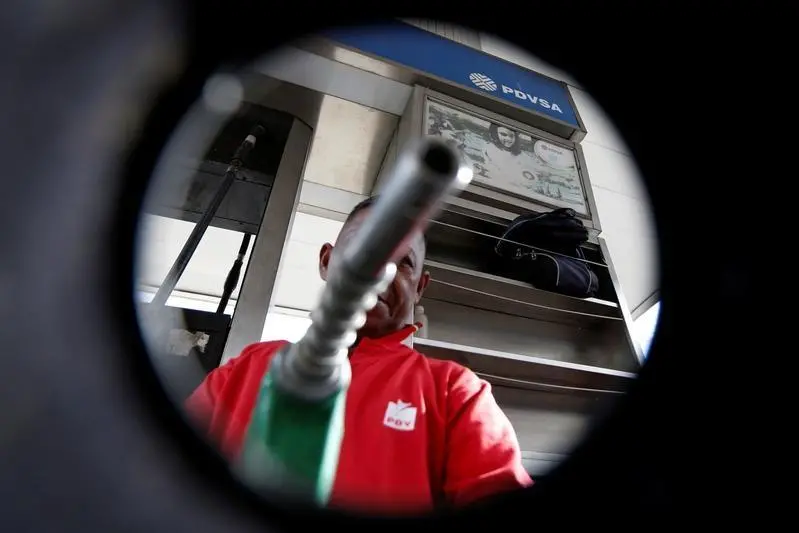
Last month’s shock petrol price increase has been defended by government representatives, who said it was done without warning to prevent panic buying at the pumps.
The January 8 price hike saw the price of premium Mumtaz (95 octane) fuel rise 25 per cent, from 160 fils to 200 fils per litre, and cheaper Jayyid (91 octane) fuel increase to 140 fils per litre, a 12pc rise from the previous 125 fils.
Six lawyers are now challenging the decision in the High Administrative Court, which yesterday adjourned the case until Sunday for the final submission of arguments.
The government is claiming it did not announce the decision in advance to avoid petrol shortages, according to one of the lawyers behind the lawsuit, Mohammed Al Thawadi.
“They (government representatives) said people would rush to petrol stations, causing traffic jams and petrol shortages, if the hike in prices was published by newspapers beforehand,” he told the GDN.
“They said not announcing the increase in petrol prices before it took place was an exception, which was made for the benefit of the people.”
Mr Al Thawadi added lawyers who filed the case had until Sunday to refute the government’s position.
He said they would argue the government was bound by law to announce such decisions in advance.
“They (the government) should have followed the law and if they wanted to benefit people, they would have not increased prices in the first place,” he said.
“The petrol price increase was published in the Official Gazette only after it was implemented, but this should have been the other way round.”
The case contests the legality of the decision to increase petrol prices, claiming it contravened the constitution.
According to Law 52 of 2006, resolutions issued by the Cabinet, government ministers and official bodies affecting the public must be published in the Official Gazette before being implemented.
The lawsuit has been brought against the National Oil and Gas Authority (Noga) and its chairman, Oil Minister Shaikh Mohammed bin Khalifa Al Khalifa.
Vote
Parliament has already voted against the new fees, although the largely symbolic move has had little effect.
Meanwhile, Noga has defended the decision by saying the government continued to subsidise petrol prices by 33pc – and that the new charges were in line with other GCC countries.
The decision to raise fuel prices is part of a broader austerity drive that has seen power, water, meat and fuel subsidies reduced since 2015.
noorz@gdn.com.bh
© Copyright 2018 www.gdnonline.com
Copyright 2018 Al Hilal Publishing and Marketing Group Provided by SyndiGate Media Inc. (Syndigate.info).