PHOTO
SINGAPORE - The U.S. dollar steadied against most major currencies on Thursday, pausing after strong gains this month, as dealers awaited clarity on what would happen next in the Iran war and hence the direction of oil prices, inflation and central bank policy.
Iran's foreign minister said the country was reviewing a U.S. proposal to end the war but did not intend to hold talks to end the widening Middle East conflict, leaving markets struggling for direction.
The dollar has been the outperformer in currency markets since the war began at the end of February, as the U.S. is a net energy exporter unlike Europe, Japan and Britain. On Thursday it was steady against most major peers.
The euro was flat at $1.1557. It has fallen from above $1.180 in late February, but is off its mid-month lows close to $1.140.
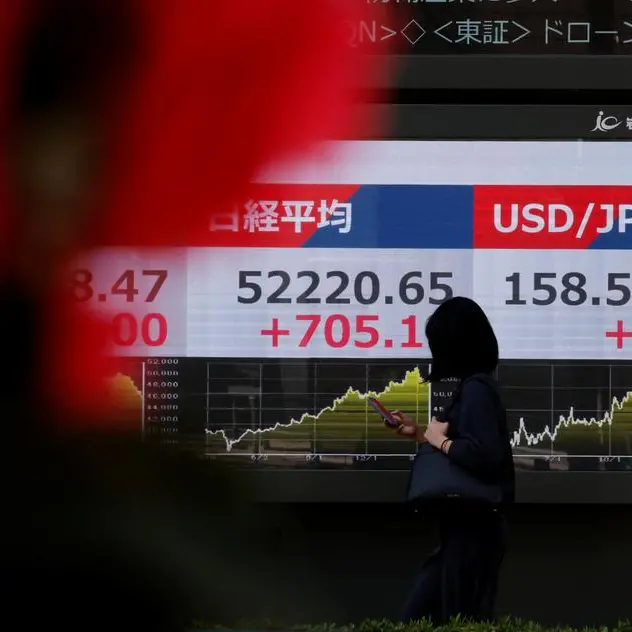
Sterling was slightly softer at $1.3349. While it has fallen less against the dollar than the euro, the monthly directional pattern of a sharp decline and some rebound has been similar. The dollar was flat against the Japanese yen at 159.48, but close to last week's near two-year top.
SLIGHT IMPROVEMENT IN SENTIMENT, ANALYST SAYS
ING currency analyst Francesco Pesole said in a note to clients that market sentiment had slightly improved after "some constructive headlines on the Middle East conflict".
"Still, the FX market isn't ready to add another leg of de-escalation trade just yet. After all, oil prices still above $100 a barrel argue against aggressive dollar selling."
The implications of the war for currency markets are largely driven by oil and gas prices. After the closure of the Strait of Hormuz caused energy prices to spike, traders have questioned previous inflation expectations and grown more confident that the U.S. Federal Reserve will keep policy settings on hold throughout the year.
Market pricing sees around a 40% chance the Fed will raise rates by its December meeting.
The situation is different in Europe. Markets are close to fully pricing three European Central Bank rate hikes this year, and expect at least two, maybe three, from the Bank of England.
But remarks from policymakers are being monitored for signs they may prioritise keeping rates lower to support growth rather than hiking them to curb inflation.
The problem of higher energy costs for central banks is that they both hit growth and drive inflation. European Central Bank President Christine Lagarde on Wednesday said the ECB would have to respond in a forceful or persistent way if inflation looked set to sit well above its 2% target for an extended period, but said even a more modest overshoot could call for a "measured" rate move.
Three BoE rate setters are also due to speak on Thursday. Against the Chinese yuan, the U.S. dollar was flat at 6.908 yuan in offshore trading after Trump said he will meet Chinese President Xi Jinping on May 14 and 15 following a delay due to the Iran war.
The dollar was also steady against the Swiss franc at 0.7920 francs.