PHOTO
Oman’s journey toward economic diversification is increasingly intertwined with its environmental agenda. The government’s evolving framework for environmental permits, sustainable construction and green investment demonstrates that growth and sustainability can coexist — provided that regulation encourages innovation rather than stifles it.
Oman’s recent reforms in this space are not merely administrative; they represent a cultural shift towards responsible development.
The Environment Authority’s restructuring of the environmental permitting process is one of the most significant reforms in this direction. By classifying projects into categories based on impact and setting clear timeframes for approvals, the system brings much-needed predictability. The maximum fee of RO 900 for three years reduces the financial burden on investors while maintaining rigorous oversight. Small and medium enterprises now find compliance achievable.
This approach reflects a broader understanding that environmental regulation is not a cost to business —it is an investment in resilience. By simplifying the process and reducing uncertainty, Oman is making it easier for companies to plan projects that meet sustainability standards from the outset. The focus on proactive compliance, where companies receive prior warnings before penalties, marks a progressive shift in regulatory behaviour. It positions the government as a partner in sustainability rather than a policing authority.
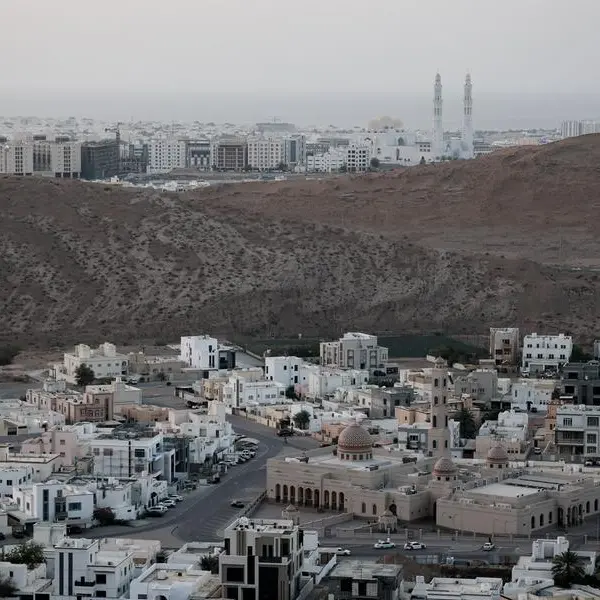
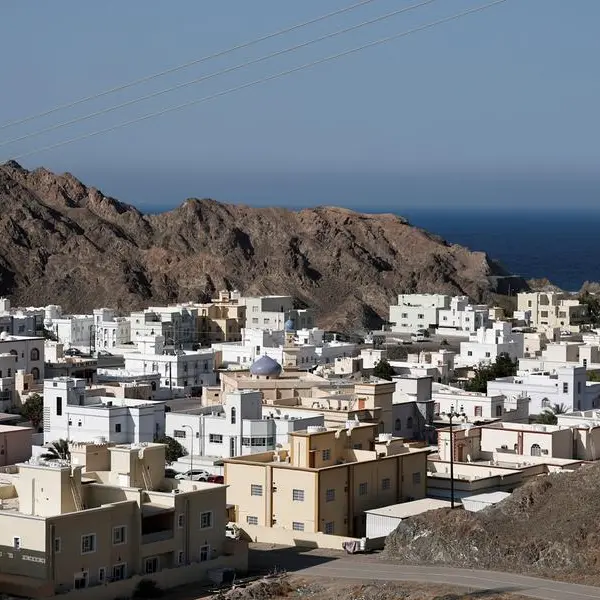
Infrastructure and urban development have also embraced this philosophy. Building permits, which once required complex multi-agency coordination, can now be secured within weeks through digital systems. Civil Defence, municipal and planning approvals are gradually being integrated into unified online workflows, allowing developers to track progress transparently. This not only shortens project timelines but ensures that safety and environmental standards are met without compromise.
The cumulative effect is the emergence of a development model rooted in sustainability and efficiency. Whether through smart energy use, digital permitting, or environmental classification, Oman is embedding sustainability into its administrative DNA. The country’s commitment to renewable energy projects, industrial diversification and efficient urban planning further demonstrates alignment with global environmental goals.
However, sustainability cannot thrive on regulation alone. It requires collaboration between government, industry and academia to develop new technologies, train green professionals and promote a culture of environmental responsibility. Initiatives that combine vocational training with sustainable construction practices, or partnerships that encourage private investment in waste management and recycling, will be key in sustaining this momentum.
In the broader context of Oman Vision 2040, Oman’s environmental and investment reforms are not separate pursuits — they are converging strategies. A nation that makes it easier to do business sustainably will attract investors who think long-term. By building systems that value both profit and preservation, Oman is crafting an identity as a forward-looking economy that balances growth with stewardship.
Ultimately, the success of Oman’s sustainability agenda will depend on consistency in enforcement and continuous engagement with the private sector. The current trajectory is promising — not because Oman has achieved perfection, but because it has embraced the principle that progress must be both practical and principled. In a world where the cost of ignoring the environment grows higher each year, Oman’s pragmatic path towards sustainable growth offers a lesson in balance that others in the region may well follow.
2025 © All right reserved for Oman Establishment for Press, Publication and Advertising (OEPPA) Provided by SyndiGate Media Inc. (Syndigate.info).