PHOTO
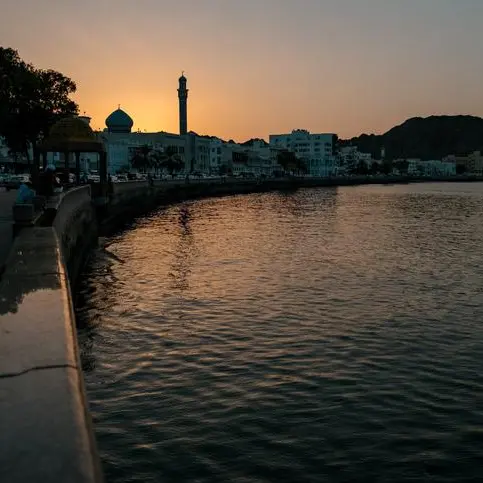
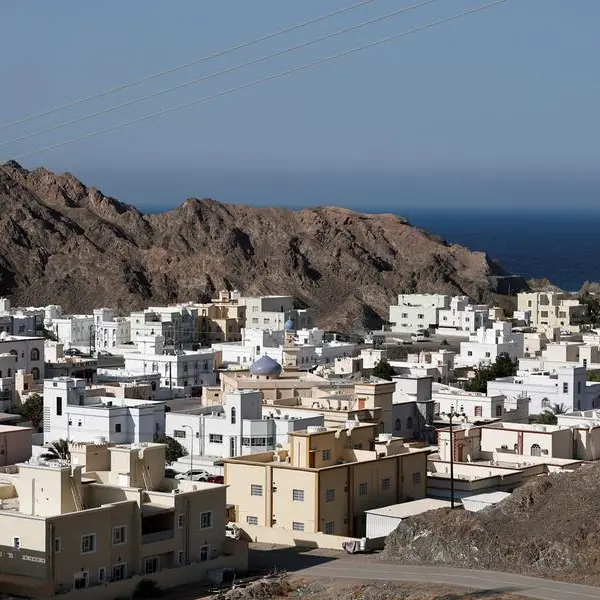
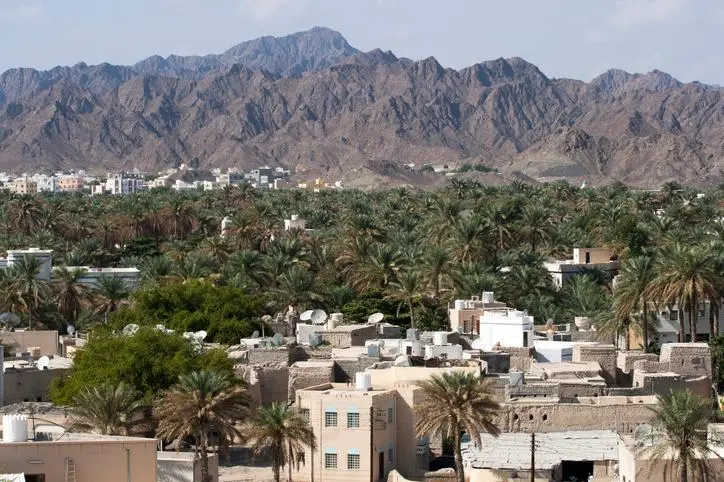
Muscat – Oman’s real estate market demonstrated resilience in the first half of 2025, underpinned by Vision 2040 reforms, ongoing infrastructure investment and diversification into logistics, tourism and manufacturing, according to Hamptons International Oman.
Activity was led by Muscat, where demand for Grade A offices, retail spaces and mid-income housing remained strong. Industrial and logistics tenants continued to target emerging hubs such as Duqm and Suhar, while Salalah benefited from expanding tourism projects.
The office sector remained tenant-friendly; absorption rose in premium clusters like Al Mouj and Madinat al Irfan. Demand for ESG-certified buildings is also on the rise, reflecting growing awareness of sustainability standards.
Retail markets stabilised around destination malls, while mid-income residential housing saw steady demand, accompanied by modest rent increases. Industrial and logistics properties in Suhar and Duqm continued to attract strong interest.
The hospitality sector strengthened during H1 2025, with higher occupancy rates, average daily rate growth and growing momentum in eco-tourism projects. Investment yields across sectors remained attractive, ranging between 8% and 11%, reinforcing Oman’s position as a stable, long-term growth market.
The total value of real estate transactions in 2025 reached RO1.593bn by the end of July, down 7.9% from RO1.73bn during the same period last year, according to the National Centre for Statistics and Information. Despite the drop in overall value, fees collected for legal transactions rose 24.1% to RO47.4mn compared to RO38.2mn in the corresponding period of 2024.
© Apex Press and Publishing Provided by SyndiGate Media Inc. (Syndigate.info).