PHOTO
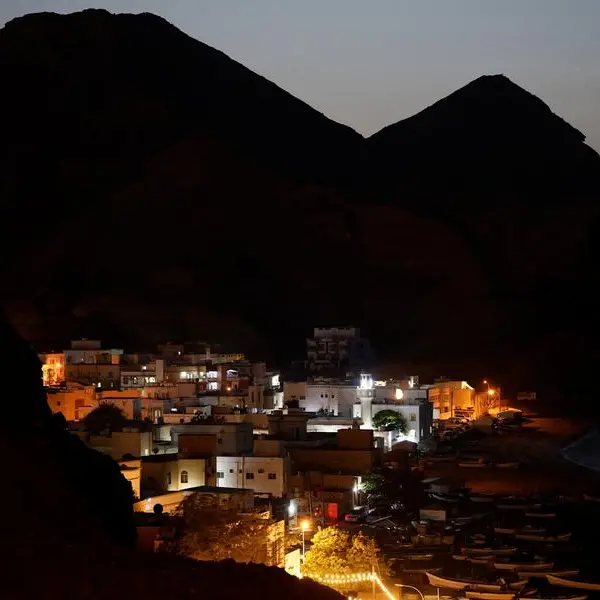
MUSCAT - The Sultanate of Oman’s real estate market demonstrated resilience in the first half of 2025, sustaining momentum across key segments despite global economic uncertainty, according to the Hamptons H1 2025 Market Report. The market’s stability was underpinned by ongoing infrastructure investment, Oman Vision 2040 — driven reforms and growing alignment with sustainability goals.
In an analysis of sectoral trends, the report highlighted Muscat,Al Duqm, Suhar and Salalah as the country’s leading real estate hubs, each driven by distinct economic strengths.
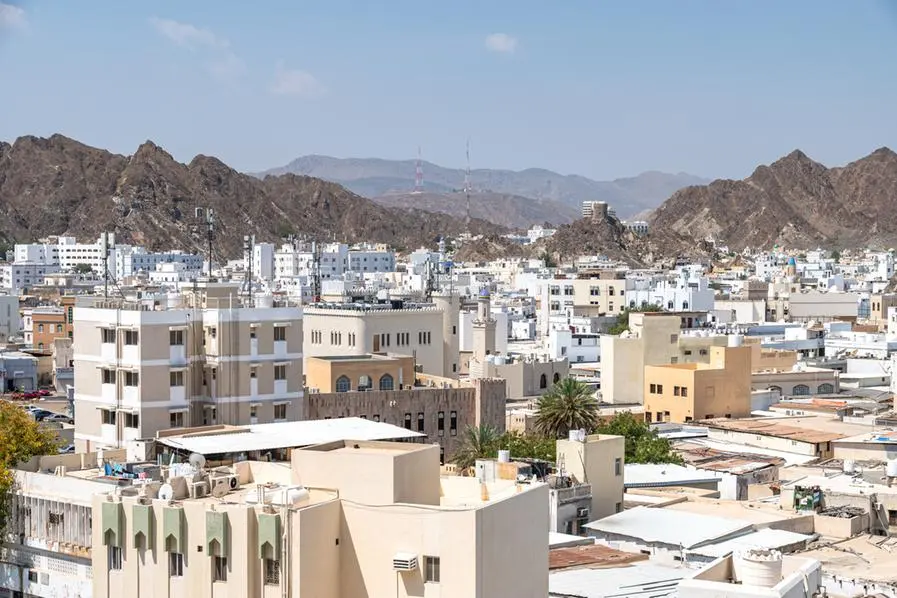
Muscat retained its position as the most active market, buoyed by government-backed urban development and rising demand for high-end residential and office properties.
Al Duqm continued to consolidate its role as a magnet for industrial and logistics investment, while Suhar maintained strong demand for warehousing. Salalah, on the other hand, benefitted from a steady revival in tourism-linked real estate.
ECONOMIC BACKDROP
Oman’s economy expanded by 2.3% in H1 2025, supported by growth in logistics, manufacturing and tourism. Non-oil GDP now accounts for over 35% of output, underscoring the country’s progress in diversification. Inflation remained contained at 1.8%, while employment indicators improved with increased private-sector activity in emerging industries.
Brent crude averaged $62 per barrel during the period, providing fiscal stability. However, market analysts noted that Oman’s cautious pivot away from hydrocarbon reliance is central to sustaining investor confidence.
OFFICE MARKET
Muscat’s office segment remained tenant-friendly, but demand for Grade A space grew, with absorption up 7% year-on-year. Premium destinations such as Al Mouj and Madinat Al Irfan commanded rents of RO 12 and RO 7 per sqm per month, respectively, compared to RO 5 in secondary districts like Al Khuwair and Al Ghubra.
The report also pointed to growing momentum for ESG-certified office buildings, particularly from multinational and financial tenants seeking sustainable and smart office solutions.
RETAIL SECTOR
Retail performance stabilised in H1 2025, particularly in destination centres such as the Mall of Oman and The Avenues Mall, which maintained high occupancy. The sector witnessed a shift towards food and beverage outlets and experiential retail, with landlords increasingly adopting hybrid leasing models, including turnover-based rent structures.
RESIDENTIAL MARKET
The residential segment showed stable demand for mid-income apartments and villas, with rents in premium Muscat districts such as Al Mouj and Al Qurum edging higher. Professionally managed gated communities commanded 10–15% rental premiums over standalone homes.
Affordable housing initiatives aligned with Oman Vision 2040 gained traction, while smart residential buildings with enhanced facilities also lifted demand.
INDUSTRIAL AND LOGISTICS
One of the strongest performing sectors was logistics and warehousing, with robust demand in Suhar, Al Duqm and Al Rusayl. SOHAR Port and Freezone remained the most active hub, attracting tenants in light manufacturing and food processing.
Al Duqm saw increased interest from Chinese and Indian logistics firms, reflecting GCC–Asia supply chain realignments.
The report also noted the rising investor appetite for green warehouses and ESG-compliant industrial assets.
HOSPITALITY AND TOURISM
Hotel occupancy in Muscat averaged 59% in H1 2025, fuelled by recovering business travel and regional tourism. Boutique hotels and eco-resorts in Dhofar and Al Jabal Al Akhdhar recorded strong occupancy, aligning with Oman’s push for sustainable tourism.
Guest arrivals increased by 2.3% year-on-year in Q1, accompanied by a 10.6% rise in hotel revenues. Average daily rates in the four- and five-star segment grew 7%, with stronger performance expected during the Khareef Dhofar Season in H2 2025.
OUTLOOK
Looking ahead, Hamptons projects that Oman’s real estate sector will maintain steady growth in the second half of 2025, supported by industrial demand, affordable housing initiatives, digital infrastructure and ESG integration.
The residential market is forecast to grow at a compound annual rate of 9.19%, expanding from $4.75 billion in 2024 to $6.6 billion by 2029.
2025 © All right reserved for Oman Establishment for Press, Publication and Advertising (OEPPA) Provided by SyndiGate Media Inc. (Syndigate.info).