PHOTO
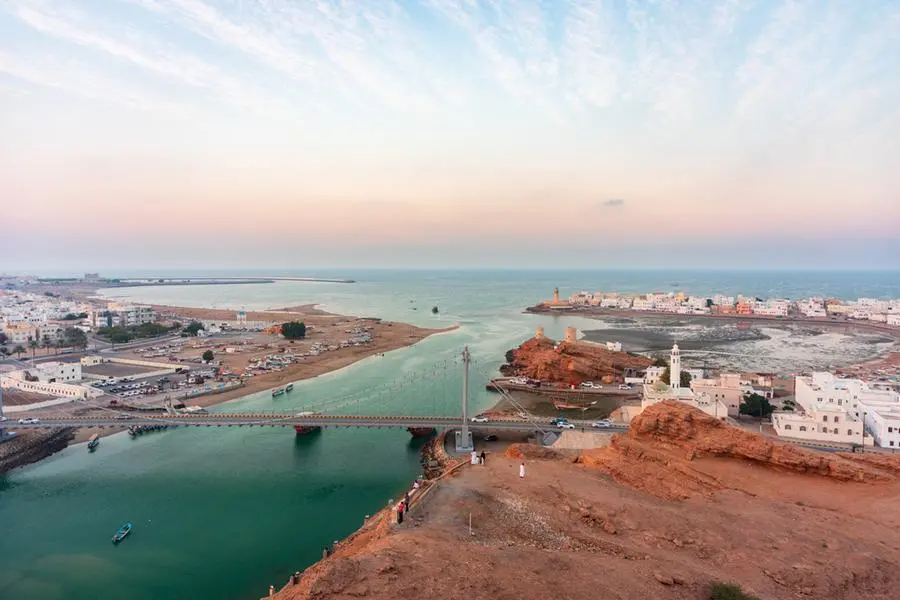
MUSCAT: Port of Salalah, a key transshipment and logistics hub on Oman’s southern coast, posted a 26 per cent rise in container throughput, while cautioning that further growth would hinge on the full restoration of maritime traffic through the Red Sea and other global developments.
The Container Terminal handled 3.2 million TEUs (twenty-foot equivalent units) during the nine-month period ended September 30, 2025, compared with 2.5 million TEUs for the same period last year — an increase of 26 per cent. The rise in volume was mainly attributed to additional vessel calls following the completion of the Container Terminal upgrade, the company said in its consolidated financial results for the period.
The upgrade—undertaken by international terminal operator APM Terminals, a strategic partner in the port, in collaboration with Salalah Port Services Company — involved a $300 million expansion and modernisation of the Container Terminal. The project included the installation of 10 new ship-to-shore cranes capable of handling ultra-large container vessels, expansion of yard and storage areas, the addition of 2,000 new reefer plug-ins and upgrades to all six existing berths, along with new access infrastructure and enhanced electrical systems.
Braik bin Musallam al Amri, Chairman of the Board of Directors of Salalah Port Services Company SAOG, noted however that the container shipping industry continues to face uncertainty and headwinds stemming from geopolitical tensions, global tariffs and inflation.
“The main global shipping lines, including Maersk and Hapag-Lloyd, continue to avoid Red Sea passage. It remains to be seen whether recent peace efforts will enable a return to Red Sea and Suez routes, which would likely benefit the Port of Salalah in terms of vessel calls and transshipment volumes”, he said.
“At this point, the Red Sea situation is expected to persist well into 2026 and as a result, SPS volumes are likely to remain flat at current levels. However, Maersk will continue to support SPS with its volume commitments, which include a penalty scheme for any expected shortfall”, Al Amri added.
Meanwhile, the General Cargo Terminal (GCT) handled 19.8 million metric tonnes of general cargo during the period, up from 17.0 million metric tonnes a year earlier — an increase of 17 per cent.
Al Amri further commented: “Growth in the General Cargo Terminal segment remains strong, with the dry bulk categories — particularly gypsum and limestone — serving as key drivers. This growth trajectory is expected to continue despite recent challenges related to intermittent shore crane availability. The liquid bulk outlook also remains positive, with significant interest from international operators and investors seeking to capitalise on the state-of-the-art facilities and available capacity”.
2025 © All right reserved for Oman Establishment for Press, Publication and Advertising (OEPPA) Provided by SyndiGate Media Inc. (Syndigate.info).