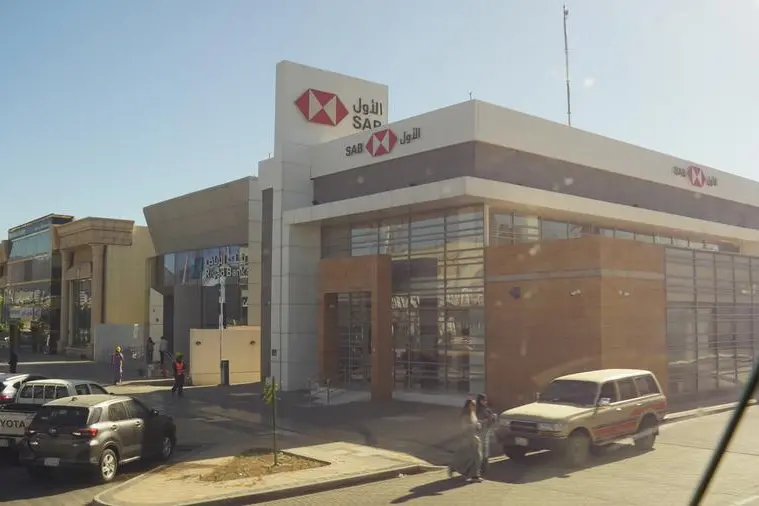
PHOTO
Everyone hopes that the 0.25% (a quarter of a percentage point) reduction in annual interest rates at banks worldwide will alleviate some of the burdens on borrowers, individuals and institutions, improve their financial standing, and increase their liquidity. This will help revitalise their businesses and institutions globally after a period of hardship in international markets.
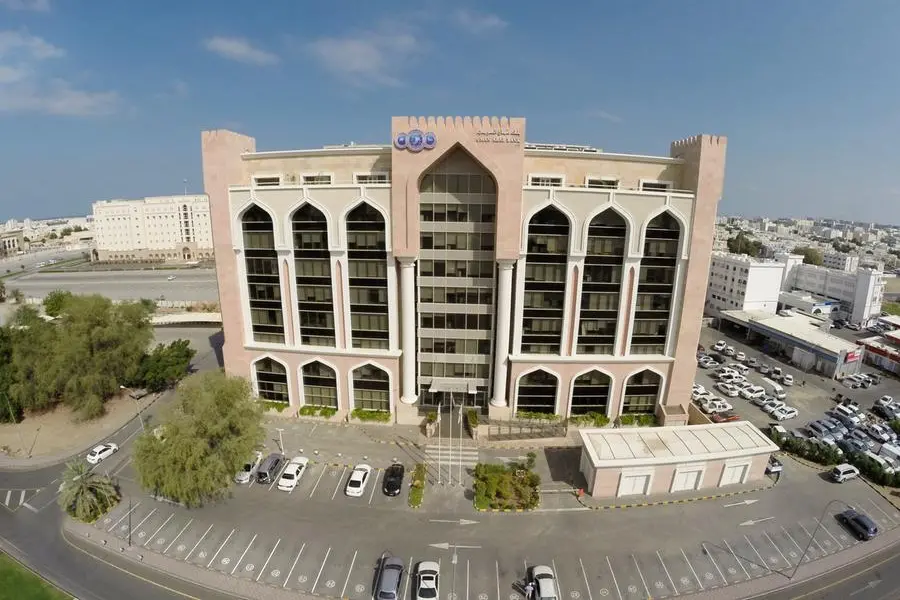
Banking activity in the Sultanate of Oman continues, with a large number of conventional and Islamic banks operating. Personal loans in the country still constitute a significant portion of the bank's credit portfolio, ranging between RO 10 - 11 billion annually in recent years.
According to data from the Central Bank of Oman on the distribution of bank credit, the total value of bank credit granted by conventional and Islamic banks in 2024 reached approximately RO 32.5 billion. Approximately RO 27.1 billion, or about 83%, was directed to the private sector by the end of 2024. Non-financial companies accounted for approximately 44.8% of this bank credit, while households and individuals accounted for approximately 45.6% of private sector credit by the end of 2024.
Most personal loans granted by Omani banks are directed to individuals for financing housing or home improvement, education, marriage, medical treatment, as well as spending on holidays, purchasing cars and household appliances and family consumption and entertainment.
All these loans are subject to the supervision, standards and precautions of banks, financial institutions and the Central Bank of Oman, ensuring that they do not exceed 40% of the total value of bank credit, given that high levels of household debt could pose a risk in the event of an economic shock.
Although there are categories that cover each economic sector in terms of the loans granted to it, there is no detailed data from the Central Bank of Oman's banking statistics on personal loans used for leisure projects. However, it is widely known that most of these personal loans are spent on improving living standards, vacations and purchasing cars and appliances. In other words, a significant portion goes towards leisure/living consumption and not necessarily towards productive investment or commercial projects.
Some borrowers from conventional and Islamic banks use these personal loans to establish small businesses or to purchase housing, in addition to the financing they receive from the Development Bank for their commercial activities. In recent years, it has been observed that some bank borrowers are also using these loans to purchase residential units, in addition to ongoing financing from the Oman Housing Bank.
According to the Central Bank of Oman's 2024 data, the percentage of non-performing loans in the household sector is low, indicating that activities within personal loans, as well as housing loans, are managed with acceptable risk levels. Undoubtedly, the existence of the Oman Housing Bank to support housing loans demonstrates a clear national commitment to providing housing for citizens, not just providing consumer loans.
This encourages citizens to purchase independent housing units, whether through financing from this specialised bank or by taking out loans from other banks in the country.
Ultimately, everyone hopes that the annual interest rates on personal loans will be reviewed, whether for purchasing housing or for various other purposes such as education, buying a car, or getting married, so that everyone can meet their needs without incurring excessive financial burdens.
2025 © All right reserved for Oman Establishment for Press, Publication and Advertising (OEPPA) Provided by SyndiGate Media Inc. (Syndigate.info).