PHOTO
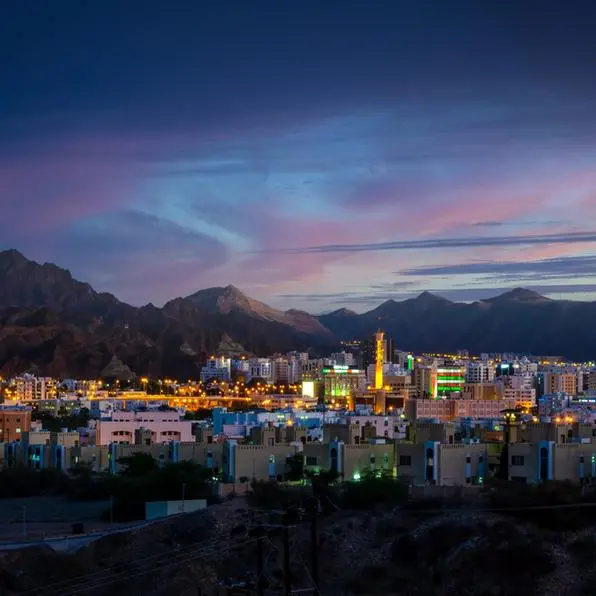
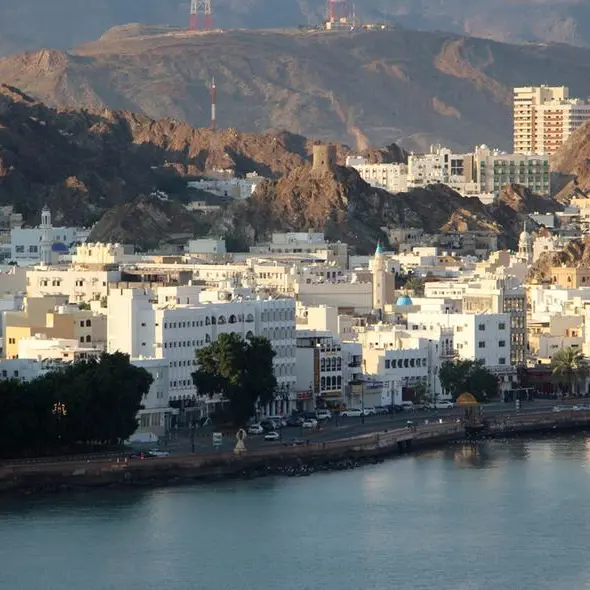
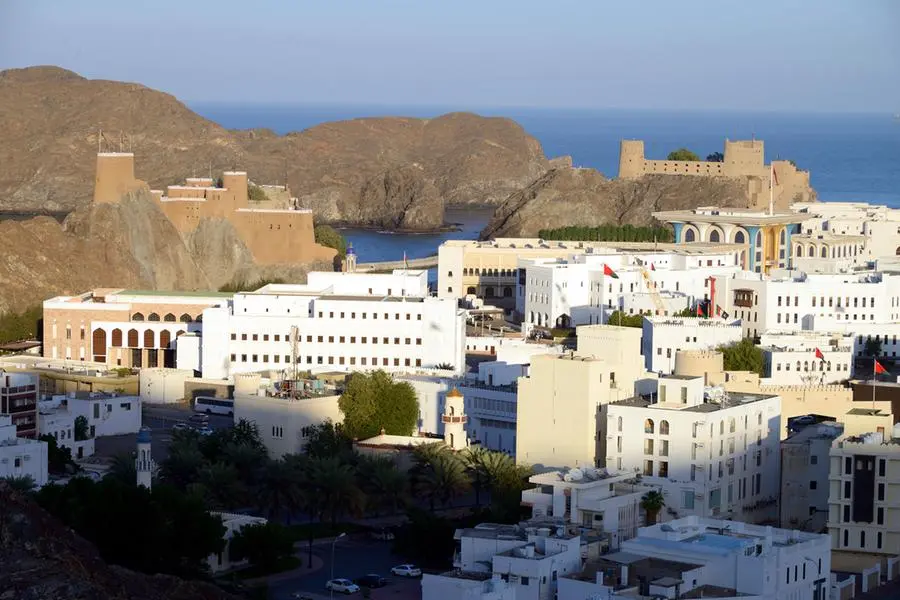
MUSCAT: Oman is capitalising on its sizable portfolio of Unesco World Heritage Sites, alongside other historical attractions, to attract both domestic and international visitors, according to Salim bin Mohammed al Mahrouqi, Minister of Heritage and Tourism.
The official emphasised that the combination of history and heritage will be leveraged to support the development of a diverse and sustainable tourism industry that fuels investment, job creation and business opportunities for Omani entrepreneurs.
“Heritage site development is fundamental for fostering interest, encouraging investment and boosting economic vitality”, Al Mahrouqi said. “For instance, Misfat Al Abriyeen and Nizwa have become sustainable destinations, developed by traditional communities and recognised by UN Tourism. These areas allow visitors to engage with culture through local accommodations, art and folklore”, he added in an interview featured in the latest edition of The Report: Oman 2025, published by Oxford Business Group (OBG).
Al Mahrouqi stressed the importance of sustainability in Oman’s long-term strategy for tourism development. “There is a commitment to aligning the sector with the UN Sustainable Development Goals and Oman's ambition to reach net-zero by 2050. The aim is to create a tourism ecosystem that prioritises environmental protection and supports local communities, raising awareness of sustainability, decarbonisation and necessary corrective measures”.
Salim bin Mohammed al Mahrouqi, Minister of Heritage and Tourism
A key example in this regard is the $1 billion Sustainable City — Yiti project, featuring energy-efficient buildings, renewable energy, water conservation systems and green spaces — elements that will position it to become Oman’s first net-zero community by 2040, he said.
“Tourism is at a critical juncture, as modern travellers increasingly prefer destinations that reflect their values. Furthermore, institutional investors are prioritising sustainability, highlighting the need for promoting eco-conscious investment opportunities”, the minister noted.
At the same time, the Ministry is implementing strategies to strengthen the resilience of Oman’s tourism sector, notably by diversifying its offerings and limiting the impacts of external shocks, such as those experienced in the post-Covid period. Central to this goal is a drive to boost domestic tourism, which accounted for around 70 per cent of the estimated 1 million tourists recorded in 2024.
“To bolster this resilience, we are promoting Oman’s diverse landscapes and heritage sites by developing new attractions like the Oman Botanic Garden, the Oman Across Ages Museum and the world’s longest zipline over water in Khasab. Additionally, we collaborate with the local hospitality and retail sectors to enhance domestic tourism through various campaigns”, he said.
Sustaining the sector’s growth in order to achieve targets set out in Oman Vision 2040 will necessitate significant investment and further diversification of Oman’s tourism product, the minister stressed.
“The national goal is to attract 11 million visitors annually by 2040, focusing on adventure, luxury, eco-tourism, cruises, meetings, incentives, conferences and exhibitions; and sports tourism. Achieving this target will require the development of specialised infrastructure, supported by more than $5.4 billion in investment aimed at fostering economic growth and benefitting local communities”, he stated.
In this context, Al Mahrouqi commended the role of public-private partnerships in developing the industry, as demonstrated by the Al Mouj Muscat and Jebel Sifah integrated tourism complexes. Likewise, state-owned Omran Group — the tourism investment arm of the Omani government — has also built an extensive portfolio that includes five master developments, 29 hospitality assets and five nature and heritage attractions, he added.
2025 © All right reserved for Oman Establishment for Press, Publication and Advertising (OEPPA) Provided by SyndiGate Media Inc. (Syndigate.info).