PHOTO
As Tanzania assesses the impact of the election-related protests, cities are experiencing fuel and food supply shortages, with prices tripling in places like Dar es Salaam.
Authorities had ordered the closure of fuelling stations on election day, October 29, when youth-led protests rocked several major cities in the country, disrupting the goods supply chain in the country and beyond.
This caused a jump in prices, with a litre of petrol selling at Tsh10,000 ($4), from Tsh2,752 ($1.12) in the Dar backstreets.
Public services were suspended for six days but, at her inauguration on Monday, President Samia Suluhu Hassan ordered the resumption of all public services and activities in the country.
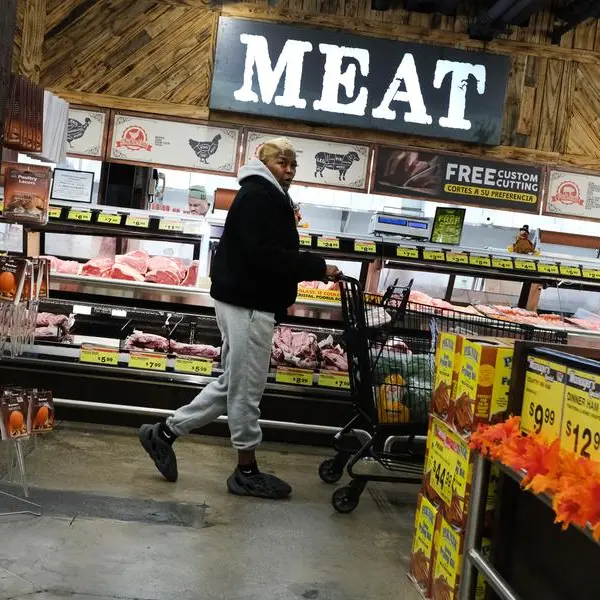
Supplies from food-producing regions upcountry were cut, leading to a shortage of groceries, and raising of prices of the limited available stocks.
But there is little respite even after the swearing-in of the President, as the curfew has not been lifted and movement remains restricted.
In the cities, security forces continued to control movement into frequented public areas such as markets and places of worship.
There has been screening of people in the cities, after security officials accused foreign nationals of masterminding the unrest.
Residents of Dar es Salaam, Arusha, Mwanza and Mbeya, where security and surveillance has been heightened, have to show identification documents to move from one place to another.
Key roads connecting Dar es Salaam and other parts of Tanzania remained abandoned on Tuesday, with only a few trucks ferrying essential goods taking to the road.
Long-distance passenger buses plying Tanzania inland and neighbouring countries have been grounded due to lack of fuel and the uncertainties along the way.
© Copyright 2022 Nation Media Group. All Rights Reserved. Provided by SyndiGate Media Inc. (Syndigate.info).