PHOTO
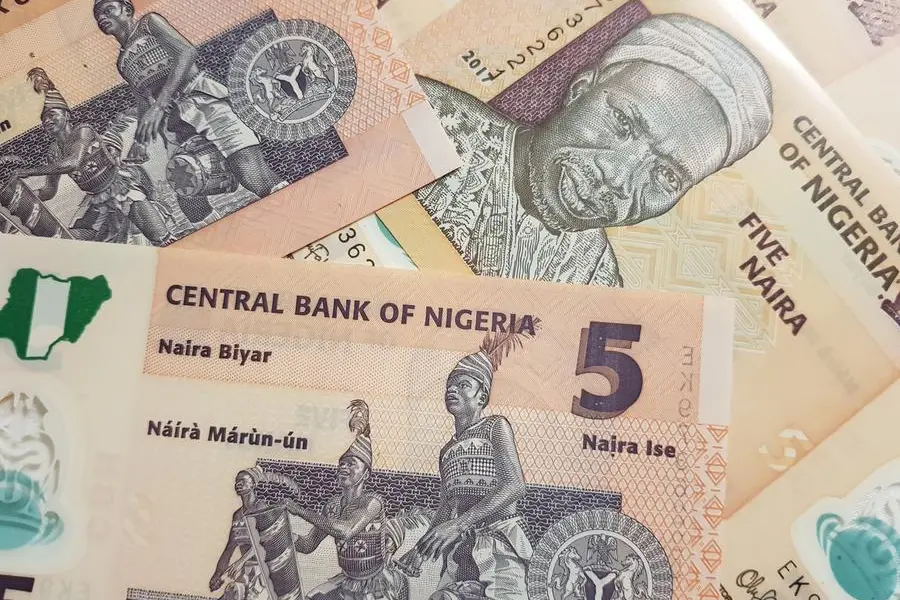
Nigeria's inflation will rise even further due to the naira currency’s weakness, according to accounting firm KPMG.
Inflation in September stood at 26.72%, its highest level in two decades. The October figure is due out soon.
The soaring inflation has been triggered by Nigeria's President Bola Tinubu's removal of foreign exchange controls and a fuel subsidy.
Although both actions have been well received by the markets and credit rating agencies, the naira has fallen by about 40% as inflation soars causing a cost of living crisis in Africa’s largest economy.
KPMG said headline and food inflation are unlikely to ease soon as the depreciation of the naira continues leading to higher production costs.
"Our model suggests that the combined influence of fuel subsidy removal and foreign exchange liberalisation may drive headline inflation to about 30% by December 2023," it said in a report.
The fuel subsidy and foreign exchange reforms will cut Nigeria’s GDP growth this year, according to the report titled 'Macroeconomic Review H1 2023 & Outlook for H2 2023'.
It projected a growth rate of 2.6% in 2023, lower than both the World Bank’s forecast that was revised downward to 2.8% and the 3.1% growth rate Nigeria achieved last year.
Another key factor behind the constrained growth this year will be low crude oil output, the report added.
The private sector will also take a hit as several companies are expected to make huge foreign exchange losses as has been the case in the first half of this year.
The lifting of foreign exchange controls and removal of the fuel subsidy will also weaken consumer demand and raise the cost of doing business for the rest of the year, the report said.
(Editing by Seban Scaria seban.scaria@lseg.com )