PHOTO
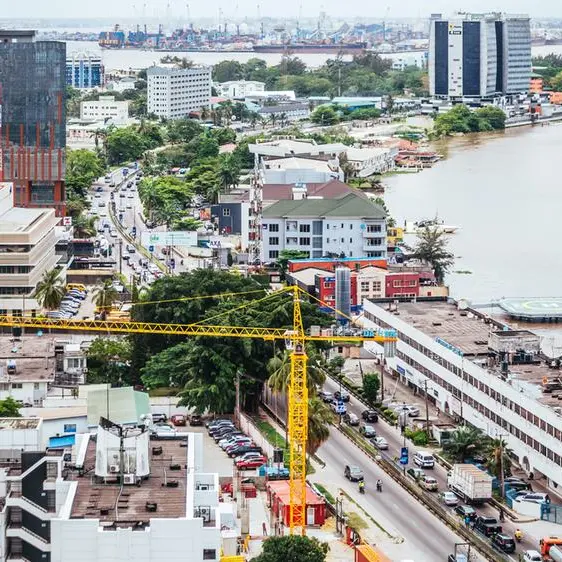
LAGOS - Fuel prices in oil-producing Nigeria have reached record-high levels, industry figures show, as maximum output from the giant Dangote Petroleum Refinery has failed to shield the country from the energy market impact of war in the Middle East.
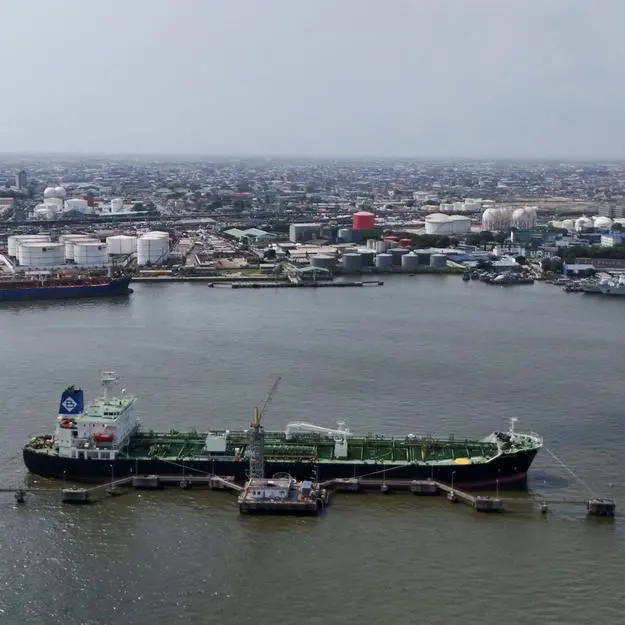
The 650,000 barrels-per-day refinery, Africa's largest, became fully operational early this year. It was designed to transform Nigeria into a major exporter of refined products after decades of inadequate refinery capacity. In the past, that repeatedly led to fuel shortages but government subsidies kept pump prices low.
President Bola Tinubu removed this buffer when he took office in 2023, promising reforms that earned plaudits from international investors.
Now Nigerians face the shock of a 65% price spike - the largest among major African economies as the impact of the new refinery has been blunted by the need to import large volumes of expensive crude from abroad, even though Nigeria is Africa's biggest oil producer.
INTERNATIONAL OIL MAJORS TAKE THEIR SHARE
The constraint stems from Nigeria’s financing model: state oil firm the Nigerian National Petroleum Company Limited’s joint-venture crude is tied to oil-backed loans and pre-export deals.
That means much of Nigeria's roughly 1.5 million barrels-per-day of production goes to paying debts to international oil majors, banks and traders. The NNPC does not disclose its obligations, but analysts estimate they amount to about 400,000 bpd.
David Bird, managing director at Dangote, told local TV that the company can only source about five crude cargoes a month locally, far short of the 13–15 required. It has to import the rest at prices dictated by the impact of the Middle Eastern war. For Nigeria the size of a cargo is typically around a million barrels.
The difficulty is compounded because Nigeria does not have a strategic fuel reserve and the government has yet to begin action to set one up.
"A strategic reserve would have shielded Nigeria somewhat from the inflationary effects of price spikes and keep refineries supplied during prolonged disruptions," Mikolaj Judson, an analyst at advisory company Control Risks, said.
IRAN WAR CAUSES UNPRECEDENTED SUPPLY DISRUPTION
The energy supply disruptions that have followed U.S.-Israeli attacks on Iran, which began at the end of February, are unprecedented. As a result of the conflict, shipment through the Strait of Hormuz, a route for about one-fifth of global energy supplies, is effectively closed for commercial shipping.
International oil prices have leapt to well above $100 a barrel, roughly 50% higher than before the war began, boosting the profits of many energy majors, while governments and ordinary consumers grapple with the risk of a surge in inflation.
In Nigeria, pump prices have risen by 65%, more than elsewhere in the region, where government price controls have limited the rise.
Between March 2 and March 21, fuel prices rose by about 10–17% in Ghana, were unchanged in Kenya due to price controls, and increased by around 1% in South Africa, according to industry and regulatory pricing data.
INFLATION IS REIGNITED AFTER IT HAD BEGUN TO COOL
In Nigeria, inflation had begun to ease after reaching a record high last year, but since the start of the war, the cost of transport and some food items has doubled.
“We are already feeling it in Nigeria,” said Salau Sodiq, a 25-year-old frozen-food-seller in Lagos. "The prices of fish and chicken have doubled, customers are complaining, sales are falling, and it’s becoming harder for us to buy the volumes we need."
Ride-hailing drivers in Lagos last week staged protests.
Nigeria's unreliable grid means many others are also exposed to expensive refined products as businesses and households rely on gasoline and diesel to power generators.
INCREASED VOLUMES DOMESTICALLY AND ALSO ABROAD
Dangote has raised gasoline supplies to Nigeria’s domestic market this month, even as it met growing demand from across Africa.
It sets its fuel prices in line with international fuel and crude benchmarks, factoring in freight and insurance costs.
The result was it raised its wholesale price by about 61% between early and late March, meaning customers are paying around 1,400 naira ($1.02) per litre in Lagos and Abuja, the highest Nigerians have ever paid.
After meeting Tinubu last week, Aliko Dangote, president of Dangote Group, said the conflict in the Middle East would worsen economic hardship across Africa unless it was urgently resolved.
Businesses and labour unions have called on the government for emergency relief, including tax incentives for refiners, more naira-based crude supply and temporary cushioning measures, while accelerating longer-term energy reforms.
In southern Oyo State, the governor approved a 10,000-naira transportation allowance for state government workers, to run for three months from April, to help offset rising fuel prices.
But Wale Edun, Nigeria's finance minister, said the government will not interfere with an "orderly market pricing system", preferring instead to focus on ways of helping people to adapt.
($1 = 1,377.8300 naira)