PHOTO
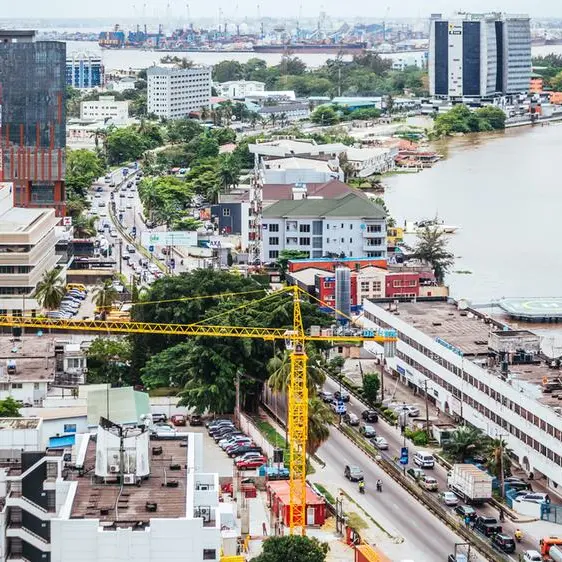
When First Bank, Nigeria’s oldest lender, opened its first cross-border branch in Ghana in 1997, it was such a novel idea that it took seven years before United Bank for Africa (UBA) followed the example in 2004. Then the idea caught on, with cross-border bank presence growing from a trickle to a stream by 2010.
Currently, all the leading Nigerian banks have subsidiaries across Africa, with footholds in the West, East, North and Southern regions. This has put them in an excellent position to drive growing intra-African trade under the aegis of the African Continental Free Trade Area (Af- CFTA) – processing payments, financing trade and investments.
Leading the charge is United Bank for Africa (UBA), which has a presence in 20 countries, followed by the Access Bank group, which has 19 units across the con- tinent. Ecobank Nigeria is already part of the 33-nation network Ecobank Transna- tional Inc., based in Lomé, Togo.
Others, such as Guaranty Trust Bank and Zenith Bank, adopted a more con- servative approach by setting up in fewer countries but now appear poised for fur- ther African expansion. New entrants, such as Fidelity Bank, are fine-tuning strategies.
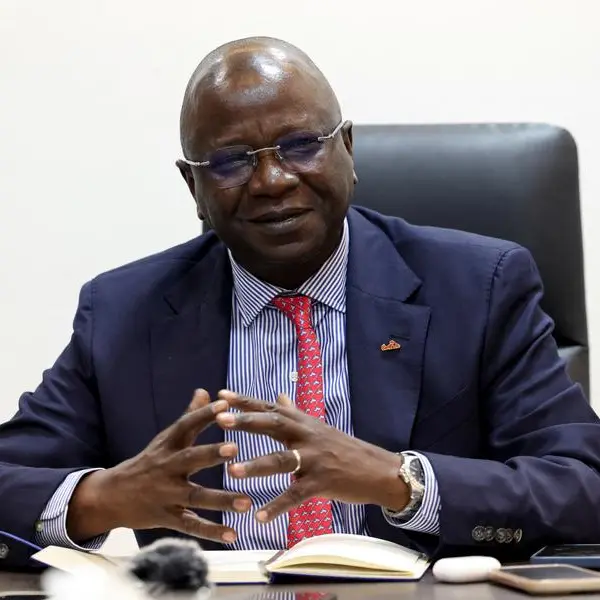
“Further strategic expansion positions us to unlock new opportunities and sup- port intra-Africa trade,” UBA's Group CEO Oliver Alawuba told reporters at a 10 July half-year review briefing in Lagos. With over 51.7% of group revenues from its ex- Nigerian operations, the bank is set to be- come one of the most diversified financial service providers in Africa.
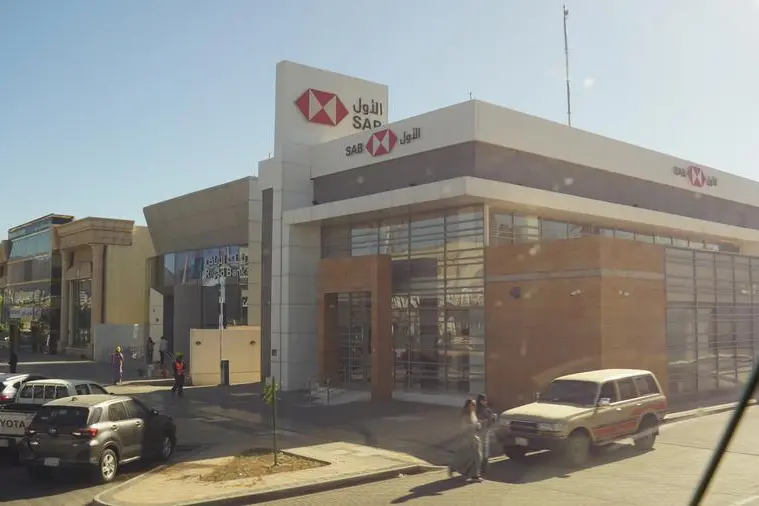
The banking group, which also has branches outside Africa, in the UK, France, the US and the United Arab Emirates, is also taking steps to strengthen its capacity to serve African businesses globally. It has applied to upgrade its banking licence in France while opening a new subsidiary in Saudi Arabia.
A similar strategy has been adopted by Access Bank, which also has branches in the UK, France and the United Arab Emir- ates, as well as representative offices in China, India and Lebanon, in order to bet- ter serve African clients. Access is also the first to make a foray north of the Sahara after announcing, in December, its plan to establish itself in Morocco and explore opportunities in Algeria and Egypt.
Though it was the first mover, First Bank’s subsequent African expansion was cautious as it limited itself to just six countries in West and Central Africa: Ghana, Senegal, Guinea, Sierra Leone, the DRC and the Gambia. New expansion plans unveiled by the banking group include rolling out units in Ethiopia, Angola, Cam- eroon, and Côte d’Ivoire.
Other top Nigerian banks such as Guar- anty Trust and Zenith Bank have also been more conservative about expanding across Africa. Guaranty Trust has operations in Côte d’Ivoire, Gambia, Ghana, Liberia, Kenya, Rwanda, Tanzania, Uganda, and Si- erra Leone. Zenith Bank has so far limited itself to branches in Ghana, Sierra Leone, The Gambia, and South Africa. Altogether, these Nigerian banks have helped drive a surge in trade among African countries.
“Nigeria’s recent trade data show that for the first time, it traded more within Africa than anywhere else,” Yemi Kale, chief economist at the African Export- Import Bank (Afreximbank), told reporters while presenting the bank’s 2025 African Trade Report in late June. Previously, Ni- geria traded more with Europe than with any other region.
According to Kale, one factor that has driven the trade surge substantially is the introduction of the Pan-African Payment and Settlement System (PAPSS) by Afrex- imbank and the AfCFTA Secretariat. The system enables businesses and individuals across Africa to make instant payments without using a non-African payment infrastructure.
Sixteen African countries, including Nigeria, have signed up to the payment system, and 22 out of Nigeria’s 26 com- mercial banks. Payments using PAPSS grew tenfold in the past year as more busi- nesses and organisations took advantage of its speed and lower costs.
Intra-African trade on the rise
Africa still trades more with the rest of the world than with itself. But there has been encouraging progress in the last decade, with the volume of intra-African trade rising from about 5% of Africa’s total trade a decade ago to about 15% presently, noted the Afreximbank report. At a time when international trade is faced with turbulence, it benefits African countries to trade more among them- selves, helping to insulate the continent from the vagaries of world trade, accord- ing to Kale.
To increase the momentum of Afri- can trade, the Central Bank of Nigeria announced new rules on 28 April that streamlined and simplified the required paperwork for transactions under PAPSS. Transactions under the value of $2,000 for individuals and $5,000 for businesses can now be carried out with basic know- your-customer and anti-money launder- ing documentation. Only transactions exceeding those amounts will require the use of “all documentation as stipulated” in the Central Bank’s Foreign Exchange Manual and related circulars.
The measure was commended by PAPSS’s CEO Mike Ogbalu III as a “bold policy move” that will enable “banks, businesses, and entrepreneurs to con- nect, trade, and pay more easily than ever before.”
Beyond mediating payments, Nigerian banks are also getting involved in invest- ments and project financing for small and medium-sized enterprises. Under a memorandum of agreement understand- ing signed by the AfCFTA office and UBA in 2023, the Group agreed to funnel as much as $6bn in credit to small and medium enterprises across Africa over three years.
The focus is on the 20 countries where the bank operates and is tied to sectors including agricultural processing, auto- motive parts, pharmaceuticals, trans- port and logistics, areas that are vital to intra-African trade.
The first major cross-border surge by Nigerian banks followed a major recapital- isation exercise in 2005, which imbued the subsequently consolidated banking system that emerged with the capital to take on new ventures. Many of the bigger lenders chose to expand beyond the country’s borders.
A new recapitalisation exercise directed by the monetary authorities last year, with a deadline of March 2026, may just spur another round of African expansion.
Under the new rules prescribed, banks with international operations are required to have a minimum capital of N500bn, while those operating nationally within Nigeria are limited to N200bn. While the top banks have either met the new tar- gets or already have a clear path to that end, the likes of Fidelity Bank, First City Monument Bank, Sterling Bank and Stan- bic IBTC still have some gaps to fill ahead of the deadline, according to analysts at investment banking group Afrinvest.
While Unity Bank is known to be in merger negotiations with Globus Bank, the outlook remains unclear for several third-tier banks that are yet to make their recapitalisation plans public. These include Nova Bank, Titan Trust Bank, Premium Trust Bank, Optimus Bank and foreign lenders Standard Chartered Bank and Citi- bank, for which the analysts see a merger as the only pathway.
Central Bank of Nigeria Governor Olay- emi Cardoso expects the recapitalisation to prepare the country’s banks for greater challenges ahead, including giving more credit to small businesses that comprise the bulk of the African private sector. Banks will also be able to invest in the technologies and innovations to make service delivery even easier.
Cardoso said of the impacts on financial inclusion: “New technologies are key to breaking down geographic and economic barriers, bringing financial services to even the most remote areas.”
Many companies trading in Africa have noted the significant improvements in continental payments and now want at- tention shifted to other impediments to trade. These include poor cross-border infrastructure and conflicting immigra- tion regulations that make logistics a nightmare for intra-African trade.
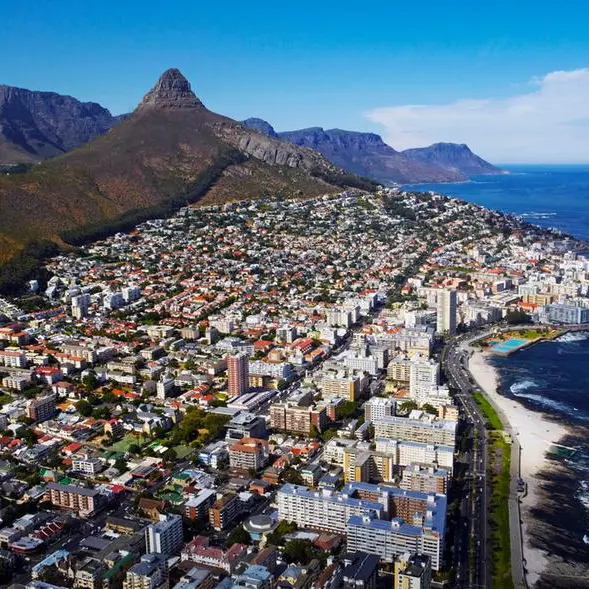
“There’s a lot of regulatory harmonisa- tion that needs to be done,” Aminu Umar, the CEO of Sea Transport Services, which ships goods across Africa, said at a recent conference in Cape Town, South Africa. “There’s a need for capital investment to come into infrastructure, especially logistics; and you don’t [want to] have to go through a lot of visa processes just because you'd like to go to your next-door neighbour.” n
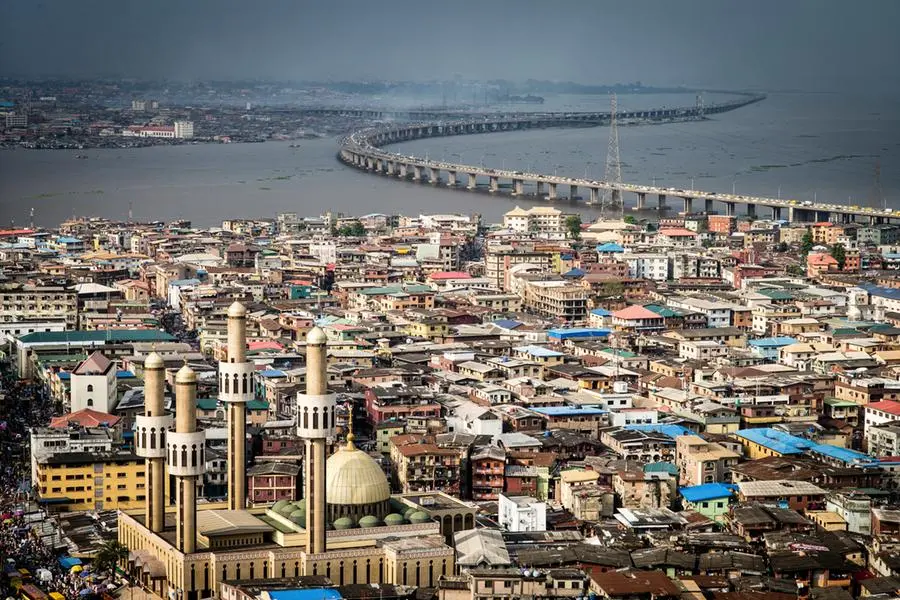
The new recapitalisation exercise for Nigerian banks directed by the monetary authorities last year, with a deadline of March 2026, may lead to another round of intra- African expansion.
© Copyright IC Publications 2022 Provided by SyndiGate Media Inc. (Syndigate.info).