PHOTO
In 1985, the American magazine Newsweek reported that the number of high-rise buildings in Shanghai, China’s biggest commercial city, could be counted on the fingertips.
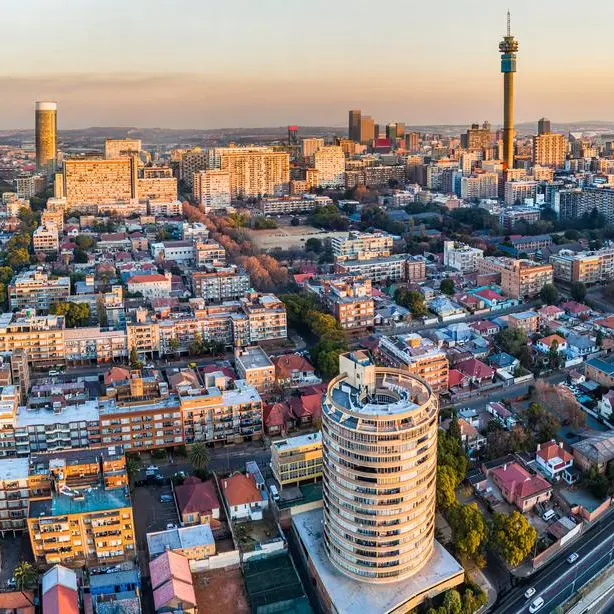
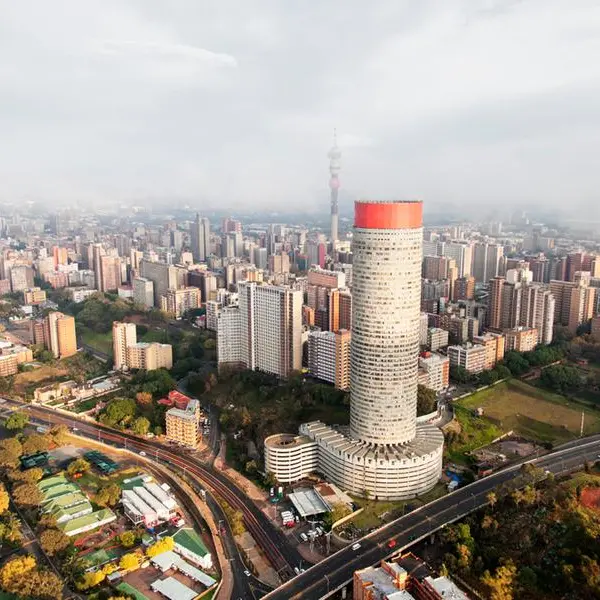
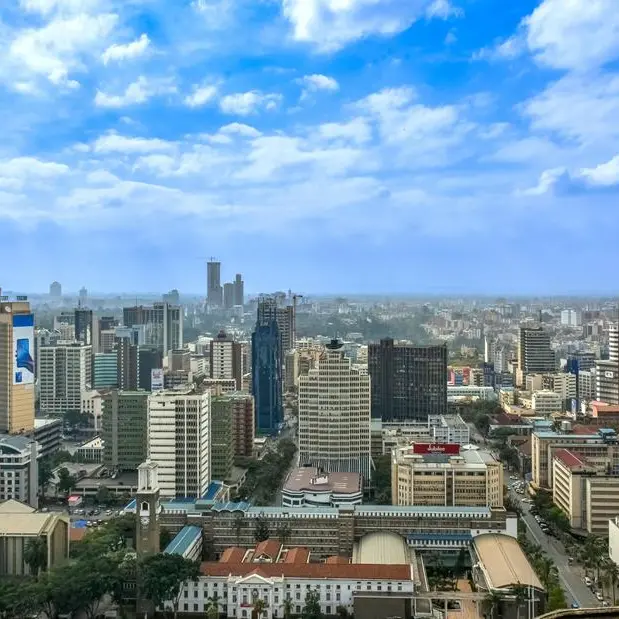
By 2005, 20 years later, when I had the first opportunity to visit Beijing and Shanghai as part of China-Africa Editors’ Delegation touring that Asian country, skyscrapers had become a common feature of the entire landscape of China. China had become a huge construction yard. There was visible economic boom.
Today, although China now faces significant economic headwinds, with growth moderating in the face of structural constraints, including declining working age population, diminishing returns on investment, and slowing productivity growth, it remains, nonetheless, one of the largest global economies.
According to a report by the World Bank Group, the country’s real Gross Domestic Product (GDP) growth — a common measure of economic activity and size — slowed from double-digit annual increases during the 2000s to 5.3% in this year’s second quarter. China continues to be a major global trading partner, regardless, ranking as the world’s second-largest economy, only behind the United States.
China’s monumental development was not a chance occurrence. It came by deliberate, continuous and consistent planning. China has continued to plan, and doing so comprehensively.
Just last week, the Fourth Plenary Session of the 20th Central Committee of the Communist Party of China took place in Beijing. Held from October 20–23, 2025, at that session, China unfolded its 15th five-year development plan.
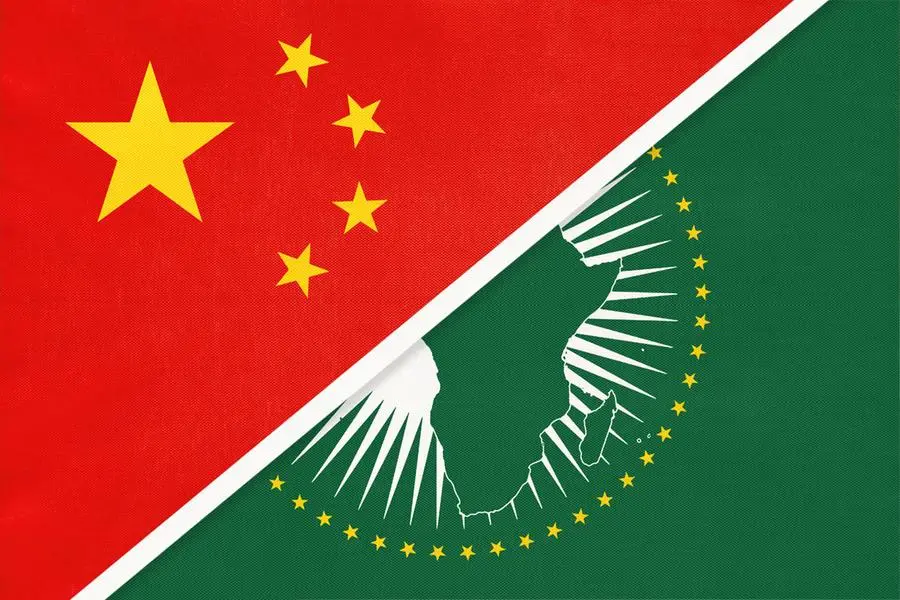
As we gather today to discuss the future of Africa-China cooperation in the context of China’s 15th Five-Year Plan, it is important to first enumerate some of the highlights of this new five-year plan (2026–2030), the significance of the bilateral relationship between China and Africa (with particular reference to Nigeria), and its potential for mutual benefit.
China’s 15th five-year plan highlights a few thematic priority areas, which include economic transformation, digital economy, global economic governance, and the Belt and Road Initiative that has been a cornerstone of China–Africa cooperation. This present plan emphasizes high quality development, focusing on technological innovation, green development and economic restructuring.
On digital economy, the plan prioritises digital infrastructure, artificial intelligence and data-driven industries. With regard to global economic governance, China aims to play a more active role globally, promoting free trade and investment.
The five-year plan, no doubt, offers unique opportunities for Africa. This is in terms of infrastructural development, industrialization, partnership in boosting agriculture and technological innovation. China’s expertise in infrastructure development can help bridge Africa’s infrastructure gap, promoting economic growth and development, and creating opportunities for job creation and economic diversification.
At present, the partnership between China and Africa has recorded remarkable achievements in the past five years.
And these gains in various fields are evident. For instance, at the Forum on China–Africa Cooperation Beijing Summit held last September, President Xi Jinping announced zero tariff treatment on products with 100% tariff lines for all least developed countries having diplomatic relations with China, which include 33 African countries.
Indeed, contrasts are bound to be drawn in contemporary global affairs, particularly in relation to President Donald Trump’s imprudent tariff regime and its negative disruption of global trade.
In June this year also, China extended the zero-tariff treatment to cover 100% of tariff lines for all 53 African countries that have diplomatic ties with China.
From January to July 2025, China’s imports from Africa’s least developed countries reached 39.66 billion USD, with a year-on-year increase of 10.2%.
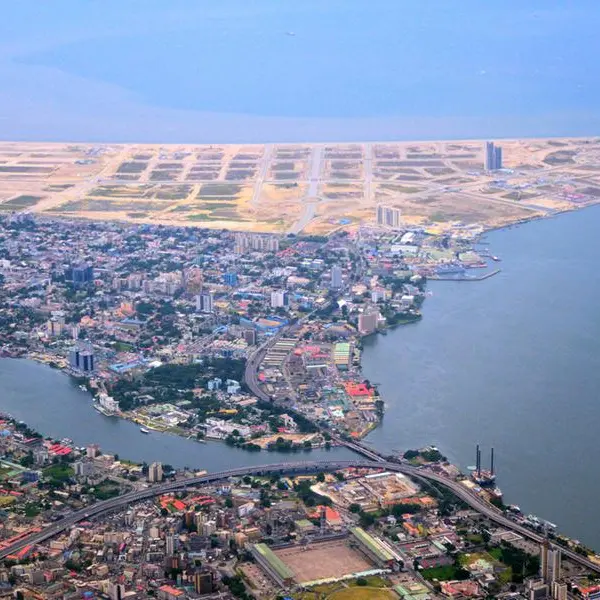
This strikes a resonant chord in Nigeria, where the Lekki Deep Seaport stands glowingly to China’s credit. The Blue (Rail) Line built by a Chinese company provides green and convenient public mass transportation to Lagos residents. Across Africa, China’s infrastructural imprints are just as phenomenal.
Major projects built by Chinese enterprises, such as Morocco’s Noor III and Concentrated Solar Power Project and South Africa’s De Aar Wind Power Project, have illuminated millions of homes across Africa, helping in the path to sustainable growth and development.
China’s new energy vehicles are also rapidly entering the African market, offering new options to improve urban air quality.
These are commendable. But Africa needs more if China, like a true friend of Africa that it is, genuinely wants to leapfrog the continent’s development.
However, there are identifiable obstacles that pose serious challenges to China–Africa cooperation. These deserve to be addressed and should not be glossed over.
Firstly, the huge debt Africa owes China is a major problem. As of 2020, Chinese lenders accounted for approximately 12% of Africa’s external debt, which has grown more than fivefold since 2000, reaching $696 billion. Between 2000 and 2023, Chinese financial institutions extended 1,306 loans, totalling $182.28 billion, to 49 African countries and seven regional organisations. Africa needs to ensure that the debt levels remain sustainable, while China also needs to consider debt restructuring or forgiveness.
Secondly, Chinese industries in Africa must prioritize environmental and social impact assessments. China must rein in her companies to ensure they operate in ways that enhance environmental safety. Indeed, global environmental problems cannot be solved without China’s engagement.
Given its size, China is central to many regional and global development issues. Admittedly, China is not the main source of historical cumulative emissions. Yet, according to the World Bank, China today accounts for nearly a third of annual global carbon dioxide and 30% of the world’s greenhouse gas emissions — with per capita emissions now surpassing those of the European Union, and on par with the Organisation for Economic Co-operation and Development average.
Copyright © 2022 Nigerian Tribune Provided by SyndiGate Media Inc. (Syndigate.info).