PHOTO
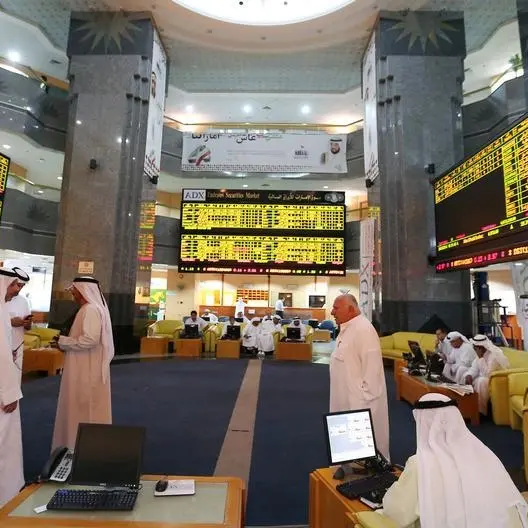
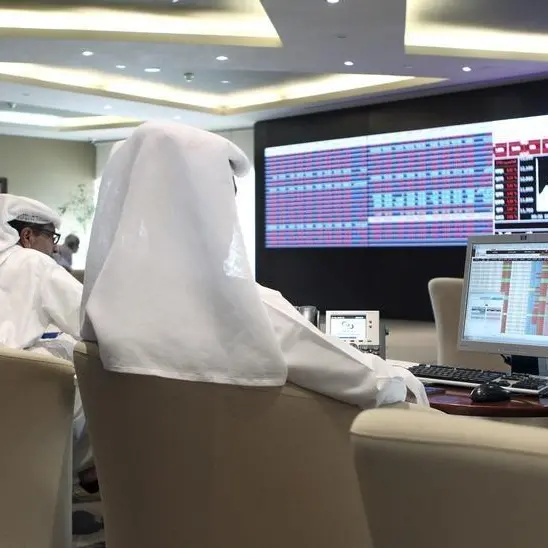
Most Gulf stock markets fell on Thursday as a fragile regional truce appeared to be under strain, spooking investors and reviving concerns over prolonged geopolitical and inflationary risks.
The ceasefire's durability was cast into doubt on Wednesday as Israel continued strikes on Lebanon, with Iran saying it would be "unreasonable" to pursue talks on a lasting peace deal.
Israel and the United States both said the two-week ceasefire did not cover Lebanon, and Israeli Prime Minister Benjamin Netanyahu said the strikes would continue.
Iran also targeted oil infrastructure in neighbouring Gulf states, including a Saudi pipeline used as an alternative route to the blockaded Strait of Hormuz, an oil industry source said. Kuwait, Bahrain and the UAE likewise reported missile and drone strikes.
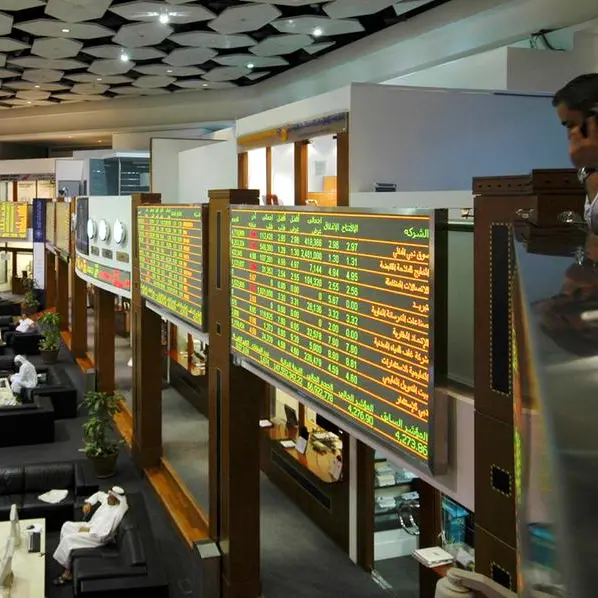
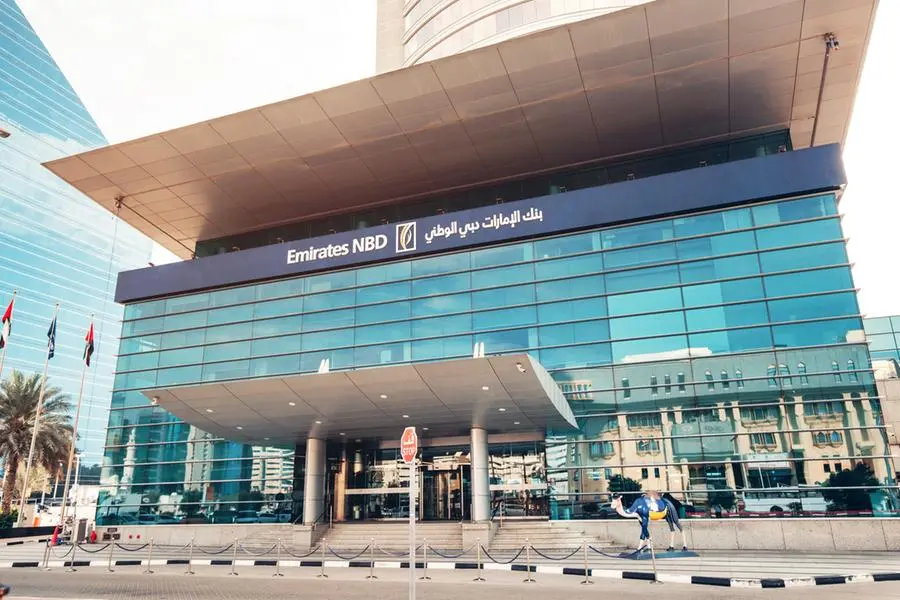
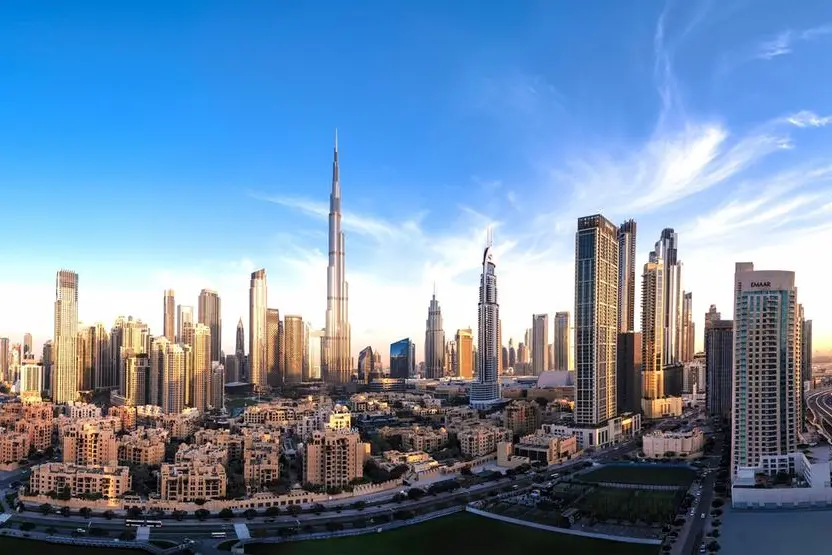
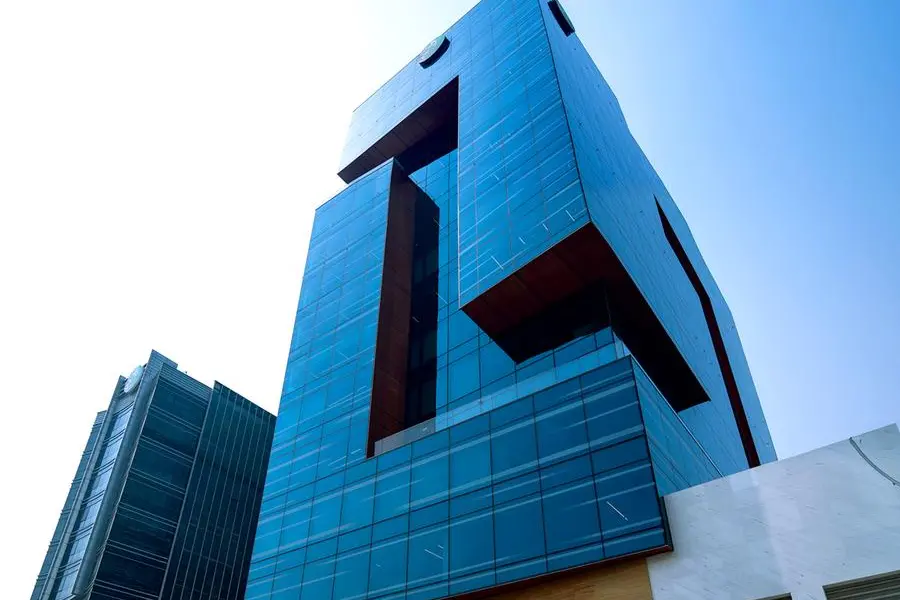
Dubai's main share index dropped 1.5%, a day after gaining more than 6%, weighed down by a 3.9% slide in blue-chip developer Emaar Properties and a 3.3% fall in top lender Emirates NBD. Budget airliner Air Arabia advanced 1.8%. In Abu Dhabi, the index fell 0.3%, with Aldar Properties down 3.2%. Although initial optimism has softened, upside potential remains intact provided geopolitical conditions stabilise further and the outlook becomes clearer, said Daniel Takieddine, co-founder and CEO, Sky Links Capital Group.
The UAE will seek clarity on the terms of the two-week U.S.-Iran ceasefire to ensure Tehran fully commits to halting regional attacks and unconditionally reopening the Strait of Hormuz, a Foreign Ministry spokesperson said on X. The Qatari index pared losses to close just 0.2% lower, with the Gulf's biggest lender Qatar National Bank falling 0.3%.
Saudi Arabia's benchmark index was unchanged. Saudi Aramco gained 0.8%. The kingdom has an edge over regional neighbours as it can reroute its oil exports. A Reuters analysis showed Saudi Arabia benefited from higher oil prices with estimated March oil revenue rising from a year earlier, while countries without alternative routes lost billions.
Brent crude futures were up $3.41, or 3.6%, at $98.16 a barrel at 1244 GMT.
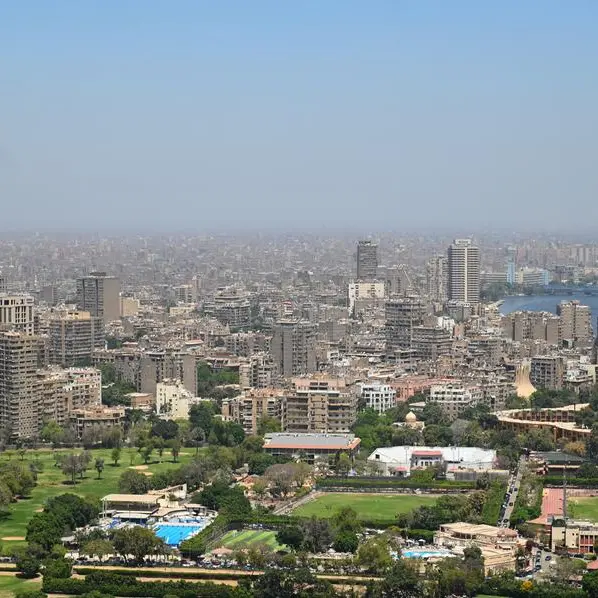
Outside the Gulf, Egypt's blue-chip index advanced 1%, led by a 1.3% rise in Commercial International Bank.
- Saudi Arabia closed flat at 11,343
- Abu Dhabi eased 0.3% to 9,836
- Dubai declined 1.5% to 5,694
- Qatar eased 0.2% to 10,642
- Egypt gained 1% to 49,079
- Bahrain added 0.3% to 1,894
- Oman down 0.9% to 8,163
- Kuwait lost 0.5% to 9,214
(Reporting by Ateeq Shariff in Bengaluru Editing by Keith Weir, Kirsten Donovan)