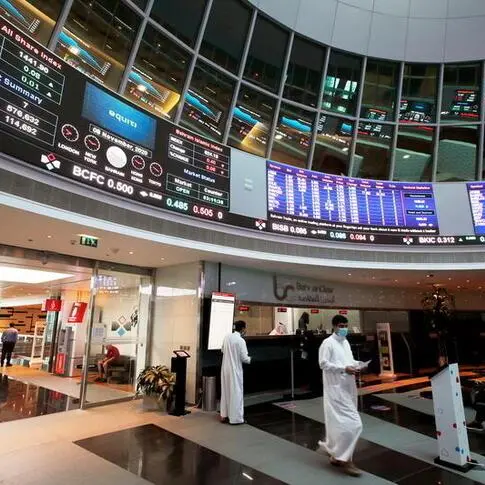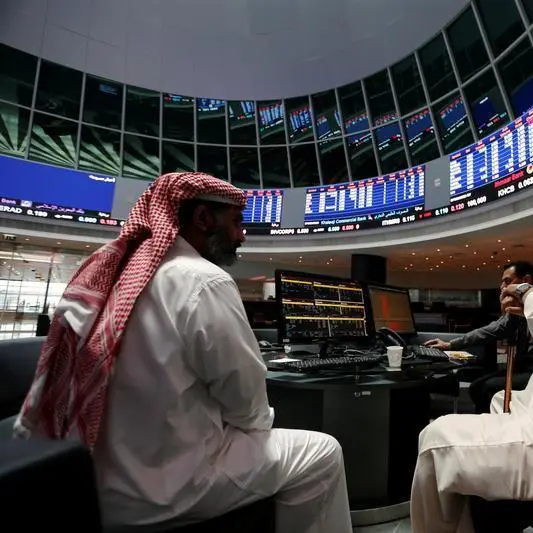
PHOTO
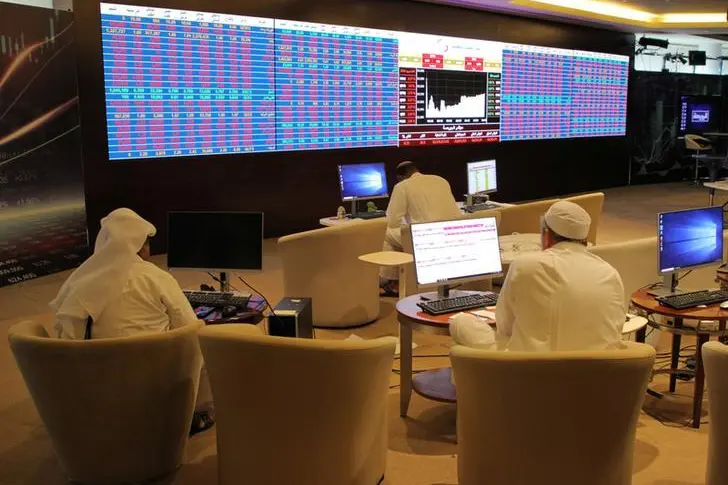
Gulf equities were mixed in early trade on Thursday, reflecting cautious sentiment but no signs of broad risk-off positioning after Israel's strike in Qatar as traders appeared to price the event as a one-off.
Israel targeted Hamas political leaders in Doha on Tuesday, widening its military action in the Middle East. However, regional investors, navigating months of geopolitical strain, appeared to view the event through a temporary tactical lens.
Qatar's benchmark index dropped 0.3%, on course to extend losses into the fourth straight session, with selling concentrated in financials as investors weighed the political developments and potential diplomatic uncertainties.
Qatar National Bank, the region's largest lender, decsended more than 1%.
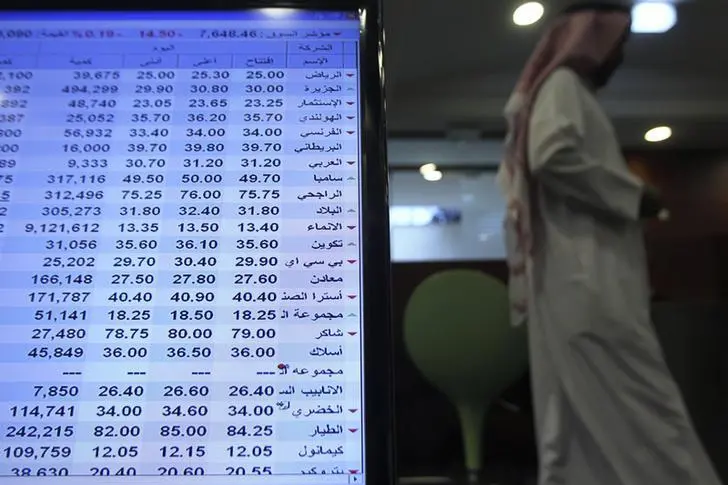
Saudi's main share index fell 0.2% in choppy trade as investors engaged in selective selling, with financials and energy sectors among the laggards amid easing oil prices driven by concerns over weaker U.S. demand and oversupply.
Index heavyweight Al Rajhi Bank lost 0.6%, while Saudi Aramco shed 0.2%.
Aramco raised $3 billion in a dual-tranche Islamic bond (sukuk) sale, as the state oil giant moves to tap debt markets to shore up its balance sheet in the face of softer oil prices.
Dubai's main index rose 0.1%, bouncing back from its steepest level in nearly two months, supported by a 0.7% gain in blue-chip real estate firm Emaar Properties.
Abu Dhabi index added 0.2%, snapping a four-day losing streak, with ADNOC Gas and Fertiglobe climbing 0.6% and 1.3% respectively.
Investors continue to keep a close watch on the U.S. Federal Reserve as a benign reading on U.S. producer prices led markets to price in a greater chance of three interest rate cuts this year.
(Reporting by Amna Mariyam in Bengaluru; Editing by Andrew Cawthorne)