PHOTO
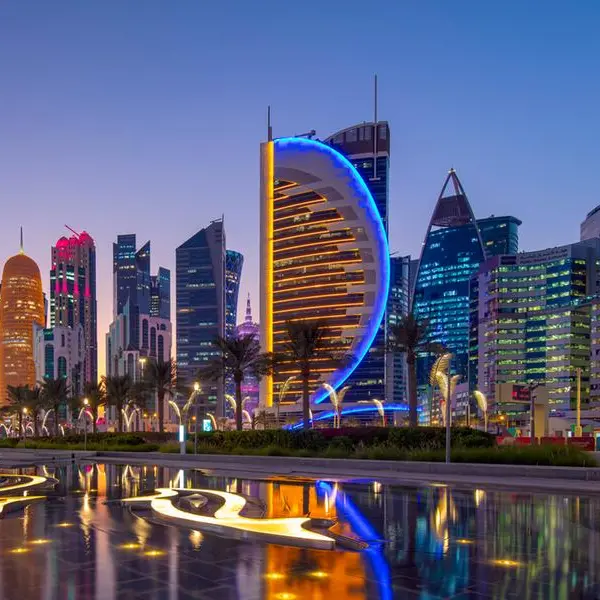
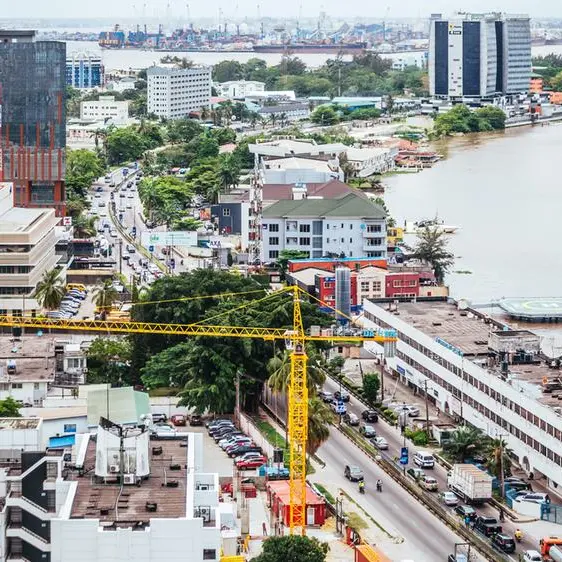
Dubai’s real estate and construction sector is booming, and companies like ALEC Holdings and potentially, the luxury developer Binghatti, are positioning themselves to capitalize on the emirate’s property surge.
The conditions couldn’t be more favourable.
Economic expansion, an influx of expatriates driven by relaxed residency rules, and a business-friendly tax regime are fueling demand across residential, commercial, and hospitality segments. These factors are creating compelling reasons for developers to raise capital.
Average residential prices in Dubai surged 84% between November 2020 and July 2025, including a 20% gain in 2024 and 16% in the first seven months of 2025. According to Moody’s, the UAE’s residential real estate market is expected to remain stable over the next 12–18 months despite the increasing supply pipeline.
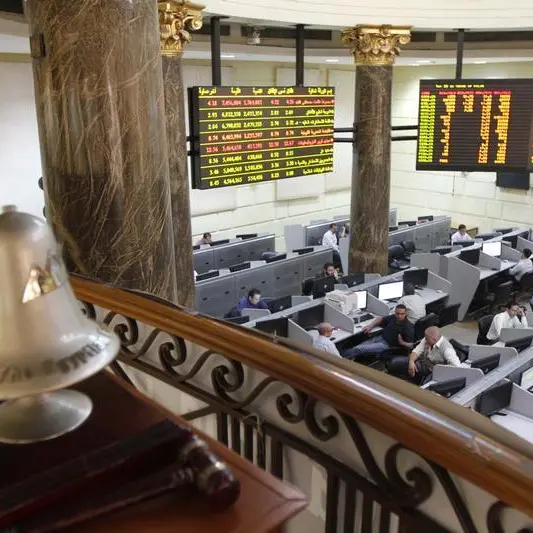
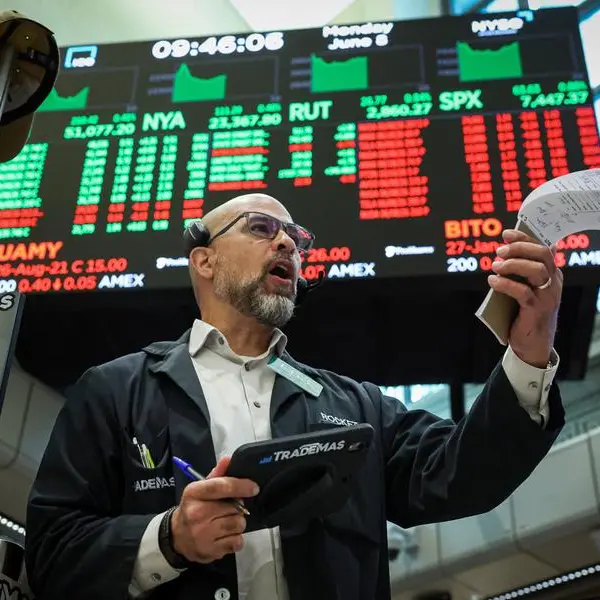
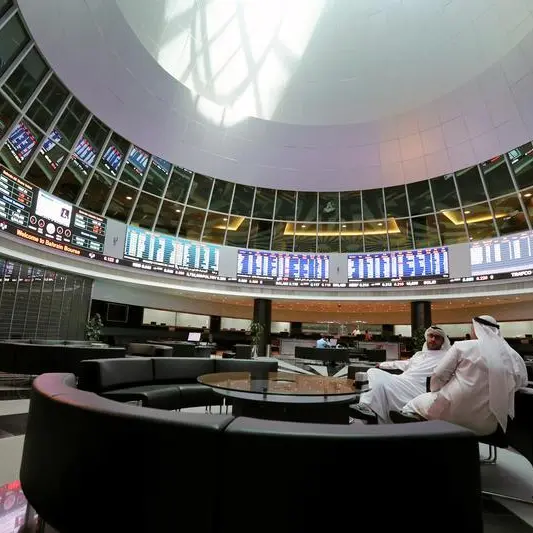
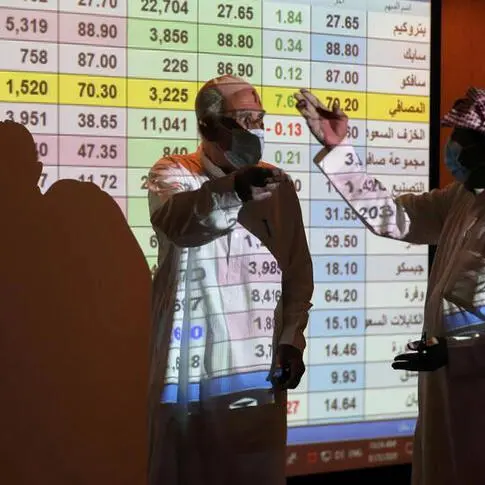
The stock market has been supportive. The DFM equity index has climbed more than 16% this year and has outperformed the S&P 500 index. Real estate stocks, which comprise over 50% of total market capitalization, rose 12%.
Dubai-based construction group ALEC Holdings is set to list 20% of its shares on the DFM, aiming to raise $400 million through its IPO. It has a project backlog of $35.4 billion, of which 87% are based in the UAE, while the remaining 13% are in the Kingdom of Saudi Arabia.
“ALEC’s pitch to investors is a hybrid: near-term dividends with line-of-sight cash flows plus multi-year growth anchored by mega-projects,” Vijay Valecha, chief investment officer at Century Financial, said.
The company has provided explicit dividend guidance: 200 million dirhams ($54.4 million for FY2025 (payable April 2026) and AED 500 million for FY2026 (payable October 2026 and April 2027).
From 2027 onward, ALEC targets a minimum dividend payout of 50% of its net profit on a semi-annual basis, subject to reserves and board approval.
“This provides income-seeking investors with concrete visibility,” Valecha added.
On the growth front, ALEC reported a contract backlog of AED 27.5 billion as of December 31, 2024, more than triple the level at the end of 2022. Approximately 79% of the backlog as of June 30, 2025, was awarded in the last two years, reflecting a strong recent win rate across the UAE and Saudi Arabia.
“For growth-plus-income mandates, this blend of policy-backed dividends and secured workload is attractive,” Valecha noted.
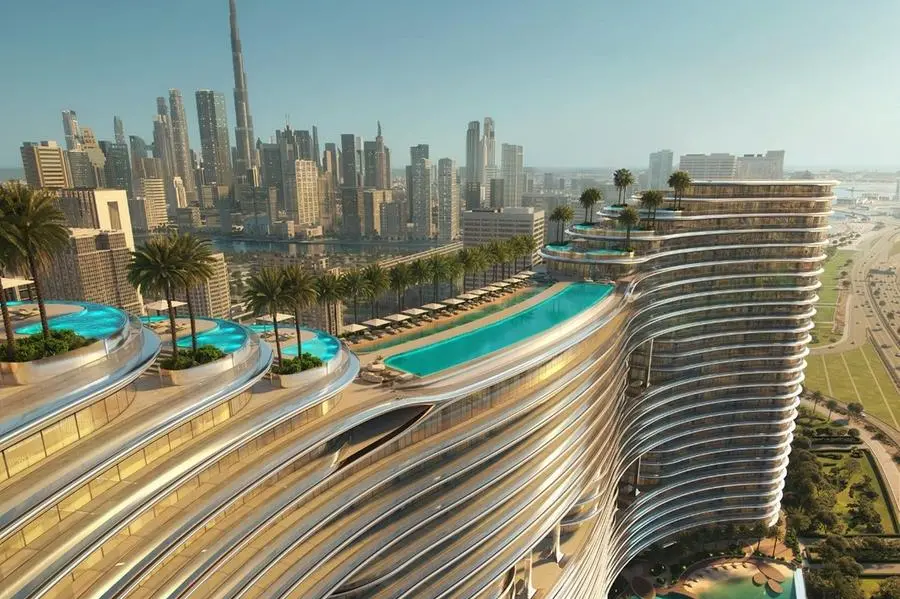
Binghatti’s equity story skews toward growth. It posted a 172% year-on-year (YoY) jump in net profit to AED 1.82 billion, while revenue surged 189% to AED 6.3 billion. Total sales rose 60% y-o-y to AED 8.8 billion. Its pipeline includes marquee luxury schemes—including Burj Binghatti in Dubai, one of the world’s tallest residential towers aimed at capturing sustained demand from high-net-worth individuals.
Binghatti’s growth-focused equity story is backed by strong financials. Its profit surged 172% YoY to AED 1.82 billion, revenue jumped 189% to AED 6.3 billion, and total sales climbed 60% to AED 8.8 billion. Its pipeline includes luxury projects like Burj Binghatti in Dubai, one of the world’s tallest residential towers, targeting high-net-worth buyers.
Investor interest
Investor interest in the upcoming IPOs of ALEC Holdings and potentially, of Binghatti, is expected to be strong, according to Valecha. This optimism is underpinned by the buoyant fundamentals of Dubai’s real estate market and the compelling equity stories of both companies.
Historically, even in oversubscribed regional IPOs, a wave of early selling is common once retail allocations hit the market.
“The extent of such activity will depend on final pricing. If valuations are viewed as aggressive, even some institutional investors may trim positions... However, the underlying growth pipelines, visible cash flow potential, and long-term dividend prospects of both ALEC and Binghatti provide anchors for institutional support,” he added.
Despite favourable conditions, UAE developers have not dominated the IPO market. ALEC and potentially Binghatti would be the first in a while, with Five Holdings also planning an offering later this year.
One major reason is the inherent risk and volatility of the real estate sector. It’s cyclical by nature, and developers face exposure to oversupply, demand fluctuations, rising interest rates, and geopolitical shocks.
Another key trade-off developers must weigh is whether to raise debt or equity. For instance, Binghatti raised $500 million in a sukuk offering in July 2025.
Borrowing via sukuk and other debt instruments exposes companies to interest rate and refinancing risks. Equity capital avoids fixed repayments, offering greater financial flexibility and improving debt-to-equity ratios.
However, IPOs come with upfront costs including regulatory filings, underwriting, and disclosures, along with ongoing obligations such as investor relations and corporate governance, which smaller companies may not wish to undertake.
(Reporting by Brinda Darasha; editing by Seban Scaria)