RIYADH: The Royal Commission for Jubail and Yanbu (RCJY) launched yesterday a work program by signing four deals with its partners related to the development of Ras Al-Khair Industrial City (RKIC).
RCJY signed the deals with Saline Water Conversion Corporation (SWCC), Saudi Arabian Mining Company (Maaden), Power and Water Utility Company for Jubail and Yanbu (MARAFI and Saudi Ports Authority (SPA).
According to the deals, RCJY will receive a number of locations and fully undertake the development and management of the new industrial city, provision of basic services, and maintenance and operation of utilities there.
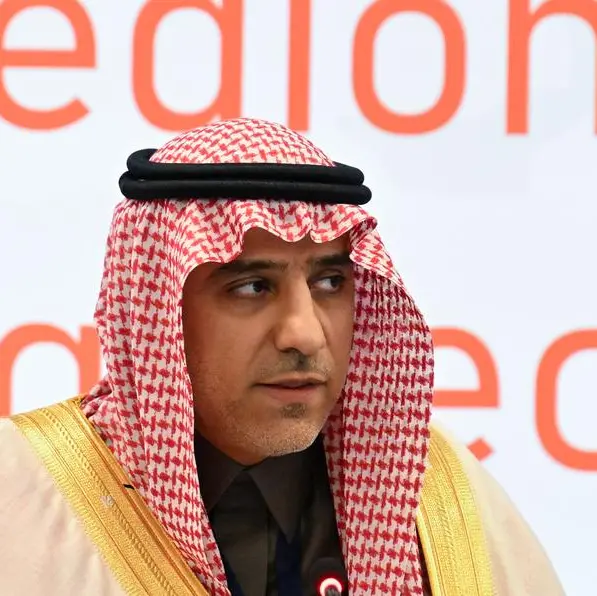
The four deals were signed by RCJY Chairman Prince Saud bin Abdullah Al-Thunayan, Minister of Water and Electricity Abdullah Al-Hussayen, CEO of Maaden Khalid Al-Madifer, CEO of Marafiq Thamir Al-Sharhan, and SPA President Abdulaziz Al-Tuwaijri.
According to the deal signed with the SWCC, RCJY will receive a plot of 18-sq-km land, which represents an unused area for RKIC water and power stations. The deal determines passages of water, power and gas lines.
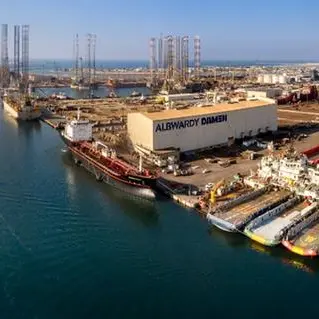
The deal signed with the SPA says it will undertake the preparation, management, operation and maintenance of RKIC port plus provision of all services within a unified plan agreed upon by both parties including rental of lands with parties determined by RCJY.
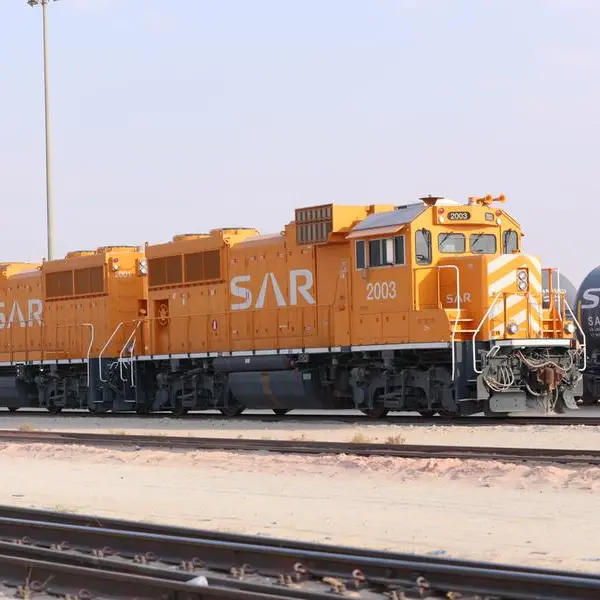
The deal with Maaden stipulates that Maaden will hand over an industrial land to RCJY, nearly 70 square kilometers, together with all key assets. Responsibilities of both sides will also be clearly determined plus commitment to railways and land exploitation agreements.
According to the deal signed with Marafiq, it will provide water services in RKIC similar to what it is doing in Jubail and Yanbu industrial cities. Marafiq will also undertake provision of operation, maintenance services for water utility and other related services.
Commenting on the occasion, the RCJY chairman said the government of Custodian of the Two Holy Mosques King Abdullah has given special care to petrochemical and mining industries through creation of suitable atmosphere and facilities for local and foreign investors, which, in turn, led to the establishment of mega industrial complexes.
© Arab News 2012