28 June 2011
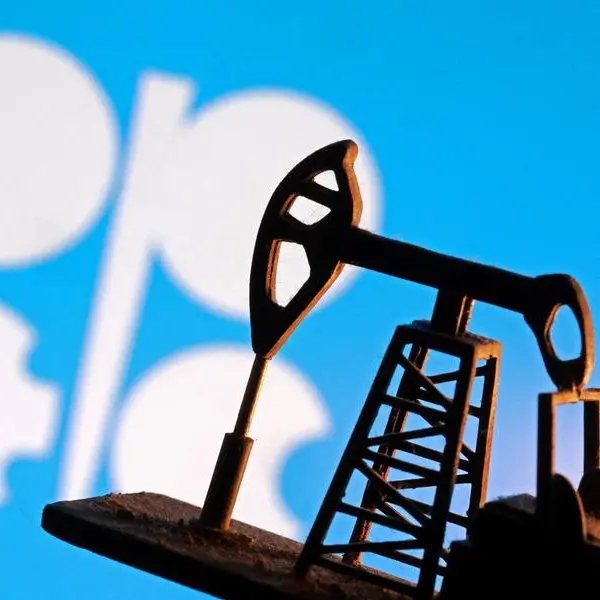
WASHINGTON: The United States is seeing a natural gas boom thanks to discoveries of abundant shale gas, but also a groundswell of opposition from critics who say the environmental risks from drilling are too great.
At the heart of the issue is a drilling technique known as hydraulic fracturing, or “fracking,” of underground rock formations by injecting chemicals and water to release trapped gas.
The natural gas reserves could supply U.S. needs for 110 years, thanks in part to advances in horizontal drilling, according to the U.S. Energy Information Administration.
But much of the gas is in areas unaccustomed to drilling, including towns in Pennsylvania and around the Dallas metropolitan area in Texas.
Chris Tucker, spokesman for the industry funded group Energy In Depth, said that the Marcellus Shale alone, spread over a wide area of the eastern United States, could produce the energy equivalent of 87 billion barrels of oil.
And since the gas is close to population centers where energy demands are greatest, Tucker said, “you can produce it in the morning and have it in New York City by lunchtime.”
Critics however say the industry has moved too fast with little regulation, and cite concerns about spills, leaks and contamination from chemicals used in the process. Similar debates are ongoing in Canada, France and other countries.
“No one really knows what the health impacts are from living near oil and gas exploration and production sites,” said Amy Mall of the Natural Resources Defense Council.
“Families from California to Pennsylvania, Texas to Wyoming, and in between, report very serious health symptoms that they believe are related to exposure to contaminants in their water, air or both … we need a suite of new rules.”
Vera Scroggins, a member of Citizens for Clean Water in northeast Pennsylvania, said residents began to organize against fracking in 2009.
“I and others started to see problems with contamination in waters,” she said. “We saw air pollution, noise, habitat disruption, soil disruption.” Because of the money paid by drillers to residents, she said, “most of the population is still starry-eyed about it.”
The Oscar-nominated documentary “Gasland,” which showed images of a kitchen faucet set ablaze due to methane in water, has galvanized opponents.
The industry argues there are misconceptions about fracking, and say the technique itself has been used in conventional wells for decades.
“Science is on our side,” Tucker said. “The fracturing process has no relation whatsoever to the contamination of water.”
Tucker said that private wells in gas-producing areas will have naturally occurring methane because the water is in a coal seam.
“When you dig into a coal seam you get methane,” he said. “But the methane separates from the faucet water. You don’t drink it.”
A Duke University study in May prompted claims of vindication on both sides of the debate.
The study found methane in 85 percent of the samples, but levels were 17 times higher at sites within a kilometer of active fracking operations.
However, researchers found no evidence of contamination from chemicals used to fracture the rock or from “produced” water – the wastewater from the wells after the shale has been fractured.
Copyright The Daily Star 2011.