PHOTO
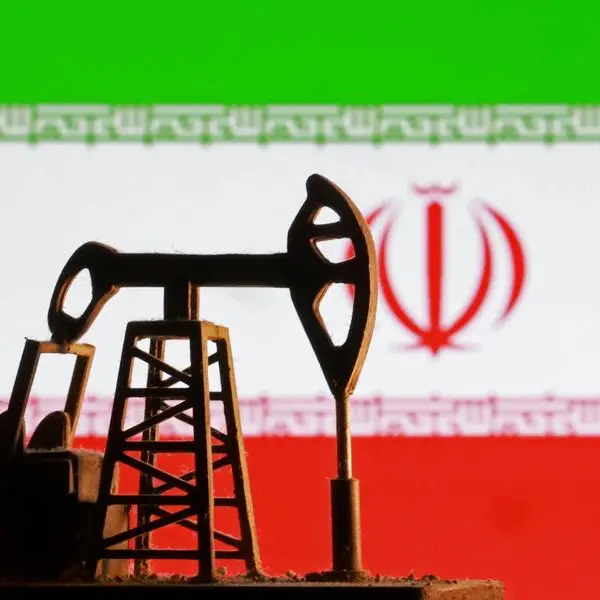
Gulf oil production, sharply curtailed by the Iran conflict, is likely to mostly recover within a few months after the Strait of Hormuz fully reopens, but could take significantly longer, Goldman Sachs said on Thursday.
The bank estimated about 14.5 million barrels per day of Gulf crude output – around 57% of pre-war supply – was offline in April, largely due to precautionary shutdowns and stock management rather than physical damage to oilfields.
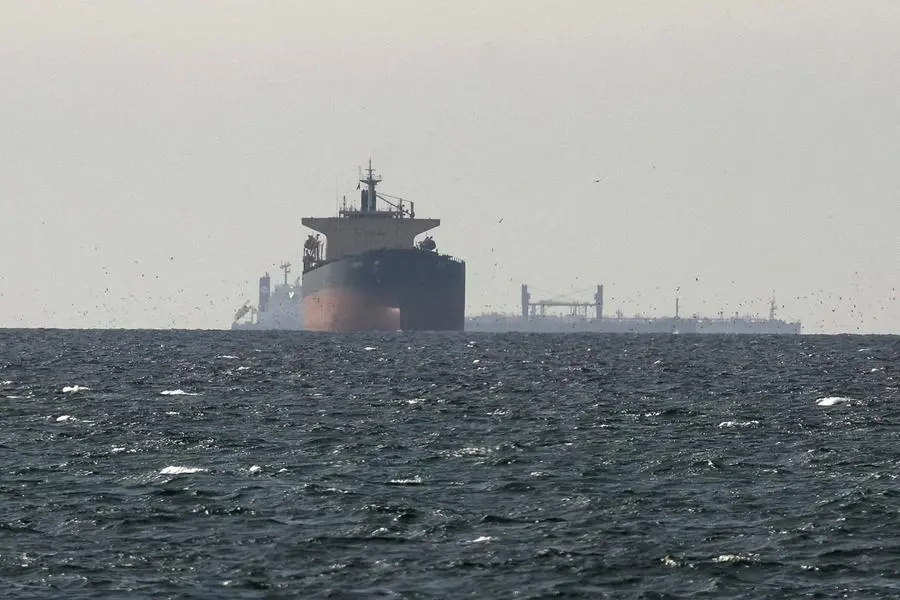
The Strait of Hormuz handles about a fifth of global oil flows under normal conditions, so prolonged disruption has significant implications for global energy markets.
Goldman said in a research note that a safe and sustained reopening of the strait in the absence of renewed attacks on oil infrastructure would allow production to return relatively quickly, supported by spare capacity in Saudi Arabia and the United Arab Emirates.
However, any recovery will be constrained by logistics and well performance. Available empty tanker capacity in the Gulf has dropped by about 130 million barrels, or 50%, limiting how quickly producers can move oil once exports resume, the bank said.
Prolonged well shut-ins also risk reducing flow rates, particularly in lower-pressure reservoirs, requiring workovers before output can be fully restored. The longer production remains curtailed, the slower the recovery is likely to be, Goldman said.
Recovery prospects vary across countries, with Iran and Iraq facing greater risks due to reservoir characteristics, infrastructure challenges and sanctions, while Saudi Arabia could ramp up output faster, the bank said.
An average of forecasts from external agencies suggests Gulf producers could recover about 70% of lost output within three months and around 88% within six months, Goldman said, while cautioning that a prolonged closure raises the risk of lasting damage to supply. (Reporting by Anmol Choubey in Bengaluru: Editing by Neil Fullick)