PHOTO
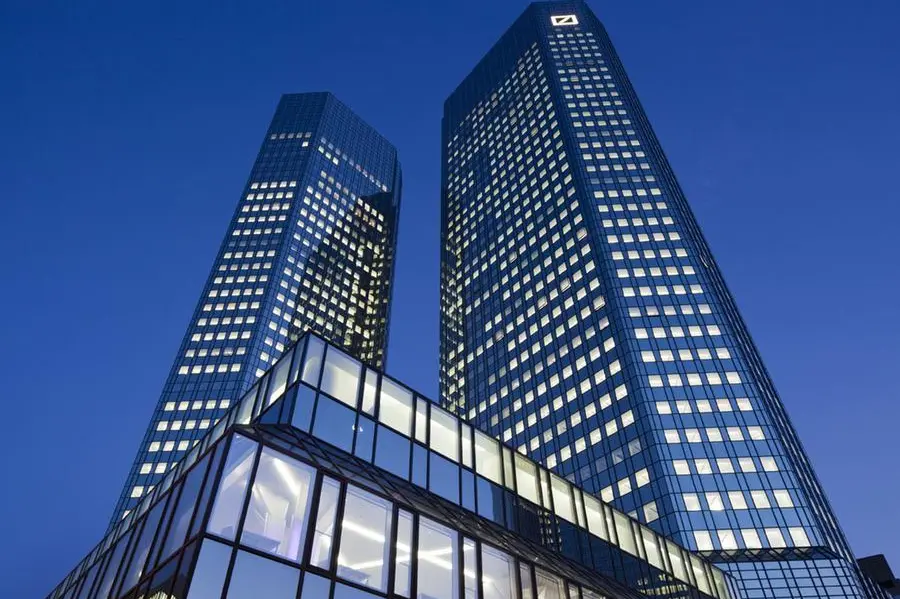
Deutsche Bank, which caters to its clients in Central and Eastern Europe, the Middle East and Africa (CEEMEA) from Dubai, is actively expanding its Investment Banking division, particularly on the back of sovereign, capital and corporate debt deals. By focusing on areas where the bank already holds an edge, it seeks to capitalise on the momentum in the Middle East’s capital markets.
“We are expanding the team and increasing coverage. MENA is a key market for our franchise. While we have more people in corporate banking in the UAE, we are also active in Saudi Arabia and Qatar, which allows us to cover more clients and expand our portfolio,” Abdeslam Alaoui, Managing Director and Head of CEEMEA Capital Markets at Deutsche Bank, told Zawya.
A surge in issuances across the MENA region began after the reopening of the issuance window on August 25, but activity has since slowed over the past three weeks due to the IMF meetings and caution ahead of the upcoming Fed decision on Wednesday. Transactions are expected to pick up again next week as market participants gain clarity.
“You may not see us participating in all transactions, as we do not cover the full client universe. We focus on key clients holistically and we help them strategically across the products,” Alaoui added. “That said, we continue to expand our capital markets coverage across the MENA region, consistently adding new clients to our franchise. Most recently, we executed key transactions for new clients in the real estate and banking sectors in the GCC and have more in the pipeline.”
Bond issuance in MENA has totalled $125.9 billion year-to-date (YTD), marking a 20% increase compared to the same period last year. Issuance volume jumped 27%, the highest nine-month tally on record, according to data from the London Stock Exchange Group (LSEG).
Saudi Arabia was the most active issuing country during the first nine months of 2025, accounting for 54% of total bond proceeds, followed by the UAE (26%), and Qatar (9%).
The number of capital markets transactions executed by Deutsche Bank in MENA this year has increased by 30% in deal volume compared to the same period in 2024 YTD.
Highlighting the different trends reigning in the debt market, including banks being in the forefront of issuances and increasing numbers of non-US dollar and sukuk issuances, Alaoui noted that issuers are becoming opportunistic about the market conditions but trying to diversify their funding at the same time. Many issuers are returning to currencies and formats they may not have followed for a long time.
Bonds beyond borders
“We are seeing a variety of issuances, including inaugural euro, Swiss franc, sterling and ESG-labelled bonds.” Alaoui said, “A lot of financial institutions issue in alternative currencies such as CNH, CNY and the HK dollar in private placement format.”
“There is real diversification among MENA-based issuers such as QNB, FAB and ADCB, for instance […] they are active in non-US dollar private placements. They use the programme platform to issue private placements,” he added.
Deutsche Bank acted as a joint lead manager for the Republic of Türkiye’s latest international bond: a $2-billion, 10-year, SEC-registered benchmark. The transaction marked Türkiye’s lowest spread achieved by the Republic in 2025, underscoring strong investor confidence and market momentum.
Deutsche Bank has been building on its success with sovereign issuances, executing deals for Angola, Hungary, Israel, Latvia, Lithuania, Morocco, Qatar, and Slovenia, among others.
The bank was also involved in the recent Mubadala $750 million bond issuance, which had the tightest spread ever achieved by Mubadala, highlighting strong investor appetite for this credit.
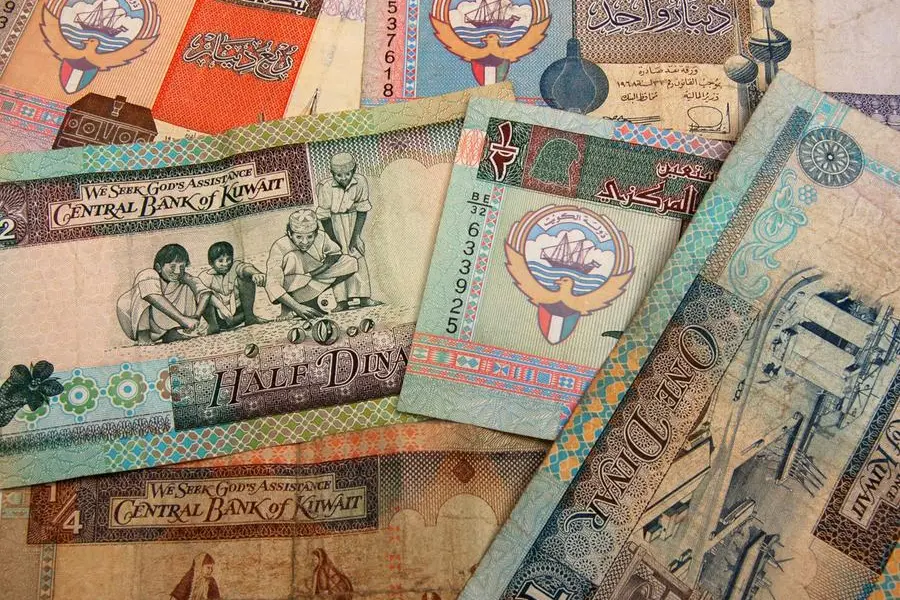
In the GCC sovereign space, Saudi Arabia tapped the market twice this year, raising $19.5 billion. In September, Kuwait raised a collective $11.25 billion from its first dollar bond sale in eight years. In Q4, Abu Dhabi, Sharjah, Bahrain, and sovereign entity PIF also accessed the market.
“Deutsche Bank is positioned as a strong player in the financial and corporate sectors as well, leading transactions for Qatar National Bank, Ahli Bank Qatar, Doha Bank, ANB, Turk Eximbank, DP World, Sobha Realty, and OCP, among others,” Alaoui said.
“If market conditions remain strong, I wouldn’t be surprised if issuers continue to pre-fund and tap the market in the next few weeks,” he added.
(Reporting by Seban Scaria; editing by Daniel Luiz)