PHOTO
Despite a challenging business environment, the Middle East continues to be the most attractive market for construction companies not yet present in the region, according to an industry survey report scheduled to be released at The Big 5 event in Dubai on Monday.
The Voice of the Construction Industry Report, which surveyed close to 6,000 senior construction professionals in 136 different countries, said the Gulf Cooperation Council (GCC) and the wider Middle East represented the most attractive markets for respondents from Asia, Europe and the GCC states.
“When considering where their businesses may look for opportunities further in the future, and based on where they are not working currently, the GCC and the wider Middle East were the standout opportunities recognised by respondents not already active in those regions,” said Josine Heijmans, Vice President Construction at dmg events, in an email interview ahead of the formal release of the report.
Of the GCC countries, she said respondents felt that most opportunities were to be found in the United Arab Emirates (56 percent) followed by Saudi Arabia (44.4 percent).
“Some 36 percent of respondents said they would enter the UAE within the next 12 months, while Egypt is the market where most companies plan to enter in the next three years,” said Heijmans, adding that ‘economic growth’ was identified as the top factor generating opportunities.
International research firm GRS Research & Strategy Middle East conducted the survey during July and August period using computer-assisted web interviewing tools. Respondents included C-level executives, senior and medium-level management and business owners representing the spectrum of construction industry, from manufacturers and distributors to contractors, engineers, architects and consultants.
Optimistic about the future
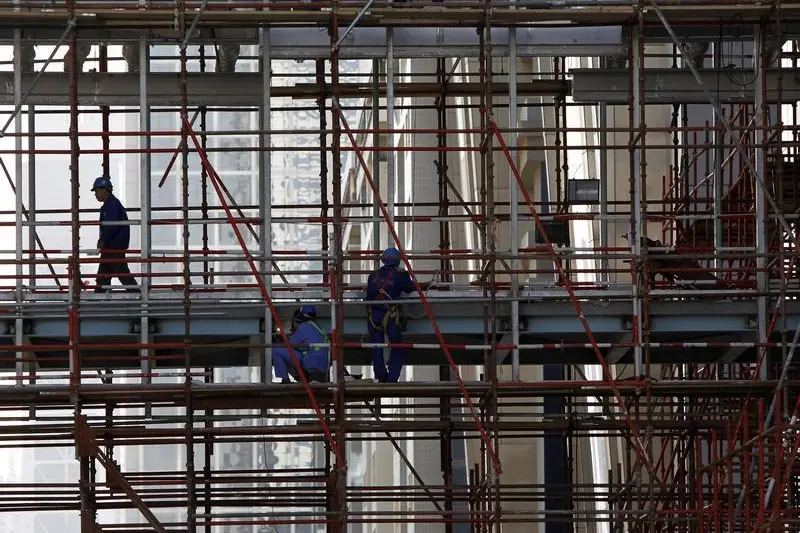
The Gulf construction sector is going through a slump period as project activity has fallen over the last few years on account of cutbacks in capital spending by government and private companies triggered by low oil prices.
However, majority of respondents (56.5 percent) also claimed to be satisfied with the performance of their companies as reflected in the report’s Confidence Index.
The UAE had the highest percentage of companies given 5 out of 5 (26.8 percent of the total) by respondents asked: “How satisfied are you with the current performance of your company?”, with the country ranked number one by average score.
Looking to the future, Heijmans said more than half of the respondents are expecting to see an increase in their company’s turnover this year, compared to 12 months ago.
“Close to 60 percent of contractors expect a turnover increase in 2019 compared to 2018, showing optimism for the future,” she said.
However, contractors continue to face a challenging business environment in the region as fewer new project opportunities is forcing them to quote lower tender prices and work with thin margins, creating cash flow issues.
When results are examined by type of business, the survey found contractors and service providers to be the least satisfied with the current performance of their companies.
“If we are looking at the UAE, in particular, the top three challenges according to respondents are strong competition, cost-driven decision making and finding new projects,” she said.
However, manufacturers and technology providers were found to be the most satisfied in the survey, with over 61 percent of respondents answering with a rating of 4 or 5.
Top trends
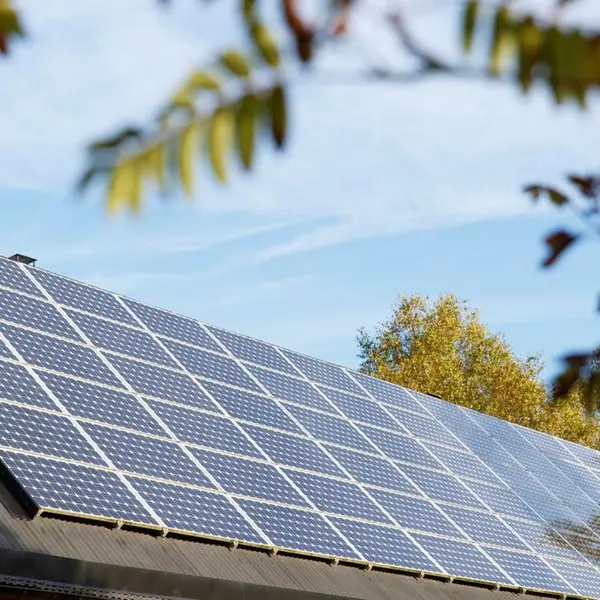
In terms of future trends that are expected to impact the construction industry, majority of the respondents cited prefabrication and modular construction, energy efficiency, and sustainability as the top three trends.
“In particular, 36.8 percent of the respondents identified prefab and modular construction as a key trend, followed by energy efficiency (36.6 percent), sustainability (34.2 percent), and renewable energy (32.2 percent),” said Heijmans.
She pointed out that the impact of technology on the sector is growing, the survey results showed, with the change clustering around the related areas of advanced software, Building Information Modelling (BIM) and digitalisation.
“Add in IoT and smart technology, plus some 3D printing and you complete the top five technologies having an impact on the construction sector, according to our respondents,” she said.
The results further suggested that the biggest impact of these technologies was being felt by service providers and real estate developers while contractors were acutely alert to the impact of advanced software.
Heijmans said the launch edition of the HVAC-R Pioneers Summit at The Big 5 on Tuesday would provide a platform to shed light on the latest heating, ventilation and air conditioning technologies available to reduce energy consumption and improve air quality. Other elements of the four-day event include Futuretech Construction Summit, RTA Innovation in BIM Summit, Autodesk Construction Technology Forum, and Big 5 Talks.
(Reporting by Syed Ameen Kader; editing by Anoop Menon)
Our Standards: The Thomson Reuters Trust Principles
Disclaimer: This article is provided for informational purposes only. The content does not provide tax, legal or investment advice or opinion regarding the suitability, value or profitability of any particular security, portfolio or investment strategy. Read our full disclaimer policy here.
© ZAWYA 2019