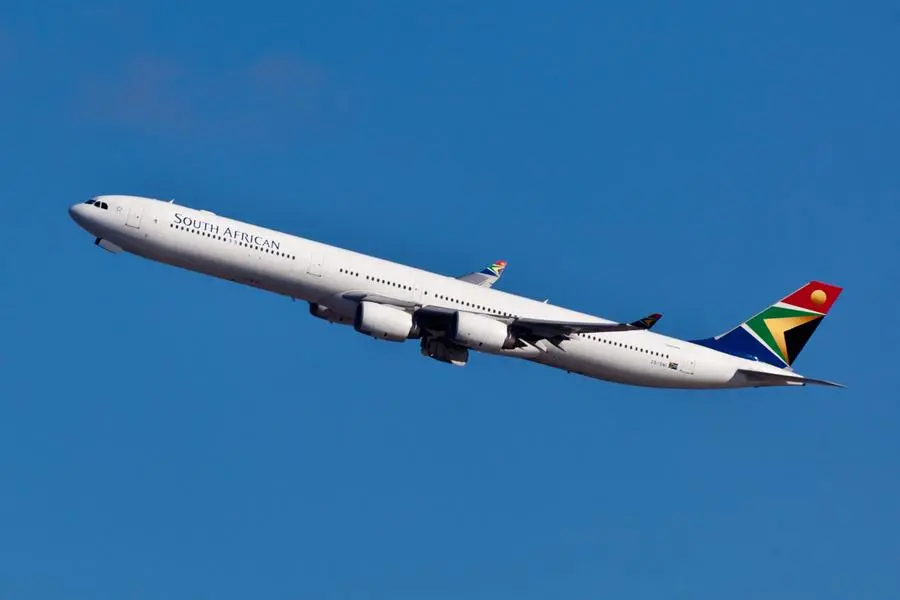
PHOTO
The story of Africa’s air transport sector remains one of the great paradoxes of our time. A continent that hosts 18 percent of the world’s population accounts for barely 3 percent of global air passenger traffic.
Even more telling, three quarters of international passenger traffic into Africa is carried not by African airlines but by foreign carriers. This imbalance is not simply a market curiosity but a sign of deeper structural challenges.
Air transport is anything but a luxury. It is a lifeline for landlocked nations, a catalyst for tourism, a conduit for trade, and a bridge across a geography where road, rail, and marine infrastructure are often fragmented or underdeveloped. In short, aviation is a strategic enabler of integration and growth.
Yet African carriers continue to limp from year to year with margins so thin they barely amount to commercial viability. The latest financial outlook from the International Air Transport Association (Iata) underscores this reality.
It projects that African carriers will earn only $0.2 billion in profit in 2025 and 2026. This translates into net margins of 1.1 percent in 2025 and 1.0 percent in 2026—the lowest of any region worldwide.
Profit per passenger tells an even starker story: $1.40 in 2025 and $1.30 in 2026, compared with a global average of $7.90. African airlines are carrying more passengers, yet earning far too little from each seat.
This weakness is particularly troubling because underlying demand is robust. Passenger traffic is expected to grow by 6 percent in 2026, well above the global forecast of 4.4 percent. But capacity growth lags at 5.7 percent, constrained by older fleets, high financing costs, and limited liquidity. Africa is participating in the global aviation recovery, but without the financial stamina needed to sustain long-term growth.
The causes are structural. Africa has the highest operating costs of any aviation market globally, with cost per available tonne-kilometre nearly double the global average.
Fuel—already a major cost everywhere—is up to 20 percent more expensive in Africa due to taxes, storage fees, weak supply competition, and logistical inefficiencies. Ageing aircraft consume more fuel and require more maintenance, further inflating operating costs.
Taxes and charges, averaging 28 percent, compound the problem. These levies push ticket prices beyond the reach of ordinary travellers and erode airline margins.
Rising labour costs, airport fees, and the growing expense of sustainable aviation fuel add new pressures. Supply chain delays slow fleet renewal, leaving African airlines with some of the oldest aircraft in the global industry even as competitors modernise. Without deliberate action, they remain exposed to every shock — from fuel volatility to geopolitical disruption.
A reset is essential. Unless there is a decisive review of aviation taxes, charges, and the broader cost of doing business, Africa’s airlines will remain trapped in a cycle of underperformance. Governments must reassess aviation taxes, and liberalise market access to unlock meaningful economies of scale.
Accelerating open skies policy, modernising fleets through targeted incentives, and abandoning restrictive bilaterals would all reduce operating costs and stimulate traffic.
Only then can African airlines transition from survival mode to sustainable profitability—and provide the connectivity on which the continent’s future depends.
© Copyright 2022 Nation Media Group. All Rights Reserved. Provided by SyndiGate Media Inc. (Syndigate.info).