PHOTO
Iraq does not need to look further than its borders to replace Iranian gas supplies needed to fuel its power facilities as it has sufficient gas under its ground.
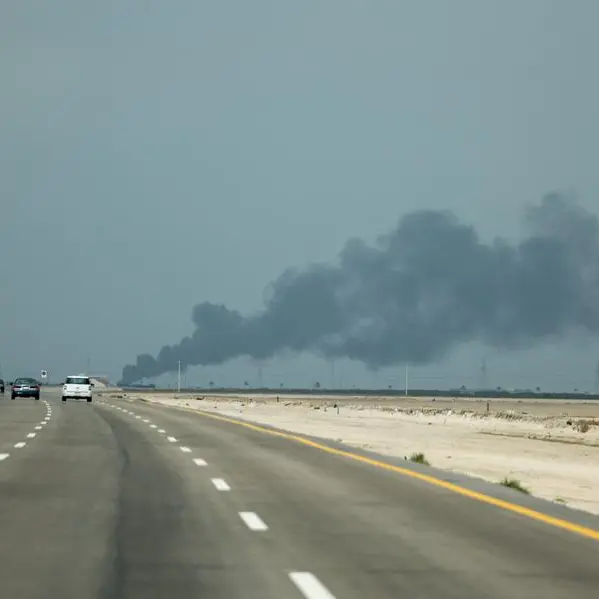
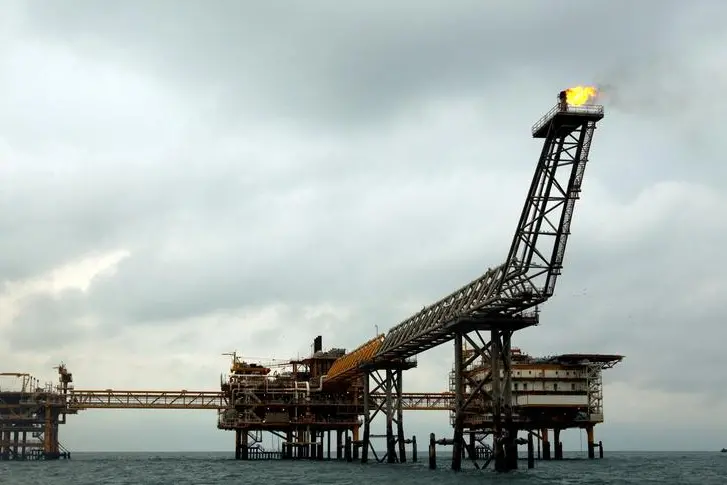
OPEC’s second largest oil producer is already pumping enough gas from its oilfields, but nearly 40 percent of it is being burned given the costly process of separating it from oil.
In 2024, Iraq produced nearly 3.1 billion cubic feet of gas, of which almost 1.3 billion was flared and the rest was sent to power facilities and gas-based industrial projects, according to the Energy Ministry.
Energy analysts believe that gas production could be sharply increased to meet domestic demand but this requires Iraq to largely increase its oil production.
“Iraq could be self-sufficient in gas if it increases oil production by around one million barrels per day and manages to slash the gas flaring rate,” said Nabil Al-Marsoumi, an energy and economics professor at Basra University in South Iraq.
But Marsoumi noted that while it is possible to reduce flaring, Iraq faces curbs on any crude output increase by OPEC and its partners.
Iraq currently has a sustainable oil output capacity of just below five million bpd and it aims to boost it to over six million barrels per day (bpd) although its OPEC Plus quota is now 4.2 million bpd.
“Iraq aims to expand sustainable oil capacity in the next few years in the hope its quota will be higher…this of course will allow it to increase associated gas production,” said Abbas Al-Shatri, an energy expert and member of Iraq’s economists network.
Iraq’s Prime Minister Mohammed Al-Sudani said this year progress has been made in reducing gas flaring and that the rate could be cut to zero within three years thanks to projects undertaken by France’s TotalEnergies, British Petroleum and Chinese firms.
To offset a sharp fall in Iranian gas supplies over the past months, Iraq has looked as far as Turkmenistan but the deal is facing hurdles.
They include the difficulty to find a company to guarantee the continued flow of gas to Iraq and the fact that supplies have to pass through Iran, which is under US sanctions.
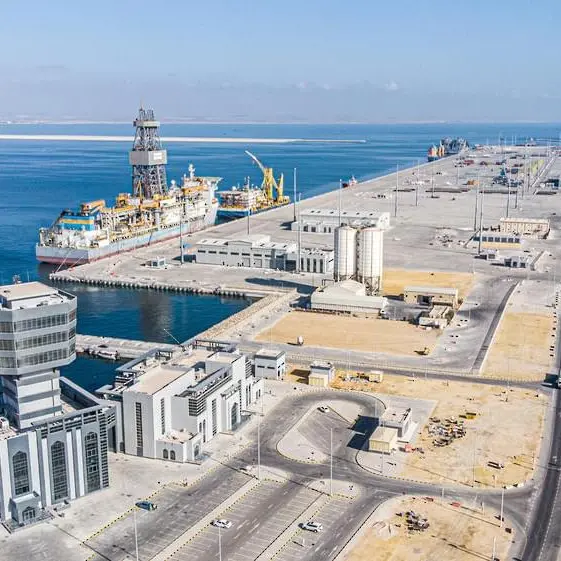
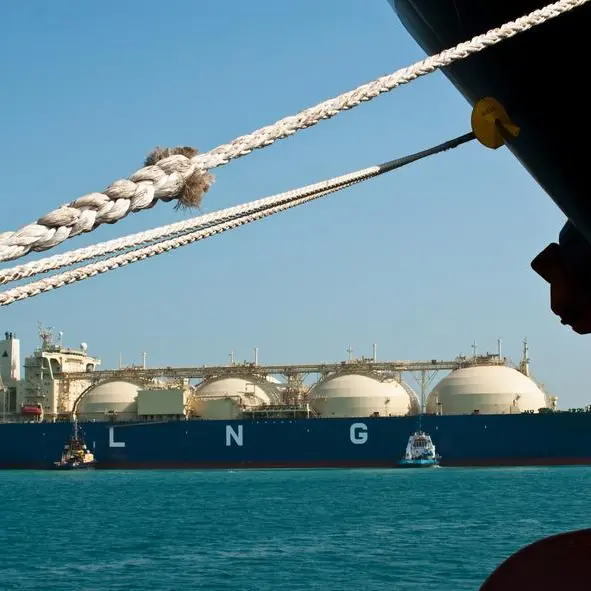
Iraq is also considering importing liquefied natural gas (LNG) from Qatar and Oman but this requires the purchase and installation of floating storage and regasification units (FSRUs) to store LNG and convert it back into a gaseous state.
“This is a thorny issue right now because the infrastructure at Khor Zubair port in South Iraq is not ready yet to receive LNG vessels,” Marsoumi said.
“Iraq has also not constructed a pipeline network to carry gas from the sea to power facilities…installation of FSRUs also requires long technical and contractual time.”
Lower Iranian gas supplies and other factors have created a large power supply gap in Iraq although it imports electricity from nearby Turkey, Jordan through interconnections and from the GCC Grid through Kuwait.
The planning ministry last year estimated Iraq’s power generation capacity at 23-25 gigawatts (GW) but actual needs exceed 35 GW and could climb to 50 GW during summer.
(Reporting by Nadim Kawach; Editing by Anoop Menon)
Subscribe to our Projects' PULSE newsletter that brings you trustworthy news, updates and insights on project activities, developments, and partnerships across sectors in the Middle East and Africa.