PHOTO
OPEC producer Iraq is increasingly resorting to public-private sector partnerships (PPPs) to build new residential cities for its citizens and ease the burden on its coffers, the head of the country’s contractors’ federation said.
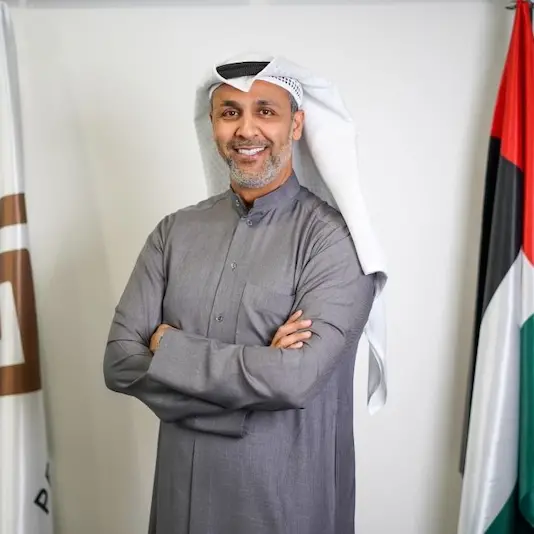
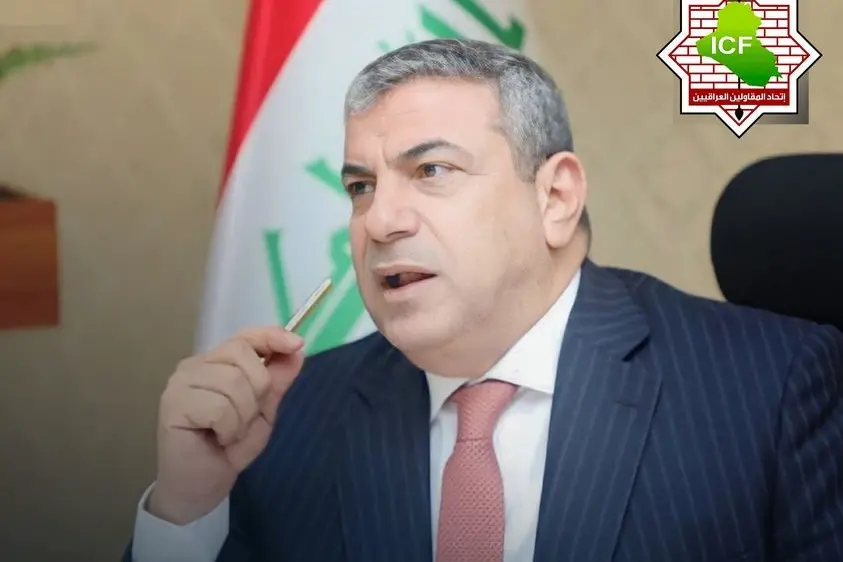
Ali Al-Sanafi, President, Iraqi Contractors Federation (ICF) told Zawya Projects that Iraq needs such types of PPP contracts to attain its target of constructing 60 new cities that were announced by Prime Minister Mohammed Al-Sudani last month.
He said funding options also include the issuing of government bonds, budget allocations and borrowing from the local and foreign markets.
“Several PPP contracts have been awarded over the past two years…I expect a full activation of partnerships with the private sector to undertake such large projects… and I believe there will be more awards,” Sanafi said in an interview.
Egyptian developers ORA and TMG Holding have signed partnership agreements with the Iraqi government to develop mega townships near capital Baghdad.
The ICF head disclosed that the government owes large funds to the local contractors, adding that these arrears have accumulated over the past years due to the government’s failure to pay contractors on time.
“These arrears are within the government’s domestic debt which has largely increased in the past few years due to unstable oil earnings,” he said.
“The main reason for the payment delays is bureaucratic red tape and the fact that a large part of the state budget is drained by salaries and other types of current expenditure.”
Sanafi said the government intends to issue bonds worth around five trillion Iraqi dinars ($3.8 billion) to pay part of the contractors’ arrears.
“Iraq needs to build at least 3 million houses to partly resolve the housing crisis caused by the absence of major housing projects over the past years, a rapid population growth and the lack of vertical building projects….hundreds of developers are willing to undertake such projects,” he said.
Mudher Mohammed Saleh, Financial Advisor to the Iraqi Government told Zawya Projects in July that the country needs to build between 2.5 and 3 million new housing units over the next five years to address its growing housing deficit, at an estimated cost of $80 to $100 billion.
Sudani said last month that Iraq, OPEC’s second largest oil producer, is planning to build 60 new cities to tackle the housing problem. He said several contracts have already been awarded to private developers for the construction of such cities near the capital Baghdad and in other areas.
The official Iraqi daily Alsabah said this year that under PPP contracts, developers are expected to set side 10-15 percent of a project’s residential units to be distributed to citizens.
The government has set 21 individual categories which will be entitled for free housing, including widows, pensioners, families of dead soldiers and police, and other citizens, the paper said, quoting Hamid Abdul Hamad, director of the town section at the Construction and Housing Ministry.
Iraq has more than 600,000 housing units under licensed investment projects, making the housing sector the largest recipient of investment approvals, Zawya Projects had reported last month.
(Reporting by N Saeed; Editing by Anoop Menon and Sona Nambiar)
Subscribe to our Projects' PULSE newsletter that brings you trustworthy news, updates and insights on project activities, developments, and partnerships across sectors in the Middle East and Africa.