United Arab Emirates, Sharjah:
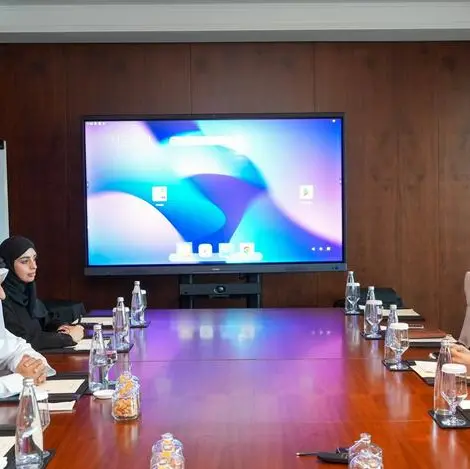
Humankind is decimating plant and animal species, with alarming consequences for the planet, as discussed by experts who gathered at the 20th edition of Sharjah International Conservation Forum for Arabian Biodiversity (SICFAB), which concluded on 7th February 2019. Organised by the Environment and Protected Areas Authority (EPAA), conservation experts and researchers who gathered at this Forum shed light on the importance of protecting biodiversity.
“Biodiversity is a cornerstone of our existence, and it is not just about Arabian oryx or falcons, but also the smallest living organisms in the world. If we don’t change our ways now, we may be the next species to go extinct,” said one of the participants at SICFAB.
While several topics formed the focus of conversation at the global gathering, the conservation experts were of the opinion that identifying sites important to conserve wild animals mand plants, such as key biodiversity areas, KBAs, was the most important step towards environment protection. Protected areas and KBAs are not only important for biodiversity conservation, but also to support human populations. Research indicates that nearly half of the world’s population depend on protected areas for livelihood, and while 14.9 percent of the Earth’s land surface and 7.3 percent of the world’s oceans are formally preserved, there is scope for more.
“To ensure that we reach our targets set for conservation, it is essential that the private and public sector, government organisations, NGOs and academicians all come together and work collectively, making use of innovative technologies that will aid the conservation and protection efforts. SICFAB is an effort that aims to unite all stakeholders under one roof to develop an action plan. The last few annual workshops have been phenomenal, and this year was much better. Going forward, we aim to introduce new topics of importance for conservation, as well as strengthen the existing framewroks to preserve the environment and conserve biodiversity” said H.E. Hana Saif Al Suwaidi, EPAA Chairperson.
A study released recently indicates that to keep the planet flourishing, 30 percent of Earth needs protection by 2030 and half the planet should be conserved by 2050. While the International Union for Conservation of Nature’s Red List of Threatened Species outlines 872 species as extinct, it states that there are 26,500 threatened with extinction. As such, conservation experts who gathered at the four-day conference discussed and detailed several plans, processes and ideas to protect the environment.
Along with the sessions on conservation translocations, key biodiversity areas, drones and veterinary medicine, the 20th SICFAB also highlighted the use of new tools and techniques to safeguard biodiversity. This year’s Forum, which witnessed the presence of xxx experts from xxx countries including xxx also included a trip to the launch of Sharjah Light Festival.
-Ends-
© Press Release 2019Disclaimer: The contents of this press release was provided from an external third party provider. This website is not responsible for, and does not control, such external content. This content is provided on an “as is” and “as available” basis and has not been edited in any way. Neither this website nor our affiliates guarantee the accuracy of or endorse the views or opinions expressed in this press release.
The press release is provided for informational purposes only. The content does not provide tax, legal or investment advice or opinion regarding the suitability, value or profitability of any particular security, portfolio or investment strategy. Neither this website nor our affiliates shall be liable for any errors or inaccuracies in the content, or for any actions taken by you in reliance thereon. You expressly agree that your use of the information within this article is at your sole risk.
To the fullest extent permitted by applicable law, this website, its parent company, its subsidiaries, its affiliates and the respective shareholders, directors, officers, employees, agents, advertisers, content providers and licensors will not be liable (jointly or severally) to you for any direct, indirect, consequential, special, incidental, punitive or exemplary damages, including without limitation, lost profits, lost savings and lost revenues, whether in negligence, tort, contract or any other theory of liability, even if the parties have been advised of the possibility or could have foreseen any such damages.