PHOTO
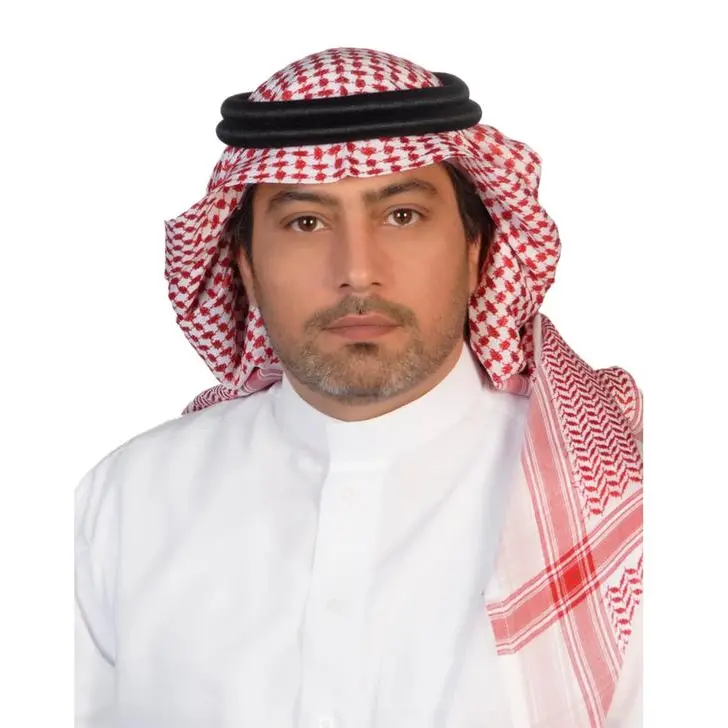
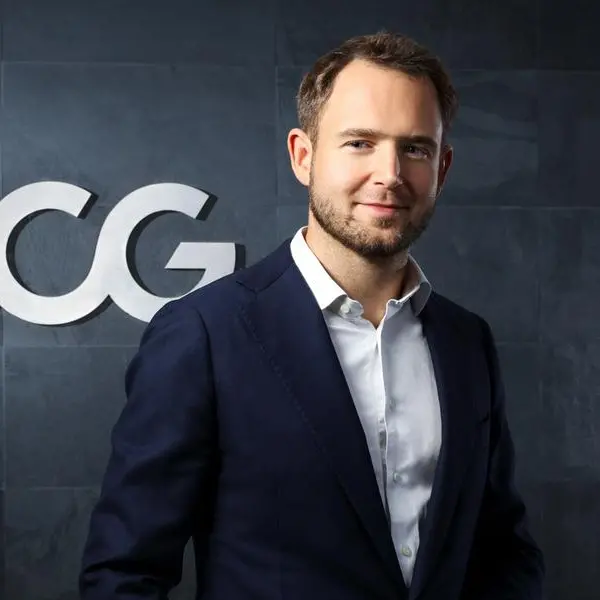
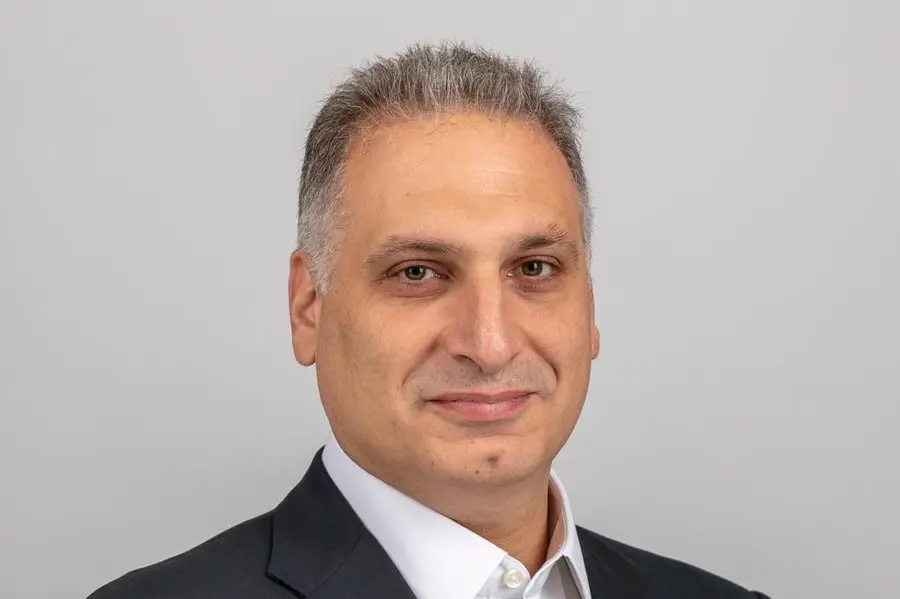
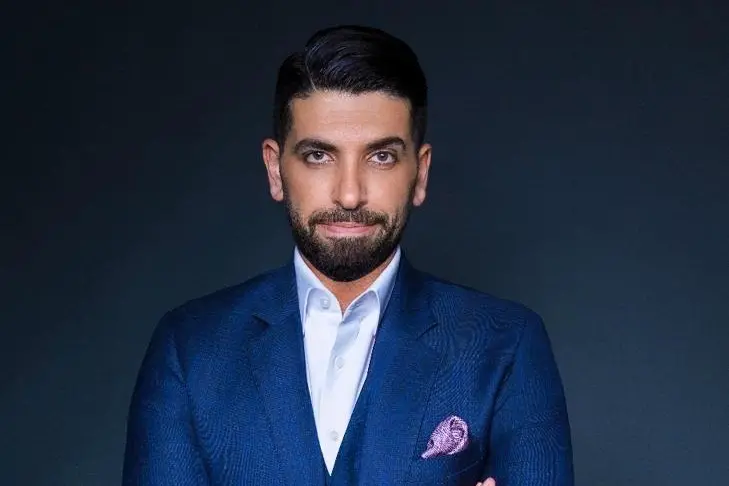
- Dr. Muhannad Al Wadiya: Some estimates ignore the broader picture of Dubai’s real estate market
- History shows the market has consistently defied negative forecasts and sustained growth
- Narratives may shape perceptions temporarily, but numbers and innovation reveal the truth
Dubai, United Arab Emirates – Dubai’s real estate market recorded robust growth in the first nine months of 2025, with sales nearing the half-trillion-dirham mark (AED 500 billion) through more than 155,000 transactions. This represents a 33.7% increase in value and 18.5% in volume compared to the same period in 2024, when sales totaled approximately AED 374 billion across 130,360 transactions.
According to data from Harbor Real Estate, the total value of real estate transactions in Dubai between January and September 2025 reached AED 670 billion from 200,000 deals, up 23.4% in value and 20.5% in number compared to AED 543 billion from 165,909 transactions during the same period in 2024.
Residential unit prices recorded annual growth of 8–10%, with minor declines limited to select prime locations. At the same time, Dubai continued to lead global cities in terms of real estate investment returns, averaging between 6% for villas and 10% for apartments.
Dubai as a Prime Destination for the Wealthy
The Luxury Housing Report 2025 confirmed Dubai’s continued rise as a top destination for high-net-worth individuals (HNWIs) worldwide, who acquire luxury properties either as primary residences or secondary homes. This is driven by a combination of flexible economic policies and a high-quality lifestyle offering.
Dubai recently entered the top ten cities globally outside the United States in terms of the number of wealthy second-home owners. A total of 1,288 ultra-high-net-worth individuals (with assets exceeding USD 30 million) currently own luxury properties in the emirate. The appeal is fueled by Dubai’s attractive tax environment, the growth of branded luxury residential projects, and the Golden Visa program, which strengthens the emirate’s status as both an investment hub and premier residential destination.
Forecasts of a Correction: Fitch Report and Market Response
Dr. Muhannad Al‑Wadiya, CEO of Harbor Real Estate, said: In May 2025, Fitch Ratings projected that Dubai’s residential property market could face a correction of up to 15% by year-end, citing abundant supply and softening demand. The forecast was quickly amplified by global media outlets warning of an imminent slowdown in one of the world’s most dynamic property markets.
Responding to these claims, the Harbor Real Estate report emphasized that such projections do not reflect the reality on the ground. It stressed that Dubai’s market fundamentals remain strong and resilient, with a proven history of overcoming similar forecasts and sustaining steady growth. Dr. Muhannad Al Wadiya, CEO of Harbor Real Estate, noted: “Over more than 26 years in this market, I have seen such warnings repeated time and again, yet Dubai has consistently defied them and maintained its exceptional growth trajectory. Narratives may shape perceptions, but numbers and innovation always reveal the truth.”
Recurring Forecasts and Dubai’s Resilience During Global Crises
The Harbor 2025 report pointed out that pessimistic forecasts about Dubai’s real estate market are nothing new and have often been proven wrong. In 2023, Knight Frank projected a decline of 5–10% by 2024, yet both prices and transactions rose, while the luxury sector achieved record gains. In 2024, Bloomberg noted that Dubai was “defying expectations of a slowdown,” as sales and rental demand remained robust. Global wealth reports between 2022 and 2024 also warned that inflation and higher interest rates would trigger a downturn, but Dubai’s luxury segment ranked among the world’s top performers. Similarly, repeated oversupply warnings since 2021 have been offset by project delays, strong population growth, and the market’s absorption capacity.
The report underscored that Dubai has historically emerged stronger from global crises. During the 2008 global financial crisis, the emirate successfully delivered the Burj Khalifa and the Dubai Metro, both global icons of resilience and vision. Amid the COVID-19 pandemic, while most of the world shut down, Dubai hosted Expo 2020, attracting over 25 million visitors, many of whom later returned as investors or residents after experiencing the UAE’s stability and safety.
Today, despite geopolitical turbulence, financial volatility, and environmental challenges, Dubai continues to consolidate its reputation as a safe haven for both capital and people.
The Real Picture: Ten Drivers of Market Strength
The report highlighted ten key factors underpinning the strength of Dubai’s real estate market. Population growth remains a central driver, with more than 4 million residents in 2025 and an annual growth rate of 5–6%. Under the Dubai 2040 Urban Master Plan, the population is projected to reach 5.8 million residents and 2.1 million daily visitors.
Transaction activity is equally strong, with sales nearing AED 500 billion in the first nine months of 2025 across 155,000 deals, representing a 33.7% annual increase. For 2024, total real estate transactions reached AED 761 billion, a historic record.
Supportive policies such as long-term residency permits, the Golden Visa, and full foreign ownership have anchored long-term capital flows. These are complemented by the Dubai Real Estate Strategy 2033 and the Dubai 2040 Urban Master Plan, backed by multi-billion-dirham infrastructure investments.
The Dubai Land Department’s innovation in real estate tokenization, powered by blockchain, was cited as a transformative milestone. This initiative allows fractional ownership and opens the market to millions of global retail investors. The first offerings sold out in under two minutes, underscoring the extraordinary demand and ensuring efficient absorption of future supply.
Sector flexibility has also been evident. While luxury and branded residences may see mild corrections after years of exceptional growth, sustained demand from Golden Visa holders, wealthy individuals, celebrities, and affluent families continues to drive momentum. Promising districts such as Expo City, Dubai Creek, Jumeirah Garden City, Al Jaddaf, and Majan are emerging as competitive hubs with strong infrastructure.
Dubai’s rental yields remain among the highest globally, surpassing major cities such as London and New York. Rising rents are also encouraging tenants to transition to ownership, further supporting investment demand.
Financial stability has improved, with banks’ exposure to real estate reduced to around 14% of total lending, compared to 20% previously. Developers have also become more disciplined in managing leverage and project pipelines.
Meanwhile, large-scale infrastructure projects, including new metro lines and urban mega-developments, continue to enhance Dubai’s capacity and global appeal.
Finally, the quality of investors and residents is a defining strength. Dubai attracts affluent families, Golden Visa holders, and family offices—ensuring steady, long-term demand rather than speculative short-term activity.
Risks Exist, but No Exaggeration Needed
The report acknowledged that risks remain—such as global shocks, partial oversupply, or a temporary slowdown in the luxury segment. However, it emphasized that these scenarios are fundamentally different from a broad 15% market downturn, and instead reflect market maturity and diversification.
Guidance for Investors
The report advised investors to focus on promising submarkets, work with reputable developers, adopt a long-term approach aligned with Dubai’s 2033 and 2040 strategies, consult certified advisors with proven track records, and recognize tokenization as a groundbreaking entry point into Dubai’s growth story.
Numbers Speak Louder Than Speculation
The report concluded by underscoring that forecasts of a 15% market correction are detached from reality. Dubai not only withstands global headwinds—it thrives in the face of them. With a growing population, record-breaking transactions, supportive policies, and innovations like tokenization attracting global demand, the emirate continues to expand and reinforce its position as a global safe haven for real estate investment.
As Dr. Muhannad Al Wadiya, CEO of Harbor Real Estate, remarked: “Real estate is the loyal child of the economy, and Dubai’s diversified, sustainable, and resilient economy is in excellent health.”