PHOTO
- The decline in global health aid to $38.4 billion by the end of 2025 triggers the urgent need for more transparent and strategic funding.
- Leaders from organisations such as IRC, UNHCR, and WHO Foundation, and Nabta Health called for trust-based partnerships and ethical innovation to address gaps.
- Mental health costs over $1 trillion a year but remains underfunded, demanding urgent philanthropic investment that recognises cultural needs.
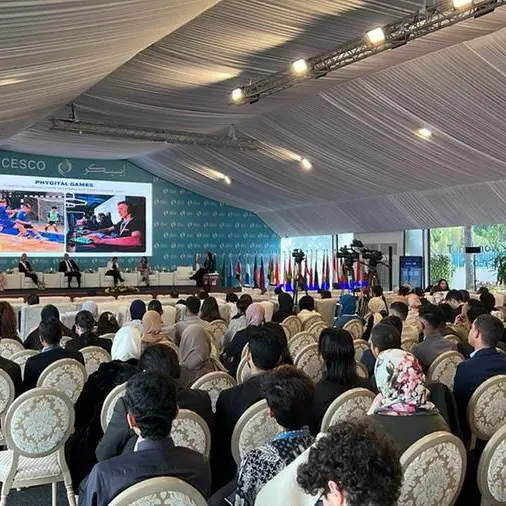
Dubai, United Arab Emirates: Pearl Initiative hosted a high-level dialogue in Dubai this week, bringing together global thought leaders, philanthropic institutions, and cross-sector stakeholders for a solutions-driven discussion on the role of governance in addressing global health crises.
Governance for Resilient Health Systems
Titled ‘Governance for Resilient Health Systems’, the event explored how ethical, transparent, and accountable governance frameworks should support every effort to build sustainable and equitable health systems, particularly as the world faces overlapping crises including climate shocks, conflict, and forced displacement.
As one example, 400 natural disasters struck in 2023 alone, each one stretching fragile health systems closer to breaking point. Yet while such crises are intensifying, global health aid is projected to fall from $80.3 billion in 2021 to $38.4 billion by 2025, highlighting the urgent need for philanthropic funding to be governed strategically and deployed transparently.
Pearl Initiative’s convening featured four high-level panels, each addressing a critical dimension of health system resilience through the lens of governance and strategic philanthropy. Among the leaders who took part in the discussions were representatives from the International Rescue Committee (IRC), UNHCR, WHO Foundation, International Medical Corps, National Multiple Sclerosis Society, and Nabta Health. The sessions explored health service delivery in fragile contexts, long-term infrastructure investment, equitable access, and the global mental health gap, driving dialogue on how governance can enable more effective and accountable responses.
The day’s discussions underscored the need for strategic philanthropy that prioritises long-term investment, ethical innovation, and equitable response. Speakers emphasised trust-based funding in crises settings, the role of governance in expanding health infrastructure, and the need for ethical oversight in digital health solutions. Speakers warned that while mental health drains over $1 trillion from the global economy each year, it remains dangerously underfunded, particularly in regions where stigma and lack of culturally appropriate solutions leave millions without care. Transparency, local leadership, and accountability were reaffirmed as essential pillars of resilient health systems.
Reflecting on the event, Ralph Choueiri, Executive Director of Pearl Initiative, remarked, "Governance is the foundation of every sustainable system, and not an optional add-on. In global health especially, philanthropy must shift from reactive giving to strategic investment, guided by ethics, accountability, and a long-term commitment to impact that improves lives. Fragmented or short-term approaches are no longer sufficient in the face of the complexity of today’s global health crises.”
Throughout the day, the dialogue reinforced the urgency of closer coordination between philanthropic actors, government, and civil society, and the importance of local leadership in building trust with affected communities, partners, and the wider public.
Through its Governance in Philanthropy Programme, Pearl Initiative continues to champion responsible giving, transparency, and collaborative governance models across the Gulf region and beyond, ensuring that every philanthropic contribution is both impactful and accountable.
About the Pearl Initiative
The Pearl Initiative is the Gulf region’s leading independent, non-profit organisation working to promote the business case for a corporate culture of accountability and transparency. Established in 2010 by regional business leaders in cooperation with the United Nations Office for Partnerships, the Pearl Initiative is the only private, non-profit Gulf business network to receive special consultative status from the United Nations Economic and Social Council. The Pearl Initiative runs a series of corporate governance related programmes, including Anti-Corruption Best Practices, Diversity in Business Leadership, Governance in MSMEs, Governance in Family Firms, Governance in Tech, and Governance in Philanthropy. The organisation also conducts locally relevant research, hosts workshops and executive education training sessions, and convenes business leaders, policymakers, students, and non-profit executives to encourage a proactive approach to implementing best practices in the workplace across the Gulf region.