PHOTO
(The opinions expressed here are those of the author, a columnist for Reuters.)
LONDON - By hook or by crook, U.S. President Donald Trump seems intent on cutting the cost of credit further - potentially stoking GDP growth already north of 4% and underscoring concerns about overheating the economy.
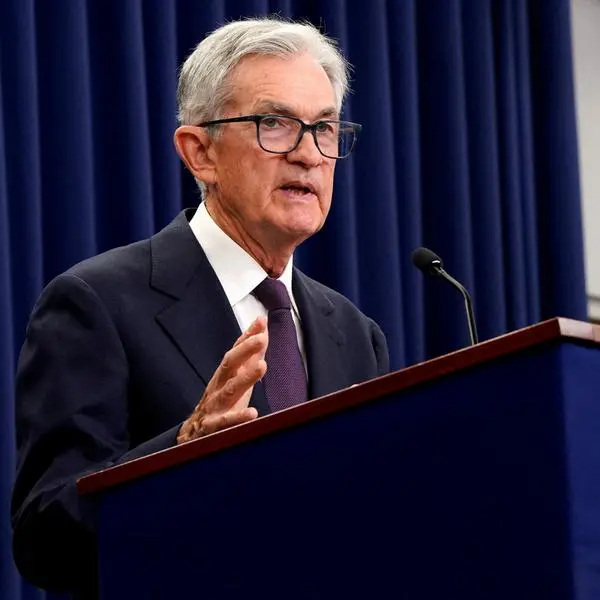
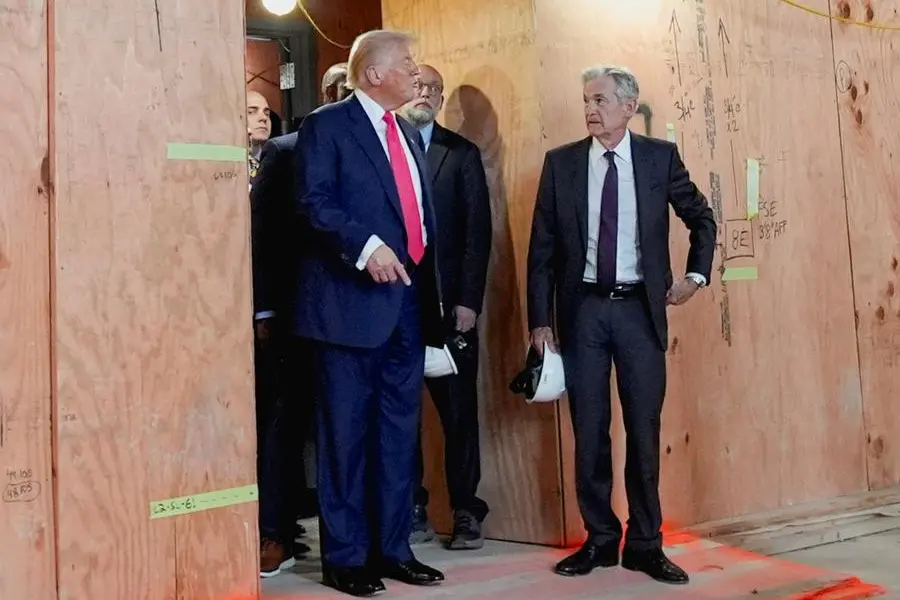
Over the past week alone, Trump's administration has launched what Federal Reserve boss Jerome Powell described as a "pretext" for dismantling Fed independence, proposed a cap on credit card rates and ordered the purchase of $200 billion of mortgage bonds to help cut housing credit costs.
Dissatisfied with the Fed's unwillingness to cut interest rates faster and deeper, Trump's political capture of the central bank could take some time and will meet considerable opposition from within the Fed, finance grandees and even some Republicans in Congress.
But time for easier credit to make a difference to voters in a midterm election year is running thin.
Awaiting a more compliant Fed, the administration appears hell-bent on using a mix of regulation and Treasury cash to cut credit card bills and mortgage rates further.
The efficacy of these moves is still unclear - with some fearing a credit card rate cap at 10% for a year may backfire by forcing card firms to pull credit lines from lower-rated borrowers altogether.
But the direction of government credit policy - to the extent that it now has one distinct from, and in places at odds with the Fed - seems clear. Perhaps most important for Trump is the political optics of being seen to try. Few doubt that cutting borrowing costs would be popular with voters struggling to pay their bills. Repeated opinion polls on the cost of living often reflect alarm about monthly credit payments as much as the prices of goods and services per se.
But popularity alone does not make for sound economic policy in the long run.
EASING BY DECREE
The long-term concern is that political pressure, combined with efforts to offset Fed policy, will undermine the central bank's credibility in meeting its inflation target. That, in turn, could leave its prized independence at the mercy of this or any future government, rather than its own hard-nosed judgment.
Near-term, there's a reasonable worry that any further policy easing moves right now are unjustified. Financial conditions are already very loose, the economy is tracking annualized growth in excess of 4% through the end of last year, and inflation is settling above the Fed's target.
Fed policy as it stands presumably includes an assumption about prevailing credit card rates and the impact of rolling mortgage bonds off its balance sheet. If the administration effectively eases both of those conditions, a new question about the appropriate Fed policy rate may well be raised internally.
Even though the labor market picture remains somewhat foggy, a fresh decline in the national jobless rate to below 4.4% last month - alongside an acceleration in annual wage growth - showed little sign of significant weakening in employment.
If accelerated Fed easing now sustains a "re-acceleration" of growth, there's a decent chance that running the economy "hot" sees inflation fail to return to target and pick up steam eventually too - regardless of what you think of tariff impacts.
After all, the push to soften monetary conditions even further this year comes just as last summer's fiscal boost of tax cuts and spending kicks in fully through early 2026.
Breaking ranks with many of its peers and market pricing for two more Fed cuts this year, JPMorgan now thinks the next Fed rate move is actually up - sometime in 2027.
By that logic, any further cuts - especially any seen to be politically influenced - may just build a case for harsher tightening, whether the Fed would be "allowed" to do that eventually or not.
"Rather than pushing for rate cuts, the economic environment by the middle of this year could shift the debate such that the next Fed chair is likely to be resisting calls for higher interest rates," wrote Fed watcher Tim Duy at SGH Macro Advisors. "Failure to resist those calls, or to even cut rates further as is currently sought by Trump, would be the classic policy error of a central bank stripped of its independence."
If the "hot" economy is demanding a halt to easing but credit rates are loosening anyway in one shape or form, it's not hard to see why record-high Wall Street stocks have largely lapped up the prospect.
Monday's dollar retreat and gold surge speak a bit more clearly to the long-term inflation anxiety, while relative calm in Treasuries - much like last year - remains something of a head-scratcher.
Speaking last week of the administration's view of the Fed stance, Treasury Secretary Scott Bessent rather strangely evoked an uncomfortable memory of the late 1990s.
"The Fed needs to have merely an open mind. The open-mind maestro, former Fed Chairman Alan Greenspan, resisted premature rate hikes during the technology boom of the 1990s — and history proved him right."
While history may have proven him right about making space for the internet to thrive, it also records how that stance allowed one of the biggest stock market bubbles and busts to unfold over the turn of the new millennium.
The opinions expressed here are those of the author, a columnist for Reuters.
-- Enjoying this column? Check out Reuters Open Interest (ROI), your essential new source for global financial commentary. Follow ROI on LinkedIn. Plus, sign up for my weekday newsletter, Morning Bid U.S.
(by Mike Dolan; Editing by Marguerita Choy)