PHOTO
The U.S. dollar edged higher on Tuesday after falling the day before as uncertainty over Middle East peace talks kept investors on the sidelines.
The United States expressed confidence that peace talks with Iran would go ahead in Pakistan, but significant hurdles remain as the end of a two-week ceasefire approaches.
U.S. President Donald Trump announced the ceasefire with Iran on April 7. While he has not specified the exact time it expires, April 21 would mark two weeks, which could be Tuesday evening in the United States and Wednesday morning in Iran. Iran's armed forces are ready to deliver an "immediate and decisive response" to any renewed hostile action by its adversaries.
The dollar index, which measures the greenback against a basket of currencies including the yen and the euro, was up 0.15% at 98.24 after a 0.2% decline on Monday.
The Iran war has generally seen the greenback supported by safe-haven demand while rising Brent crude futures weighed on the euro and the yen, as both regions are major oil importers.
"This binary backdrop of geopolitical risk is keeping a tight grip on forex and as long as talks are happening then the U.S. dollar should be on the backfoot," said Paul Mackel, global head of forex research at HSBC, referring to conflicting signals over de-escalation.
"The opposite should also hold true."
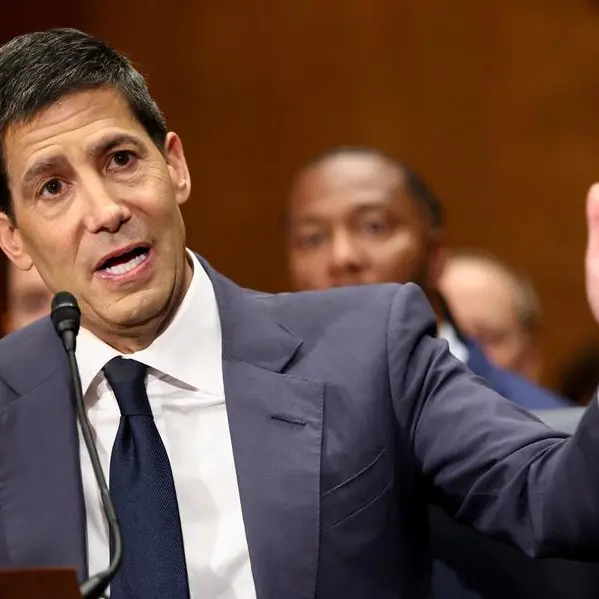
Investors will also keep a close eye on the Senate confirmation hearing of Kevin Warsh, Donald Trump's nominee for Federal Reserve chair, as key issues such as monetary policy direction, the Fed's independence and its balance sheet are set to take centre stage.
"Given the audience, it seems reasonable that Warsh may not sound overly dovish versus what is priced in our view, leaving aside his long-term view that AI productivity gains could support lower rates," HSBC's Mackel added.
EURO TRACKS MOVES IN NATURAL GAS PRICES
The euro stood at $1.1782, down roughly 0.2% on the day.
The single currency has recently tracked moves in energy prices, particularly the price of natural gas, falling in value when gas prices have shot up and vice versa.
Futures for TRPC Natural Gas hit $68.20 on March 19, their highest levels since January 19, but have since fallen to around $39.
The euro has gained ground since March 16 when it hit $1.1409, its lowest level since August 2025.
Traders are still pricing in around two European Central Bank rate hikes by the year's end but ECB President Christine Lagarde said the bank needs more information before drawing firm policy conclusions. Analysts expect the ECB to keep rates unchanged this month.
CENTRAL BANK MOVES WATCHED
The yen was roughly unchanged at 158.80 per dollar, continuing to hover near the crucial 160 level that traders see as the line in the sand for intervention.
The Bank of Japan is likely to hold off raising interest rates next week, five sources familiar with its thinking said, as fading prospects of a near-term end to the Middle East war keep the country's economic and price outlook uncertain.
The kiwi traded at $0.5911, up 0.3%. New Zealand's annual inflation rate was unchanged at 3.1% in the first quarter, above the central bank's target range, increasing the likelihood of further rate hikes this year.
Attention will be paid to U.S. retail sales for March later today, with analysts predicting a chunky 1.4% increase.