PHOTO
Gold prices slipped on Tuesday, as investors turned cautious ahead of key U.S. jobs and inflation data, which could provide cues for Federal Reserve policy heading into the new year.
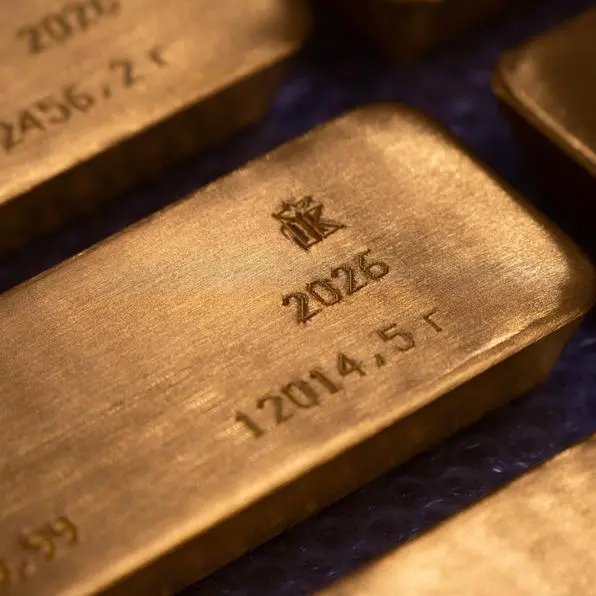
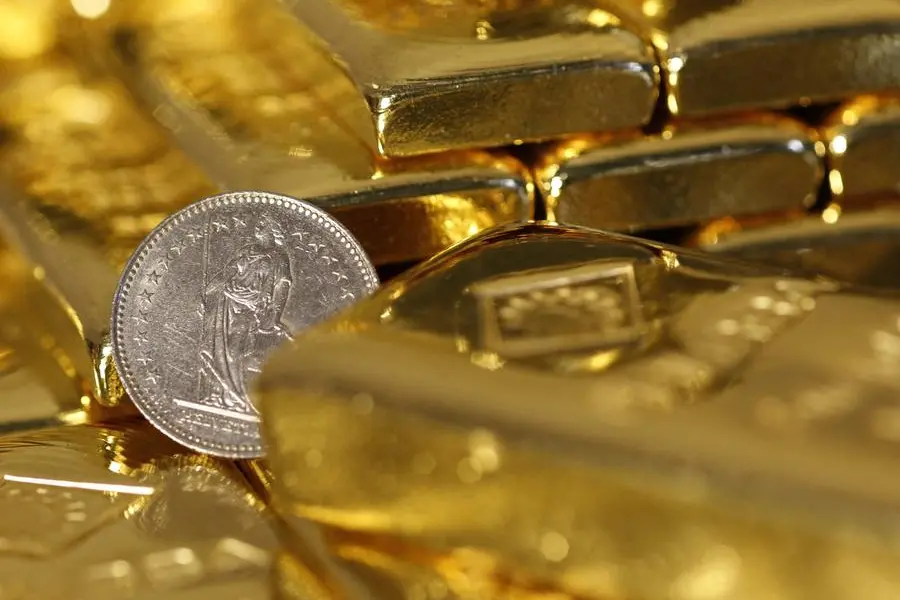
Spot gold lost 0.3% to $4,290.33 per ounce, as of 0637 GMT. Bullion has rallied 64% year-to-date, smashing multiple records along the way.
U.S. gold futures were down 0.4% at $4,316.40.
"We're right up against the former high around $4,380 from mid-October. So the market is essentially asking whether there’s enough conviction to break higher, or whether this is a level where momentum starts to fade," said Ilya Spivak, head of global macro at Tastylive.
Traders are pricing in a 76% probability that the Fed will hold rates steady in January, according to CME's FedWatch tool. This week's data docket is expected to offer fresh clues on how quickly the Fed may ease policy in 2026.
The combined U.S. employment reports for October and November, due on Tuesday, will lack several details after a 43-day government shutdown curtailed data collection, including October's unemployment rate.
Fed Governor Stephen Miran said current above-target inflation does not reflect underlying supply and demand dynamics that are generating price increases much closer to the central bank's 2% target.
Markets are also awaiting weekly jobless claims and the Fed's preferred inflation gauge, the Personal Consumption Expenditures index, due later this week.
Non-yielding bullion typically thrives in lower-rate environments.
Elsewhere, spot silver slid 1.4% to $63.03 an ounce, after touching a record high of $64.65 on Friday.
KCM Trade Chief Market Analyst Tim Waterer said silver retains a bullish undertone as industrial demand shows no signs of abating, after a 121% rally this year driven by firm industrial and investment demand and tightening inventories.
Spot platinum climbed 1.3% to $1,806.46, while palladium rose 1% to $1,582.68.