PHOTO
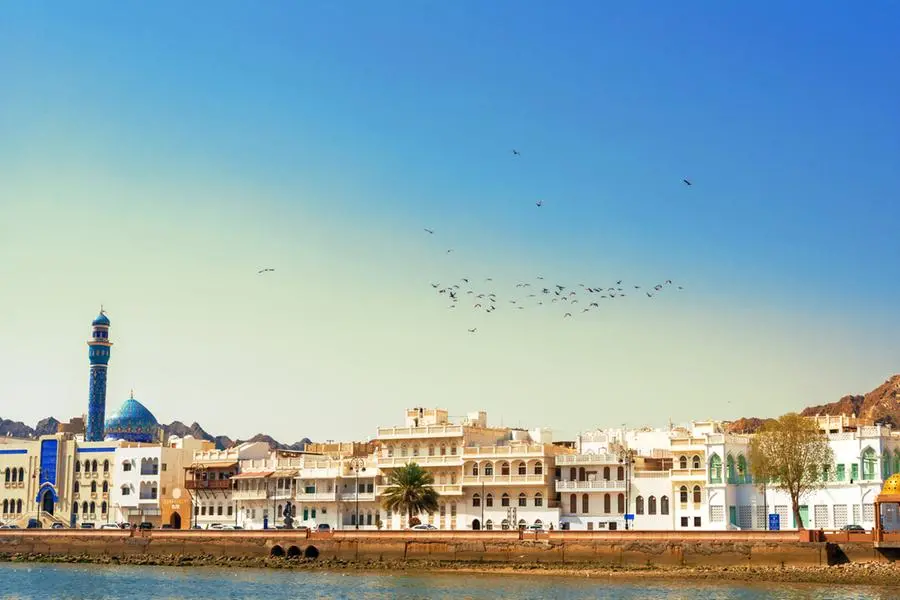
Modern Oman was built on this foundation. Roads, ports, hospitals and schools have been financed in large part by hydrocarbon income. That legacy should make us confident, not complacent. The task now is to grow the national cake so that every slice gets bigger. Press ahead on diversification while keeping the base strong, clean and investable — so the oven stays hot as we prepare new recipes for growth.
Public sources show that hydrocarbons remain a backbone of the economy, accounting for roughly one‑third of GDP even as non‑oil activity expands. According to sector overviews by the Oxford Business Group and the US International Trade Administration, this balance lets Oman build new engines of growth without risking fiscal stability.
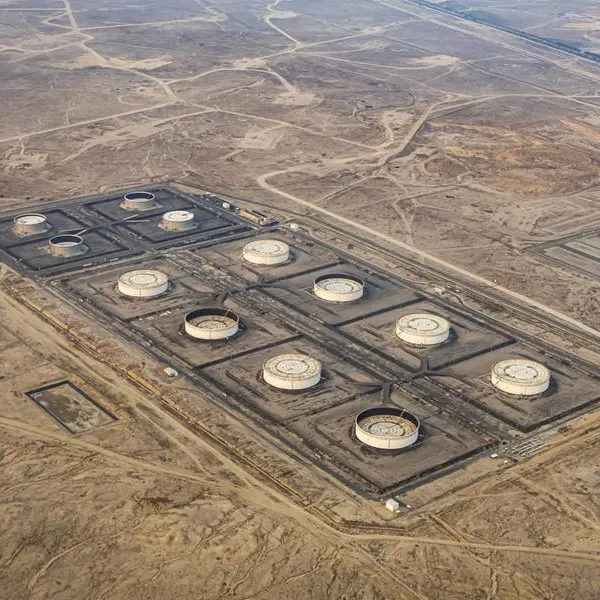
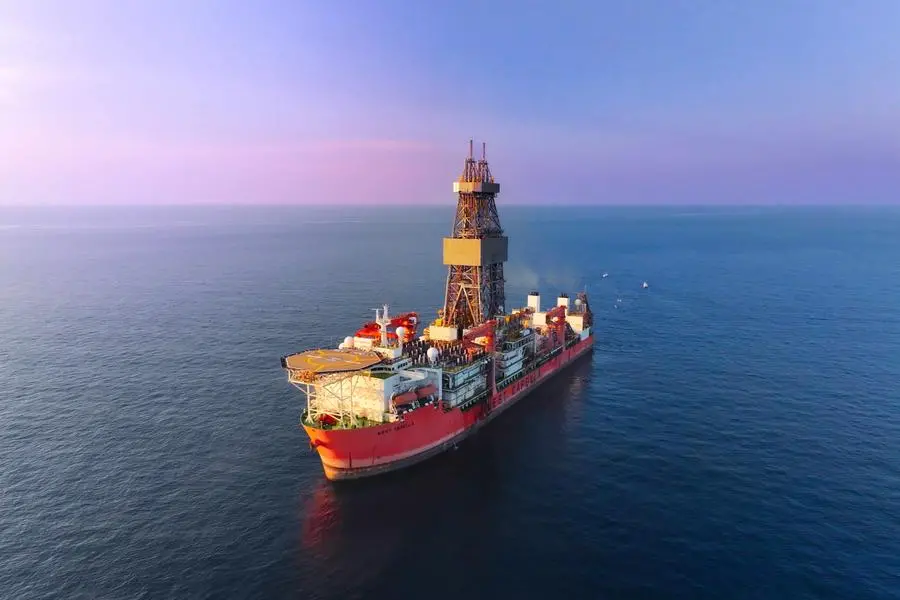
The resource picture argues for prudence. According to the Ministry of Energy and Minerals’ 2024 reporting — summarised in national and regional coverage — end‑2024 reserves stood at about 4.825 billion barrels of crude and condensate and 23.3 trillion cubic feet of natural gas, with Petroleum Development Oman the largest holder of oil reserves. On the gas side, company statements indicate bp’s Block 61 (Khazzan–Ghazeer) anchors domestic supply at around 1.5 billion cubic feet per day, alongside valuable condensate.
Market access is reinforced by partnership discipline. As reported by Reuters and specialist LNG outlets, Oman LNG renewed multi‑year sales agreements starting in 2025 with partners including Shell, Türkiye’s BOTAŞ and TotalEnergies — contracts that provide cash‑flow visibility and reassure investors that Oman remains a reliable supplier. Downstream, OQ8 (Duqm Refinery) confirmed in 2024 that it completed the Lenders’ Reliability Test, signalling full commercial readiness, according to the company and regional business media.
Competitiveness today also means lower emissions. In 2024, the Ministry of Energy and Minerals established the Oman Net Zero Centre to coordinate methane reduction, electrification and efficiency, as reported by national media and official channels. Buyers and financiers are scrutinising emissions profiles with growing rigour; meeting that test protects market access and the cost of capital. Practical measures like leak detection and repair, targeted electrification of compressors where grids and economics allow; and scaling efficiency projects with short paybacks can lower intensity without sacrificing output.
There is a wider investment context. Some argue that price volatility is a reason to stop investing in hydrocarbons and put everything into new energies. That would swap known cash flows for uncertain ones. A better approach is a balanced national portfolio: maintain disciplined upstream and LNG investments with clear returns; and channel part of those proceeds into new sectors as projects mature. The International Energy Agency estimates global energy investment of about $3.3 trillion in 2025 — roughly $2.2 trillion to clean energy and around $1.1 trillion to fossil fuels — according to the IEA and international financial reporting.
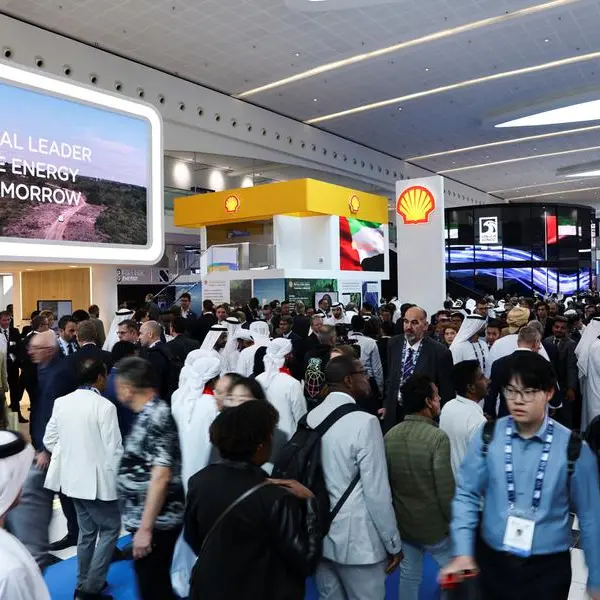
Oman LNG renewed multi‑year sales agreements starting in 2025 with partners including Shell, Türkiye’s BOTAŞ and TotalEnergies.
Trade realities favour reliability. Data from the National Centre for Statistics and Information — reported in local media—show that China remains the predominant destination for Omani crude. Consistent supply, backed by long‑term LNG sales and an expanding refined‑products platform, paired with a steadily improving emissions profile, will consolidate that market while we cultivate new customers across Asia and beyond.
Value captured at home matters as much as export receipts. Petroleum Development Oman has reported that In‑Country Value retained by the supply chain reached about 40 per cent — roughly $2.5 billion — in 2023, according to company communications and local coverage. Building on this model through services, manufacturing and digital operations strengthens small and medium enterprises, deepens skills and keeps more income circulating inside the Sultanate of Oman.
Policy consistency remains a hallmark of Oman’s energy diplomacy. Official OPEC communications and international reporting note that Oman supported market‑stability efforts in recent years through voluntary production adjustments and is now phasing these back prudently as conditions evolve. Predictable, transparent and coordinated steps help stabilise revenues and reinforce Oman’s reputation as a dependable partner to consumers and producers alike.
What should come next is practical. Keep decline rates in mature fields at or below plan through enhanced oil recovery and better subsurface analytics; pace gas developments so supply aligns with LNG flexibility and customer needs, preserving plateau where feasible and sequencing new tie‑ins to market demand; put Duqm’s readiness to work by attracting petrochemicals, polymers, aviation fuels and marine bunkering with clear job‑creation targets; maintain a simple fiscal anchor that saves windfalls and protects priority development spending when prices soften; and keep emissions reduction measurable — focus on methane, feasible electrification and efficiency with paybacks under five years.
Diversification is our destination and Oman is already moving — through manufacturing, tourism, logistics, fisheries and a growing SME base — while oil and gas remain the locomotive that finances the track we lay. If we keep investing prudently in this base — squeezing more efficiency from every barrel and molecule while lowering emissions — the new sectors will scale faster and more securely.
In that spirit, on November 2, 2025 the Integrated Gas Company (IGC), led by CEO Abdulrahman al Yahyaei, signed long-term Gas Purchase & Allocation Agreements that earmark over 27 million m³/day of gas for roughly a decade to priority industries — locking in affordable energy, de-risking downstream capital in metals, petrochemicals and cement; and giving financiers the predictability to fund value-adding projects that propel Oman Vision 2040. Keep the oven warm, feed it steadily and share the slices fairly: that’s how we grow the national cake —jobs, exports and stronger SMEs.
2025 © All right reserved for Oman Establishment for Press, Publication and Advertising (OEPPA) Provided by SyndiGate Media Inc. (Syndigate.info).