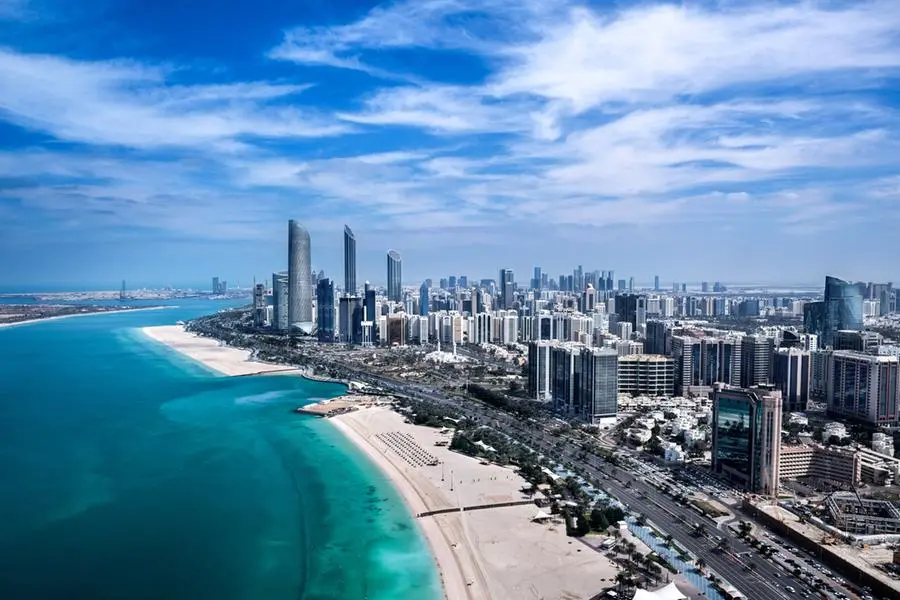
PHOTO
Globally, the energy transition has reached a turning point. According to the Global Energy Outlook 2025 (RFF, 2025), solar and wind now account for the majority of new power capacity, with renewables making up over 45 per cent of the world’s installed generation base (IRENA, 2025). Yet despite record growth, the pace is still insufficient to meet international targets: tripling renewable power capacity to more than 11 terawatts by 2030 (REN21, 2025).
For Oman, this global race has direct resonance. Oman Vision 2040 calls for transforming the Sultanate of Oman into a sustainable, diversified economy, with a target of 30 per cent of electricity to come from renewables by 2030 (Oman Vision 2040, 2019). The question is whether the speed and scale of deployment in the Sultanate of Oman can match global momentum — and whether Oman can carve out its own leadership role in the region’s clean energy landscape.
In 2024 alone, the world added more than 700 gigawatts of new renewable capacity, the bulk of it solar photovoltaics (IRENA, 2025). China, India and the United States led the charge, while emerging economies are increasingly recognised as critical to meeting global goals, holding around 70 per cent of untapped solar and wind potential (IEA, 2025).
Oman, though smaller in scale, has made significant strides. The Ibri II Solar Plant, operational since 2021, produces 500 MW of clean electricity (APSR, 2022). Projects now in development — including the Ibri III solar farm, Al Kamil solar IPP, and a series of wind farms in Al Duqm and Dhofar — could push capacity closer to the Oman Vision 2040 benchmarks (OPWP, 2024). Already in 2025, renewables account for more than 20 per cent of Oman’s power mix in the main grid, up sharply from under 10 per cent just a year ago (APSR, 2025).
The path is not without obstacles. Global reports warn that financing remains the biggest barrier for emerging economies, where the cost of capital can be three times higher than in advanced markets (IEA, 2025). For Oman, securing affordable green finance and attracting private sector investment will be essential.
Grid integration is another hurdle. As renewables rise, so does the need for energy storage, smarter grids and regional interconnections. Oman is studying battery storage, waste-to-energy and even hydrogen-ready infrastructure, but these technologies will need to be scaled rapidly to keep the 2030 targets within reach (PDO, 2024; OIA, 2025).
Oman Vision 2040 frames the energy transition not only as an environmental necessity but as an economic opportunity (Oman Vision 2040, 2019). By scaling renewables, Oman reduces dependence on natural gas in power generation, freeing more gas for export and industry (APSR, 2025). At the same time, new clean energy industries — such as green hydrogen — position Oman as a player in emerging global value chains (Hydrogen Council, 2025).
As the world accelerates towards tripling renewables by 2030, Oman’s challenge is one of alignment: ensuring that its ambitious national vision keeps pace with international shifts. With bold targets, rising investment; and world-class solar and wind resources, the Sultanate of Oman is well placed to meet and potentially exceed, its share of the global transition.
2025 © All right reserved for Oman Establishment for Press, Publication and Advertising (OEPPA) Provided by SyndiGate Media Inc. (Syndigate.info).