PHOTO
Muscat - The first five years of the launch of Oman Vision 2040 have witnessed the implementation of more than 100 national projects.
A report by the Vision 2040 Implementation Follow-up Unit indicated that the past five years witnessed the Implementation of hundreds of national projects, initiatives, programs, and plans based on four pillars - Economy and Development, Environment and Sustainability, Governance and Institutional Performance.
The impact of these projects and achievements was reflected in achieving better services through schools, hospitals, roads and facilities that raise the quality of life in all state, and a diversified economy with investments and opportunities that promote growth in various governorates, and an environment Sustainable and clean with green projects that preserve the environment and contribute to the economy, and digital services Included digital transformation and governance that makes transactions easier and more transparent, and stories that inspire and represent Individual models that embody the values of creativity and giving.
Education
The education sector witnessed a radical transformation during the period from 2021 to 2025, with the construction and maintenance of 188 schools, and the implementation of the plan to digitize the curriculum for grades 1-12.
And the launch of the Noor e-learning platform, which is concerned with providing interactive digital educational content of high quality, is easily available to students from anywhere, at any time, and the platform empowers teachers to manage their classes and use educational activities digitally, including the first 140 schools.
The implementation of the vocational and technical education system for students has also begun. Grades (11 - 12) in 9 specializations, including Business Administration and Information Technology in Muscat and North Batinah governorates, and travel and tourism specializations in the governorates of Dhofar and Dakhliyah.
The university sector saw the establishment of the University of Technology and Applied Sciences through the merger of technical colleges and colleges of Applied Sciences, and the College of Education in Rustaq.
The university has more than 48,000 students from 11 branches, with 48 specializations.
Innovation
The innovation sector witnessed several achievements Among them, the establishment of the Industrial Innovation Academy, which includes 6 strategic programs, and during the past three years, 360 young people have been qualified to obtain the certificate of "Specialist" Industrial Innovation", and the number of factories and companies that benefited from the services provided by the The Academy has more than 40 national factories and companies.
Health
The health sector has seen more Work on the modernization of the infrastructure with the opening of Al Mazyouna Hospital in Dhofar Governorate, and the establishment of 3 new hospitals, including the new Sultan Qaboos Hospital in Salalah and Al Suwaiq Hospital, and Khasab Hospital, and the expansion of Sohar Hospital, offering more than 1,800 beds for RO300 million.
Health sector
The past five years have seen Also, the establishment of the University Medical City, and the Medical City for the Military and Security Services, The establishment of the Central Public Health Laboratory and the opening of several private hospitals, including Oman International Hospital, Al Saadia Hospital, and the commissioning of new cardiac catheterization units in Sohar Hospital and Nizwa Hospital, establishment of Intravenous Solution Preparation Unit at Sultan Qaboos University Hospital, and Establishment of a Center Muscat for Recovery, in addition to the establishment of pharmaceutical factories as part of the efforts made to localize the pharmaceutical industry in the Sultanate of Oman, meet the needs of the local market and boost non-oil exports.
The health sector witnessed several achievements that included performing complex medical operations with national cadres, most notably the Siamese twin separation, heart transplant from a brain-dead patient, and resection Open skull tumor during wakefulness, and cochlear implant for a 9-week-old baby.
Culture
The Oman Cultural Complex was established in Muscat Governorate, and the Maritime History Museum Oman in Sur, besides the opening of the Oman Acress Ages Museum in Manah, the Amjad Museum in Sohar, and the Fath al-Khair Center in Sur, among others.
To spread the message of peace and coexistence from Oman to the world, an Oman Hall at the State Hermitage Museum in Russia and the Hermitage Museum corner at the National Museum of Oman were established to focus on the historical ties between the two countries.
The Oman Corner of the Hermitage Museum contains 28 objects, was inaugurated Archaeological reflecting the ancient Omani Empire.
Social Protection
The Social Protection Fund provides its services to more than 1, 450, 000 beneficiaries as of August 2025.
The National Autism Center has also been established to provide rehabilitation and therapeutic services of high quality from childhood to adulthood, and the number of beneficiaries of the services of the center is 222, including those with autism spectrum disorder. The center implements several projects, joint and community initiatives in cooperation with local and international institutions.
Leadership capacity
The Economy and Development axis focused on building an enabling economic leadership through the programs implemented by the Royal Academy of Management and the National Initiative for One Government Team.
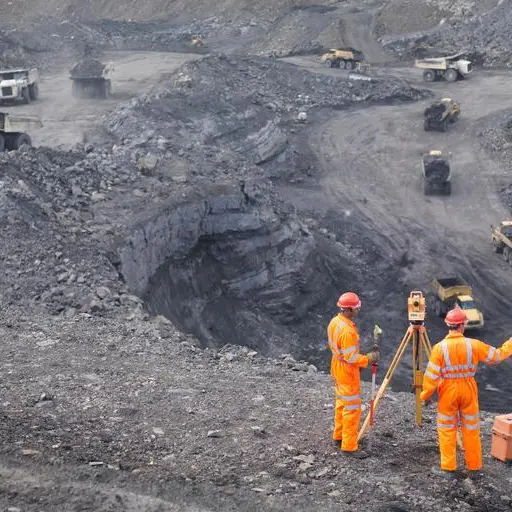
Economic diversification sectors included launching new projects in the mining sector, such as Shuwaymia Metal Industries in the state of Shaleem and Halaniyat Islands, and the project aims to produce 40 million tonnes of limestone per year, the Gypsum and Dolomite, Silica Sands Project in Al-Washihi Mine in Mahout, the Al Ghizain Mine, and Exploration and mining for copper and gold ores in Square 10 in Yanqul, in addition to the redevelopment of the Aseel and Al-Bayda copper mines.
Heavy and medium industries
The Heavy and medium industries sector saw achievements with the opening of the Duqm refinery in 2024, with a production capacity of 230,000 barrels per day.
The refinery has been able to increase its production capacity in 2025 to 255,000 barrels per day, and the past five years saw inauguration and establishment of many other projects such as Salalah Ammonia Plant with a capaicty of 365,000 metric tons per year of ammonia, and Karwa Automotive Factory in Duqm, and the Vanadium and Niobium plant in Sohar Freezone to supply alloy factories in the markets of United States, Europe; the silicon metal and aluminum wheel factory in Sohar has a production capacity of RO1.2 million wheels per annum.
Sohar Intaj Advanced Industries Company was established to focus on the use of reverse engineering, mold manufacturing, and precision instrumentation.
The company includes the Plastic Technology Center, Mold Manufacturing Center, and the Center for Advanced Industries..
The year 2026 is expected to see the opening of several factories, including the Polyacrylamide Polymer Production Factory in Sohar, which is the second-largest polymer production plant in the world, with an investment cost of over RO115.3 million, and the Turbine Resources Factory to manufacture wind turbines in Duqm with a production capacity of 1000 MW per year. The iron ore concentrate plant in Sohar is expected to be operational during 2027.
Logistics
The logistics sector has received more attention as the past years have witnessed the implementation, completion, and maintenance of many strategic projects, including the Empty Quarter Road (725 kilometers), Sultan Faisal bin Turki Road (Dibba - Lima - Khasab with a length of 71 km. The completion rate of the project until last June was 48 percent, and the expansion of the Rusail road in Nizwa is 27 kilometers long.
The past five years saw the establishment of the ASYAD Container Station in Duqm and the establishment of the Hafeet Train Company in cooperation between the Sultanate of Oman and the United Arab Emirates, connecting Abu Dhabi and Sohar.
Tourism
The tourism sector, work saw the establishment of projects such as the Sustainable City project in Yeti, the 3km-long Muttrah cable car, which is expected to be operational in the first quarter of 2026.
Food security
Food security projects saw the launch of the Omani Safailah Farming Project in Mirbat with a production capacity of 600 tonnes annually, and the natural shrimp farming project with a production volume of 4,000 tonnes per year.
The Omani wheat production project from Najd farms has a production capacity of 10,000 tons on an area of more than 6,000 acres.
Foreign Investment
Attention was also paid to attract investors to keep pace with the global developments and the needs of the Omani economy through the Invest in Oman Lounge and the Oman Business Platform, which aims to increase the volume of trade exchange for the Sultanate of Oman with various countries. Facilities provided to investors included the Investor Residency Program and Golden Visa.
Oman Future Fund
The Oman Future Fund was launched with a volume of RO2 billion, 90 percent of which was allocated to finance major projects, and 10 percent to finance Small and Medium Enterprises. Work has also been done to enable entrepreneurship through the Promising Omani startups and other programs.
Sustainable Urban Development
The sustainable urban development plans saw many projects, including The Sorouh project, which aims to develop 18 neighborhood projects and residential plans, including 9,950 residential units, while Sultan Haitham City is one of the largest urban projects with an area of 14.8 million sqm, with the capacity to accommodate 100,000 people.
Spaceport
The space launch port is one of the prominent projects in the Sultanate of Oman, as the first commercial venture in the Middle East and North Africa region.
Zero Carbon Neutrality and renewable energy
The Environment Axis saw the launch of many projects and strategic plans, including the National Strategy for Zero Carbon Neutrality, which includes 212 projects.
Hydrogen Oman was established to oversee this sector in the national and global economy, and many energy projects have been worked on such as the 100 MW photovoltaic power plant, and the Qabas project 25 MW Sohar Solar and 2 Ibri Solar Power Plant A total of 500 MW, and a solar water desalination plant that saves water For more than 600,000 residents of the governorates of South and North Sharqiyah, and the Rima Water Treatment Plant accompanying oil, which processes more than 60,000 cubic meters of water per day, in addition to two Manah 1 and Manah 2 stations with a total capacity of 1000 MW, and the Jalan Bani Bu Ali Wind Power Plant with a capacity of 95 to 105 MW, and Dhofar 2 Plant for wind energy with a capacity of 50 MW. The wind energy projects in Mahout, Duqm, and Sadah have a production capacity of more than 1000 MW.
Projects in the field of green industries include the Vulcan Green Steel Factory in Duqm, the Vale International Steel Company complex in Duqm, and the waste-to-energy project in Barka.
Green tourism
The green tourism projects include establishing 5 new nature reserves to increase the number of reserves and environmental sites to 31 33 environmental sites, and the Botanical Garden, the largest park of its kind in the Arab world. It includes a database of more than 1,200 species of rare and endangered plants.
The Razat al Sultaniya farm was opened in Salalah, and there are plans to increase the green space in Duqm by planting more than 5,000 diverse trees and plants.
Green Mobility
The National Green Mobility Company is creating an integrated system for electric transportation that includes electric vehicles and infrastructure for shipping, digital platforms, and technical services. The project aims to reduce carbon dioxide emissions at a rate of 4.6 metric tons per car.
The first of its kind recycling project has been implemented to convert old ships to reusable resources in an environmentally friendly way and power ships with green fuel.
The project of supplying ships with clean energy was also implemented at the port of Sohar, besides the construction of new dams in a number of Governorates are also targeted to protect residential and commercial areas from flooding.
Digital Transformation
To enhance confidence in the Omani Judiciary, many projects were launched including reducing the average length of judgment in appeals from date of registration with the Supreme Court from 186 days in 2023 to 136 days in 2024, and activating remote litigation sessions via video call, and signing the agreement for the enforcement of anti-corruption laws of the OIC Member States, and the launch of the electronic portal "Qadaa", which allows beneficiaries to access Judicial services electronically.
Transparency
The Tajawob platform facilitates the submission and follow-up of proposals and complaints, reports, and inquiries related to government services, and promotes societal participation, besides boosting transparency and government accountability.
Unified Portal for Services (gov.om)
The National Unified Portal for Services was also launched in e-government, which witnessed the implementation of 14.5 million in the first quarter of this year.
2025 © All right reserved for Oman Establishment for Press, Publication and Advertising (OEPPA) Provided by SyndiGate Media Inc. (Syndigate.info).