PHOTO
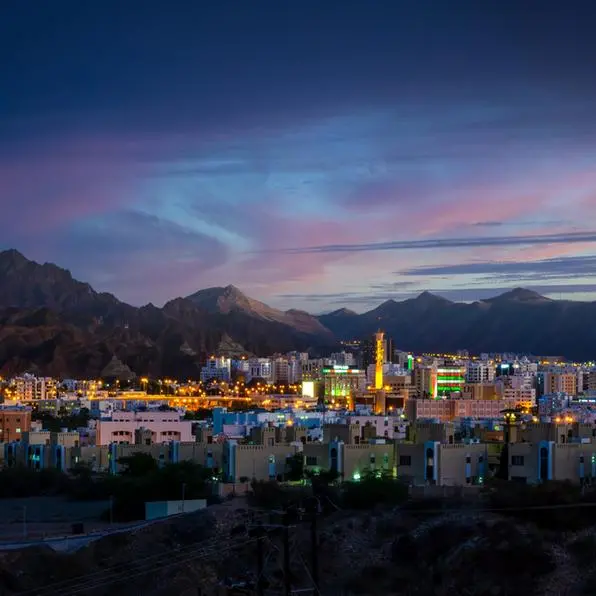
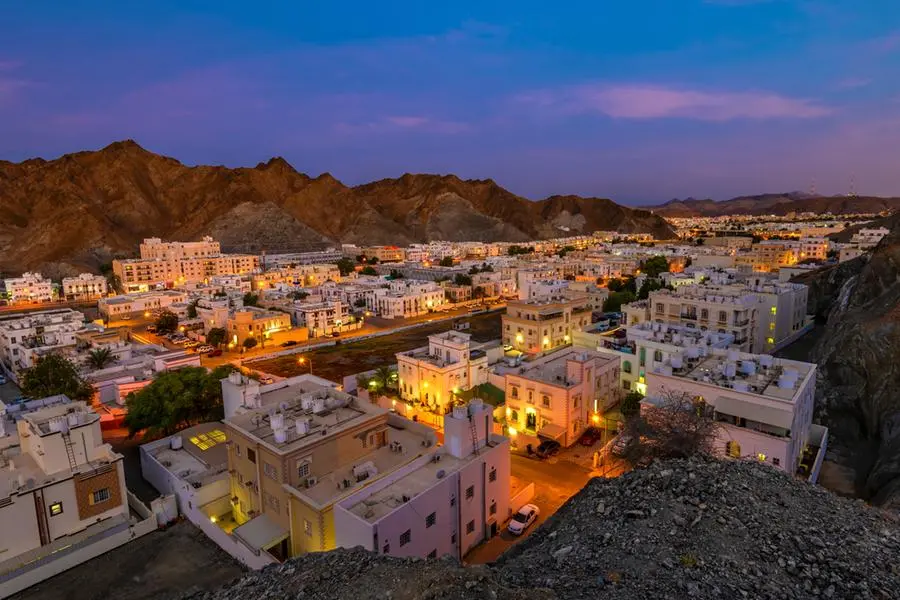
MUSCAT: A strategic framework for the sustainable development of the Wilayat of Ibri in Al Dhahirah Governorate into a regional economic and logistics hub has been completed, according to the project’s lead urban planner, Broadway Malyan.
Commissioned by the Ministry of Housing and Urban Planning, the UK-based architecture and urban design firm said the Ibri Structure Plan builds on the city’s strategic location, heritage value and mountain landscape context.
“The Ibri Structure Plan outlines a long-term vision for Ibri’s transformation into a connected, resilient and economically diverse city. It identifies clear priorities for future government investment across infrastructure, social amenities and environmental enhancement, ensuring alignment with evolving local needs and Oman Vision 2040”, Broadway Malyan said in a post.
Phil Bonds, Director of Masterplanning, added: “We led a team of specialists to develop an integrated plan that will unlock Ibri’s potential, transforming it into a centre for manufacturing, trade, logistics and agro-industries, while celebrating its unique heritage and dramatic natural setting to enhance its tourism appeal”.
Collaborating with Broadway Malyan in the delivery of the structure plan were: F&M Middle East (Project Management), Pegasys (Socio-Economics, Investment & Governance), PAL (Economy), Cundall (Infrastructure, Environment, Sustainability & Smart City), Systematica (Transport and Mobility), Chronicle Heritage (Heritage-led Regeneration), Oman Think Urban (Stakeholder & Community Engagement), SKIFT (Strategic Tourism Advice), TRM (Traffic Surveys & Assessments), Green Mawared (Agronomy & Food Security) and DG Jones (Cost Planning).
The blueprint for Ibri’s sustainable growth strategy seeks to address several existing challenges, notably its unplanned urban sprawl, which undermines its aesthetic appeal.
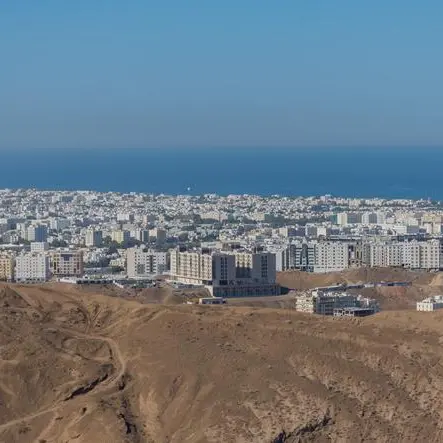
Owing to housing allocation policies over the past decades, the city has expanded some 30 kilometres beyond its historic walled origins into the mountain and desert hinterland. A structured approach is therefore imperative, especially in light of the local population’s projected growth from around 71,000 in 2024 to about 120,000 by 2040.
Other challenges targeted by the plan include Ibri’s car-dependent transport system, the impacts of climate change and largely unsustainable traditional agricultural practices. Moreover, with limited diversity in employment opportunities, many qualified Omanis continue to leave Ibri in search of jobs in major Omani cities or neighbouring countries.
According to Broadway Malyan, the new Ibri Structure Plan centres on six key initiatives: the creation of a new transport loop to support a more human-centric urban structure; the regeneration of the historic city centre; the protection of the natural skyline and mountain ridges; the establishment of a central green heart; and the integration of surrounding villages.
Leveraging its strategic location near Oman’s western border with the UAE and Saudi Arabia, Ibri will also be positioned to attract foreign direct investment into dedicated clusters for light industry and logistics, energy services and solutions, and food manufacturing. Investments in tourism, education and agro-food clusters are also proposed.
2025 © All right reserved for Oman Establishment for Press, Publication and Advertising (OEPPA) Provided by SyndiGate Media Inc. (Syndigate.info).