PHOTO
MUSCAT - In a significant boost for Oman’s ambitious green steel industry, an international investor planning a major low-carbon iron project in the Sultanate has revealed that it has secured pledges for the offtake of its entire output of Hot Briquetted Iron (HBI) — a key feedstock for steel production.
Singapore-headquartered Meranti Green Steel announced that it has signed offtake term sheets — preliminary, non-binding commitments — covering not only the first phase of its HBI output from its Oman investment, but also a potential second phase.
“Meranti has signed offtake term sheets covering 2.5 million tons per annum (Mtpa) of Hot Briquetted Iron (HBI) from its future plant in Duqm, Oman, plus a doubling of offtake in a potential Phase 2,” the company stated in a recent post, citing Meranti Founder and CEO Sebastian Langendorf.
The announcement came during Langendorf’s participation in the Fastmarkets Middle East Iron & Steel Conference, which concluded in the UAE on Wednesday.
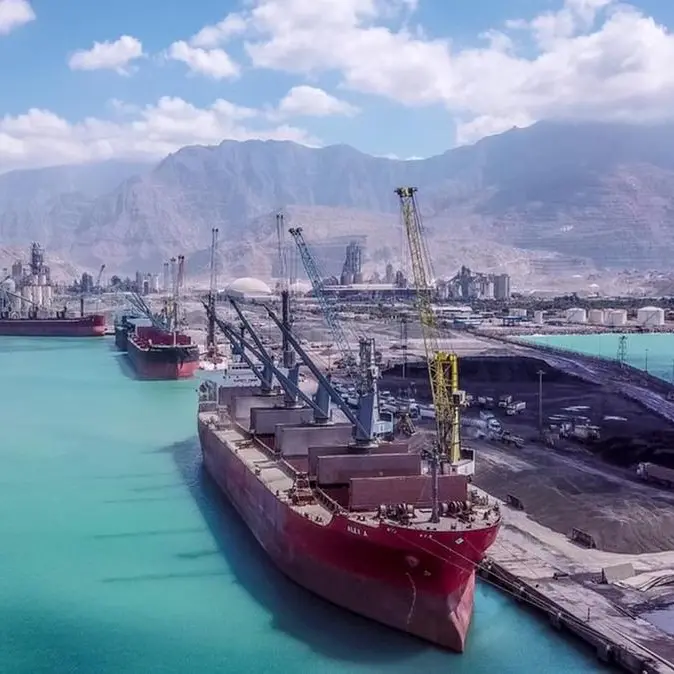
Meranti plans to establish a 2.5 Mtpa HBI plant in the first phase at the Special Economic Zone at Duqm (SEZAD). The project will be powered by a calibrated mix of natural gas and green hydrogen, with hydrogen usage progressively increased to achieve lower-carbon production. While part of the output is earmarked for Meranti’s upcoming green steel plant in Rayong, Thailand, a portion will be made available to UK steelmakers seeking low-carbon feedstock.
The company plans to make a Final Investment Decision (FID) on the Duqm project by mid-2026, with commissioning scheduled for mid-2029.
According to Langendorf, the HBI offtake term sheets send a clear market signal: “Green HBI is no longer just an idea. It is becoming a bankable, merchant input for green steelmaking.”
He further noted: “Without reliable and competitive low-emission iron feedstock, the decarbonisation of the steel industry will stall. Our greenfield, cross-border model connects future green HBI production in Oman with green steelmakers — including our own plant in Thailand — designed from day one for lower emissions and competitive cost.”
The announcement bodes well for the acceleration of a raft of green iron and steel mills planned at the Duqm SEZ, which will capitalise on the anticipated availability of green hydrogen starting around 2030.
The list includes Brazilian mining conglomerate Vale, which is planning an integrated industrial complex (Mega Hub) to produce HBI and other low-carbon iron products using green hydrogen and clean energy sources. Similarly, Kobe Steel and Mitsui & Co. have signed MoUs with Omani authorities to develop a low-CO₂ iron metallics project in Duqm.
More recently, India’s ACME Group — which is building a green ammonia project at Duqm SEZ — revealed that Oman is being weighed as a potential location for a 1.2 Mtpa DRI plant powered by green hydrogen.
To this end, ACME has signed a binding term-sheet agreement with Stavian Industrial Metal — part of a prominent Vietnam-based business group — covering the long-term sale and purchase of 0.8 Mtpa of green iron feedstock (HBI and DRI) on a take-or-pay / supply-or-pay basis for ten years.
Oman aims to position Duqm SEZ as a green industrial hub by using locally produced green hydrogen to attract hard-to-abate, energy-intensive sectors such as green steel and iron production, green aluminium, chemicals and fertilisers (including green ammonia), and advanced manufacturing that relies on low-carbon metals. These industries, traditionally difficult to decarbonise, are expected to cluster in Duqm as green hydrogen and renewable energy become available at scale.
2025 © All right reserved for Oman Establishment for Press, Publication and Advertising (OEPPA) Provided by SyndiGate Media Inc. (Syndigate.info).