PHOTO
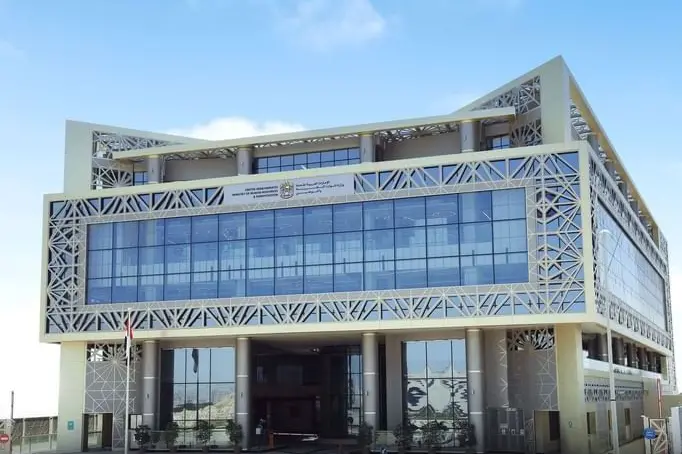
The Ministry of Human Resources and Emiratisation (MoHRE) has announced the completion of approximately 13 million transactions through automation and artificial intelligence (AI) technologies, without human intervention, from the beginning of the year until December 10, 2025.
The smart transactions covered a wide range of the Ministry’s services, marking a significant milestone that reaffirms its steady progress in integrating AI technologies across all operations. This aligns with Phase Two of the Zero Government Bureaucracy (ZGB) programme, supporting digital service transformation, enhancing the UAE labour market's competitiveness, and contributing to 'We the UAE 2031' vision.
The Ministry employs a sustainable approach to developing services by optimally utilising AI solutions, leveraging its digital infrastructure and readiness, and enhancing the skills of the workforce to manage smart automation efficiently. This is supported by electronic integration with government partners, facilitating ease of business and meeting customer expectations for fast, seamless, round‑the‑clock services.
In a related context, the Ministry uncovered the outcomes of its AI-powered system for work permit quotas for establishments, which supports business growth by streamlining transactions and proactively allocating quotas based on individual establishment needs and operational status, effectively meeting their workforce demands.
The upgraded system reflects the Ministry’s ongoing commitment to deploying advanced digital and AI solutions across all operations to achieve operational excellence, facilitating data‑driven decision‑making, and addressing potential challenges such as time constraints, human error, and ineffective data utilisation.
Since the beginning of the year until October, the system has granted around 900,000 quotas to establishments and processed over 11 million transactions through automation and AI.
The upgraded system has reduced human effort by 56%, automating procedures for approximately 175,000 requests out of 310,000 between February and October. It has also shortened the time required for reviewing and approving additional quota requests that do not require human intervention by up to 99%, reducing the completion time from 10 days to just one second. This enhancement contributes to the accuracy of outcomes delivered by automation projects.
The system automatically grants initial quotas to establishments, using AI to verify their eligibility and approve quota requests according to their needs. For additional quotas, the system deploys predictive models to anticipate requirements and automatically approve some requests. If the AI determines that the quotas are insufficient, the issue is referred to the relevant committee.
The system also features self‑learning capabilities, which allow it to continuously improve its decision-making process. By analysing new data and reviewing operational patterns of establishments, it refines its expectations and determines needs more accurately. Over time, this enhances the quality and precision of the system’s outputs.