PHOTO
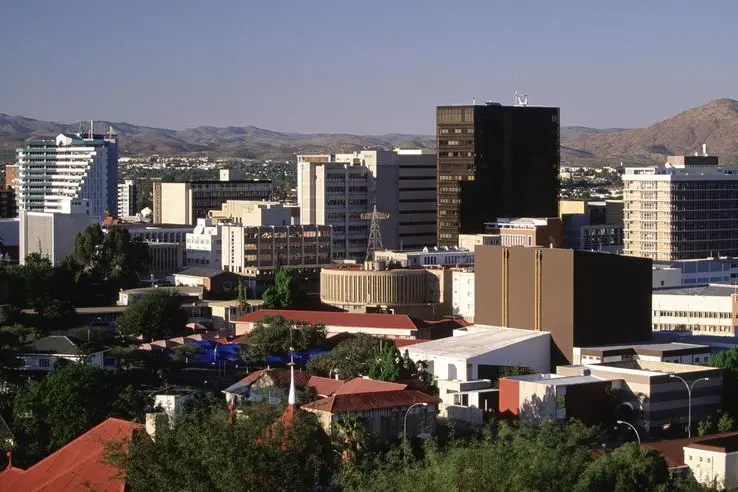
WINDHOEK - Namibia's central bank kept its main interest rate unchanged at 6.50% on Wednesday, saying the outlook for economic growth and inflation had worsened due to the spillover effects of the Iran war.
It was the third meeting in a row the Bank of Namibia has maintained its repo rate.
Annual inflation slowed to 2.1% in March, down from 2.4% in February and hitting its lowest level since 2020, though it is expected to pick up in the months ahead.
In an effort to cushion the impact of the global energy price surge triggered by the U.S.-Israeli war against Iran, the Southern African country's government cut fuel levies by 50% for at least three months until the end of June.
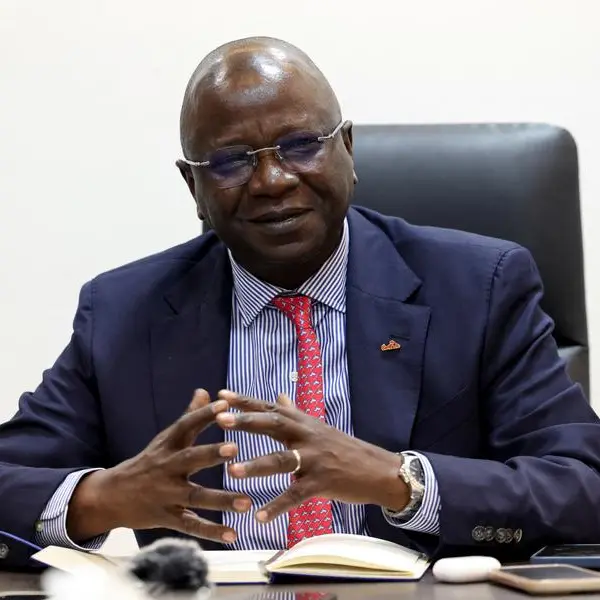
"Risks to the domestic inflation outlook remain tilted to the upside, notably through potential increases in administered prices, exchange rate volatility, and the spillover effects of the prolonged war in the Middle East," Central Bank Governor Ebson Uanguta told a press conference.
Inflation is expected to average 3.7% this year, higher than the 3.5% forecast given at the bank's last policy meeting in February.
Earlier this month the central bank lowered its economic growth forecasts for this year and next, citing a weaker-than-expected performance of primary industries, especially metals and diamond mining.
Namibia's monetary policy decisions typically mirror those of its neighbour South Africa, as the two countries' currencies are pegged one-to-one and their economies closely linked.
South Africa's central bank kept its key rate at 6.75% at last month's rate-setting meeting.