PHOTO
On June 22, 2026, Kenyan lawyer, rights activist and former justice minister Martha Karua arrived at Entebbe International Airport to join the defence team for Uganda’s detained opposition figure, Kizza Besigye. She got no further. Security agents intercepted her, confiscated her communication devices and bundled her on a plane back to Nairobi.
The Ugandan government said the move was necessary on “national security grounds” (there goes that catch-all excuse again). In reality, it shut out external legal scrutiny at a sensitive stage of Besigye’s defence.
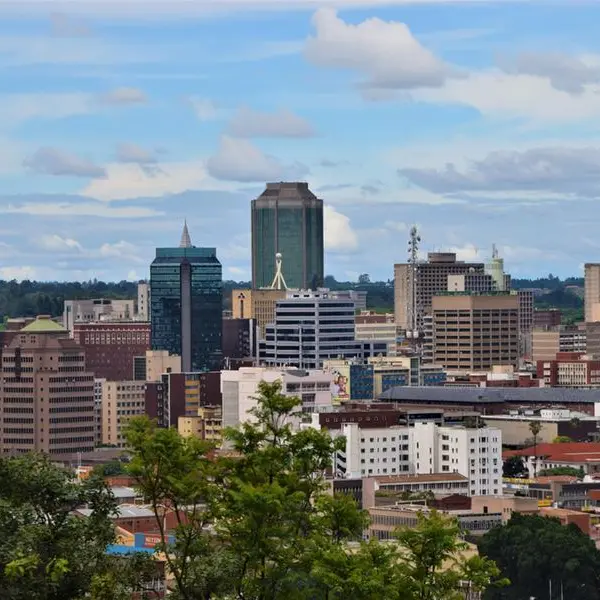
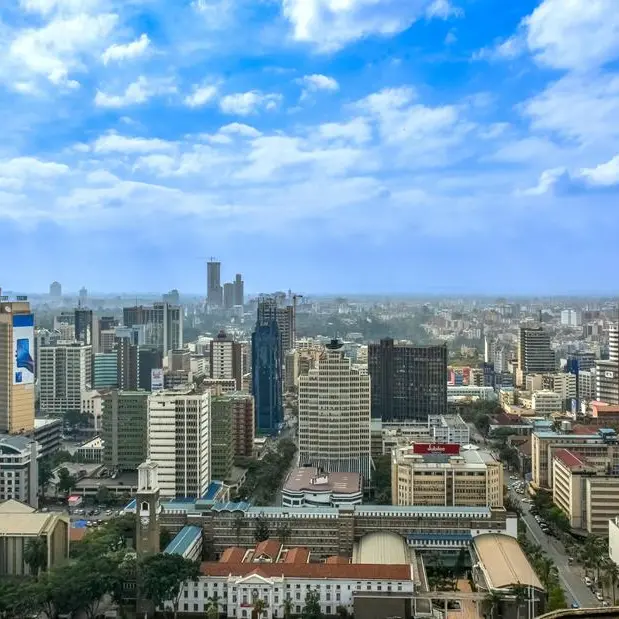
The high-profile expulsion also pointed to a broader regional shift. The misery of others is steadily turning Kenya into the centre of gravity for East African civil society and legal advocacy, a “Democracy Central”, albeit one with its own warts.
As several East African Community states tighten restrictions on political dissent, independent journalism and non-governmental organisations, Kenya’s relatively open environment is attracting activists, lawyers and watchdogs.
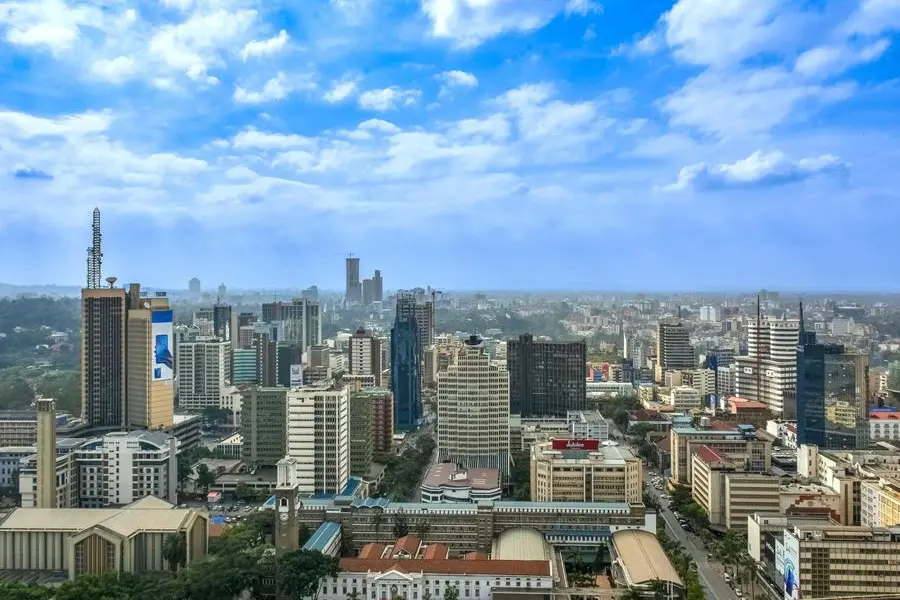
Nairobi, already the region’s commercial nerve centre, is assuming another role as a refuge and operating base for cross-border legal defence, environmental monitoring and human rights campaigning.
The pattern is most visible around the East African Crude Oil Pipeline (Eacop). The multibillion-dollar project aims to extract oil from Uganda’s Albertine Rift and transport it to the Tanzanian port of Tanga. Intensifying crackdowns on environmental activism in Uganda and Tanzania have pushed several advocacy groups to shift their main operations to Kenya.
Pipeline politicsHuman Rights Watch and the International Federation for Human Rights (FIDH) have documented raids on NGO offices, frozen bank accounts and the arrest of more than 80 environmental and student activists in Uganda on broad charges such as “common nuisance”.
Nairobi now hosts coordination offices for organisations challenging the pipeline. Natural Justice runs its regional legal strategy from Kenya, bringing cases before the East African Court of Justice and pressing for transparency and compliance with international environmental standards.
GreenFaith Africa operates from Nairobi, mobilising faith networks on environmental stewardship and holding press briefings that would carry greater risks in Kampala or Dar es Salaam. The StopEACOP Coalition uses Kenya’s telecommunications infrastructure to run international advocacy campaigns targeting global banks and insurers.
The result is an unusual situation. Much of the organised criticism of a Ugandan and Tanzanian infrastructure project is coordinated and amplified from Kenyan soil.
Nairobi has become a clearing house for regional environmental data and a launch pad for litigation and opinion that governments in Kampala and Dodoma would rather not confront. That concentration of civic activity is testing regional relations and fuelling cross-border tensions.
Nairobi megaphoneDuring Tanzania’s violent October 2025 election, internet shutdowns and communications restrictions pushed opposition figures and digital activists to run information campaigns from Kenyan servers.
Nairobi effectively became the newsroom for Tanzania’s opposition, with hashtags and election tallies reaching global audiences through Kenyan infrastructure. Dar es Salaam accused “external platforms and hostile elements” based in Kenya of stirring unrest. The episode showed us how quickly domestic political disputes now spill across borders in a digitally connected East Africa.
The security face of this emerged sharply on October 1, 2025, when two Kenyan activists, Bob Njagi and Nicholas Oyoo, disappeared after attending a political gathering in Uganda hosted by opposition leader Robert Kyagulanyi.
The men, linked to the Free Kenya Movement, were held without charge or legal representation for more than a month. President Yoweri Museveni publicly said they were being kept in military facilities for allegedly trying to coordinate youth protests and export civil unrest into Uganda. In a radio address, he described their confinement in colloquial terms as being “in a freezer,” a phrase that attracted widespread attention.
The East African Community promotes the free movement of goods, capital and labour. It never anticipated the free movement of political activism or the surveillance that would follow. Security agencies across the region now work more closely together, sharing intelligence and using immigration controls to monitor and restrict politically sensitive individuals.
Integration faultlineCivil society groups fear that an informal cross-border enforcement network is emerging to squeeze democratic space. The growing strain exposes a fault line in the integration project.
Regional unity cannot rest only on shared infrastructure, harmonised tariffs and economic agreements. It also depends on broadly compatible standards for judicial independence and the rule of law. When one state accommodates dissent while a neighbour suppresses it, friction is unavoidable.
There is also a mercantile angle. The movement of dissidents, exiles, and campaign offices is not only a human rights story; it is also an economic one.
Activists and relocated NGOs demand services (legal firms, communications hubs, consultancy, and rented accommodation) so that regional repression concentrates high-value human capital and corporate headquarters in Nairobi. From a purely capitalist view, political friction acts as a market consolidator for Kenya.
That consolidation helped attract $2.8 billion in foreign direct investment (FDI) to Kenya in 2025, solidifying Nairobi’s status as East Africa’s financial hub.
When neighbouring states expel their troublesome citizens and organisations, they do Nairobi a favour: They funnel talent, money and influence straight into Kenya’s pockets. In the short term, suppressing dissent may secure domestic calm; in the longer term, it bankrolls a rival capital.
Repression has become a revenue stream for Nairobi; money that should have stayed invested at home now fattens a neighbour’s coffers. Will regional leaders notice this perverse arithmetic before it’s too late, or will they keep exporting their critics and, unknowingly, underwriting Nairobi’s further rise?
© Copyright 2026 Nation Media Group. All Rights Reserved. Provided by SyndiGate Media Inc. (Syndigate.info).