PHOTO
As the “mother" of mobile money, Kenya had long maintained a commanding lead over Nigeria in the evolution of mass-market instant payments. But last year the West African nation dramatically shifted the balance, significantly increasing the value moved through its real-time payment systems.
With more than 200 percent of its Gross National Income (GNI) transacted through instant payment systems, Kenya has for years been the continental leader in both the volume and value of real-time payments across banks and mobile money platforms.
Instant payments are transactions that move money from one account to another in real time, with funds reflecting within seconds and becoming immediately usable by the recipient. They run through both banking channels and mobile money systems.
Last year, Kenyans moved value equivalent to 242 percent of the country’s GNI on instant payment platforms including the inter-bank system Pesalink and the mobile money system, a slight drop from 262 percent in 2023, according to the latest State of Inclusive Instant Payment Systems in Africa report by the AfricaNenda Foundation, a Pan-African financial inclusion think-tank.
The value of transactions routed through its instant payment systems reached 403 percent of GNI, marking a major leap in the country’s real-time payments landscape.
In 2023, the Nigeria Inter-Bank Settlement System (NIBSS) processed value equivalent to just 98 percent of GNI. While this value excluded mobile money and the then newly launched eNaira, the total value was still estimated to fall well below Kenya’s levels.
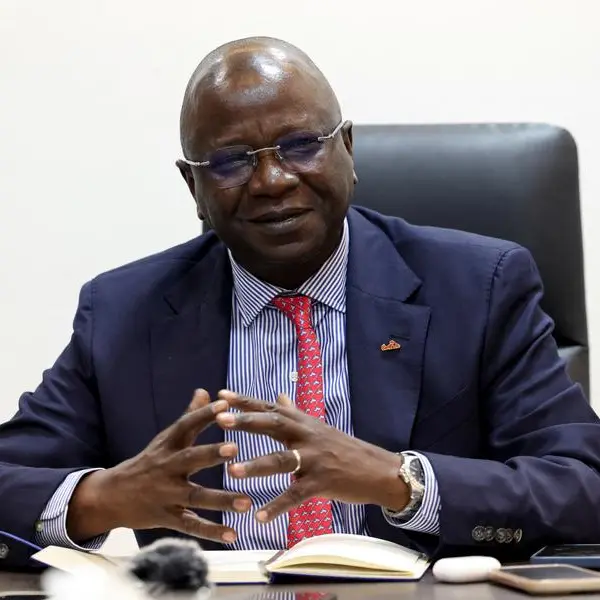
Values exceeding 100 percent of GNI were last year only recorded in Nigeria, Kenya, Uganda and Tanzania, reflecting the central role instant payment systems now play in their economies.“The more the percentage, the more the value is being processed through instant payment systems, indicating its relative value to the economy,” said Sabine Mensah, AfricaNenda deputy CEO and one of the report’s authors.
Beyond the eNaira and digital payments gaining traction, Nigeria’s surge is also attributed to regulatory reforms, rapid uptake of digital financial services and the expansion of bank-led payment infrastructure, Ms Mensah noted.“From 2023 to 2025, there have been great changes in Nigeria. The last four years has seen consistent investments into the ecosystem and there has also been more interoperability with the non-banks, which has enabled even more transactions into that ecosystem,” she told The EastAfrican in an interview.“Investment into instant payment systems can really translate into gains and financial inclusion that we can see at a country level.”This year, NIBSS became the first African instant payment system to reach inclusivity maturity status, meaning it supports expanded use cases, is highly interoperable with a wide range of players including fintechs, and offers low costs for end users.
The Central Bank of Nigeria has aggressively promoted cashless transactions, while commercial banks have invested heavily in platforms that support high-value instant transfers.
This fuelled a surge in real-time digital activity, contrasting with Kenya’s more mature ecosystem where growth has stabilised after years of widespread mobile money adoption.
Kenya’s mobile money instant payment system is currently at the basic level of inclusivity maturity, with only minimal channel and use-case versatility. This makes it costly for end users and difficult to integrate with other payment systems.
Kenya’s inter-bank payment system, Pesalink, was not ranked due to insufficient data.“Kenya has always led in mobile money and digital payments. There is an opportunity for it to decide, from an instant payment perspective, what is their journey,” said Ms Mensah.
According to her, ensuring that instant payment systems are cross-domain and interoperable across banks, mobile money, fintechs and other platforms is the key driver of mass adoption.“When these instant payments are cross-domain and they are enabling interoperability, they provide the highest opportunity to expand, deepen financial inclusion and contribute to economic growth at a country level,” she said.
© Copyright 2022 Nation Media Group. All Rights Reserved. Provided by SyndiGate Media Inc. (Syndigate.info).