PHOTO
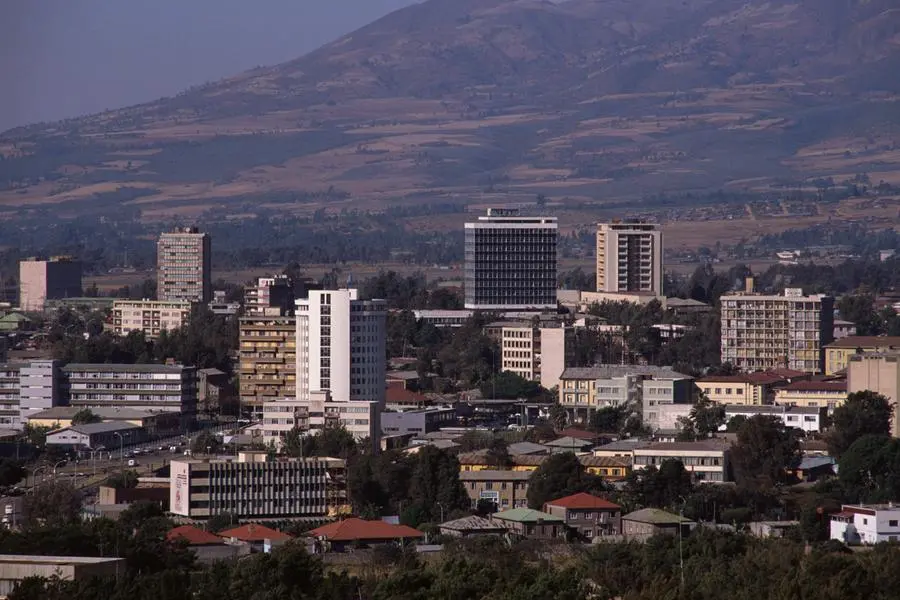
The National Bank of Ethiopia (NBE) has held its benchmark lending rate at 15 percent for a sixth consecutive meeting, signalling a continued tight monetary stance as global oil prices surge amid Middle East tensions.
The central bank’s Monetary Policy Committee (MPC) said maintaining the current rate was necessary to contain inflation risks, despite a recent slowdown in price growth.
Crude oil rose to $104.79 per barrel on March 31, 2026, up 1.86 percent day-on-day, according to TradingEconomics. The increase has been linked to the continued closure of the Strait of Hormuz, a key chokepoint handling 20 percent of global oil supply and 30 percent of maritime trade.
The price spike comes as geopolitical tensions intensify, with the United States and Israel escalating air strikes on Iran. US President Donald Trump has threatened to target Iran’s oil export infrastructure if a ceasefire deal is not reached.
For Ethiopia, a net oil importer, higher fuel costs risk feeding into domestic inflation, testing recent gains.
Policy holdEthiopia adopted an interest rate-based monetary framework in July 2024, with the National Bank Rate (NBR) as its primary policy tool. The inaugural rate of 15 percent has remained unchanged across six MPC meetings.
Short-term market rates show mixed signals. The 91-day Treasury bill yield fell to 12.4 percent in February 2026, from 15.2 percent a year earlier, supported by broader investor participation.
By contrast, the seven-day interbank rate rose to 17.9 percent from 16.5 percent, indicating persistent liquidity pressures in parts of the banking sector.
The MPC said the sector remains broadly stable, with low non-performing loans and adequate capital buffers, although some banks face liquidity constraints due to high loan-to-deposit ratios.“The introduction of an interbank money market and a Standing Lending Facility at the NBE has significantly helped to alleviate short-term liquidity challenges,” the committee said.
The economy continues to expand, with real GDP growth estimated at 9.2 percent in the 2024/25 fiscal year, up from an average of 7.5 percent over the past eight years.
Services contributed 3.1 percentage points to growth, while industry rose to 3.7 percent from 2.7 percent, driven largely by mining and quarrying.
© Copyright 2026 Nation Media Group. All Rights Reserved. Provided by SyndiGate Media Inc. (Syndigate.info).