PHOTO
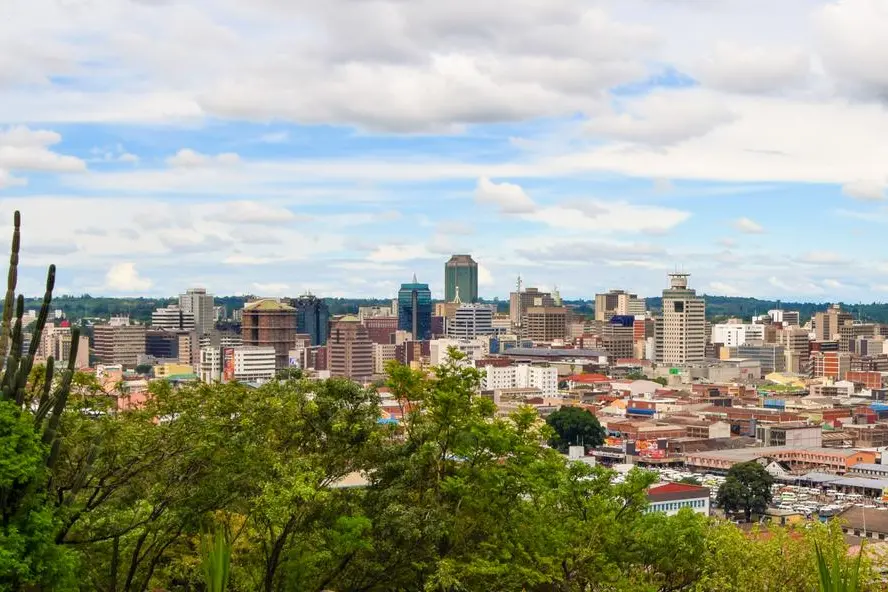
Global lenders have frozen Zimbabwe’s debt restructuring talks, citing the government’s failure to pay $3.5 billion in compensation owed to victims of historical land seizures.
The compensation deal, agreed in 2020, remains unsettled and has become a key condition for re-engagement. Creditors insist that Harare must resolve land reform grievances alongside economic and governance restructurings before talks can resume.
The debt relates to former landowners evicted in the early 2000s under a controversial programme that allowed the State to seize farmland and order owners to vacate immediately. In July 2020, the government and farmers reached a compensation deal for land improvements, but payment disputes persist.
”Creditors have made clear that economic reforms, progress under IMF Staff Monitored Programmes, political-governance reforms, and resolution of land compensation remain prerequisites for talks.
Zimbabwean authorities say they remain committed to re-engagement under the Structured Dialogue Platform, having hired advisers to craft an updated debt restructuring plan.
But the IMF still classifies the country as being in “external and overall debt distress,” with arrears to multilateral and bilateral creditors blocking access to concessional financing.“Zimbabwe has limited access to official financing, and its path to debt relief is uncertain,” the IMF warned.
The lender urged Harare to enforce fiscal discipline, clear arrears to multilateral creditors, and strike agreements with bilateral and commercial lenders for comprehensive treatment of its $23.3 billion debt stock.
By end of 2024, external arrears had reached $7.4 billion—owed mainly to Paris Club creditors (53 percent) and multilateral lenders (35 percent). Arrears to non-Paris Club creditors now make up 11 percent of the total, while arrears to commercial creditors stood at $47.4 million. The government has also suspended servicing $425 million in domestic debt obligations in 2025.
Although Zimbabwe cleared arrears to the IMF’s Poverty Reduction and Growth Trust in 2016, balances to other multilaterals keep rising: $1.5 billion to the World Bank, $657 million to the African Development Bank, and $418 million to the European Investment Bank by end of 2024. Arrears to commercial creditors are estimated at $47.4 million.
Zimbabwe’s total public and publicly guaranteed debt stood at $23.3 billion (72.9 percent of GDP) at the end of 2024, with external debt stock at $16.7 billion (52.5 percent of GDP).
To signal goodwill, Zimbabwe resumed token payments in 2021, remitting $50.6 million in 2024 to multilateral, Paris Club, Chinese, and other creditors. It also launched a high-level Structured Dialogue Platform to coordinate with donors and creditors.
Yet land compensation remains the biggest obstacle. Of the $3.5 billion package agreed with 1,300 former landowners, many rejected the government’s proposed repayment schedule. Some are negotiating individual compensation deals through US Treasury bonds with two- to 10-year maturities.
© Copyright 2022 Nation Media Group. All Rights Reserved. Provided by SyndiGate Media Inc. (Syndigate.info).