PHOTO
As Saudi Arabia races to meet its Vision 2030 targets and competition builds for local bank liquidity, HSBC, a long-standing player in the kingdom’s funding landscape, says it may be time to actively explore alternative financing tools such as project bonds and securitisations.
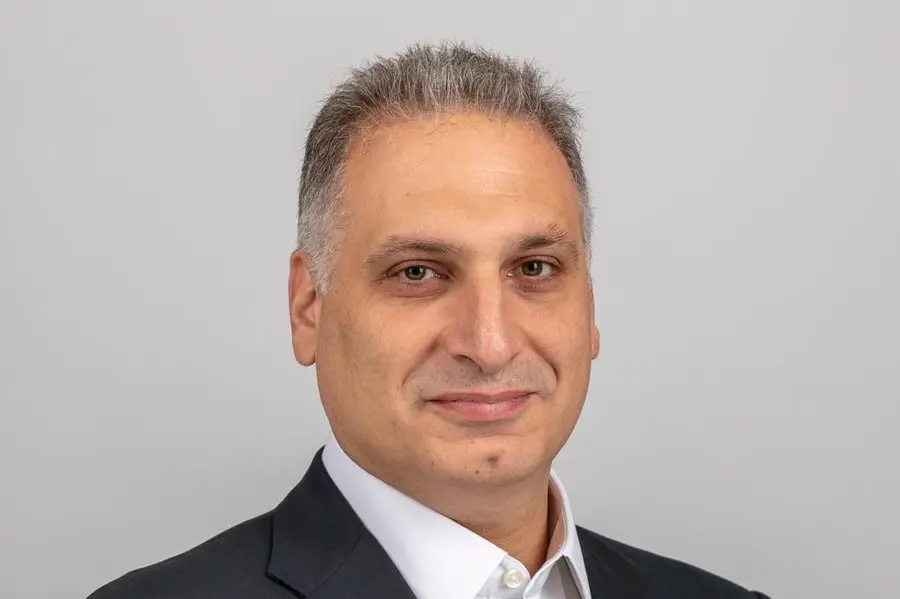
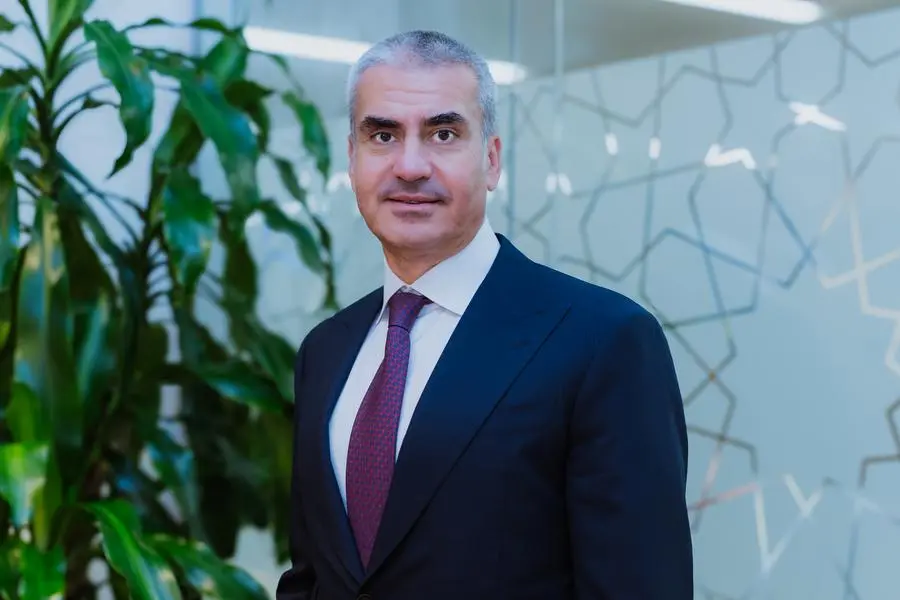
“Going forward, Saudi Arabia will need alternative sources of funding to continue on this ambitious transformation plan. One option could be specific project bonds, which rather than being financed by the loan market, can be introduced to the capital markets, where investors can gain exposure,” Selim Kervanci, CEO, Middle East North Africa and Turkiye, told Zawya in an exclusive interview.
Project bonds are issued by the project company, often an SPV, for long-term capital for a specific project. Investors are usually repaid from the cash flows generated by the project itself rather than the parent’s company’s balance sheet.
“We haven’t seen project bonds in the Middle East yet, likely due to construction and completion risks. But as major projects near completion and begin generating cash flow, structuring project bonds could become viable and help free up bank lending capacity for future developments,” Kervanci said.
The kingdom says its $2 trillion Vision 2030 transformation is 85 percent complete, pushing back against claims that it is hitting pause.
While the $500-billion-plus futuristic megacity NEOM remains the kingdom’s flagship project, it is expected to undertake nearly 18,000 projects in the coming years to support Vision 2030. These initiatives, worth trillions of riyals, span sectors such as infrastructure, transportation, energy, and aviation.
Analysts estimate that Saudi Arabia will borrow around $55 billion in 2025 and $57 billion in 2026, as Riyadh anticipates budget deficits through 2027 and oil prices may remain below 2024 levels.
HSBC has been leading the ECM and DCM league tables in MENAT for the past four years. Year-to-date, HSBC has participated in 41 of the kingdom’s ECM and DCM transactions, totaling over $77.8 billion.
MENA debt capital market issuance volume jumped jumped by 27% to $125.9 billion, the highest nine-month tally on record, according to data from the London Stock Exchange Group.
HSBC advised the Saudi Real Estate Refinance Company, a PIF entity, on the kingdom’s first-ever residential mortgage-backed securities, reflecting the continued development of Saudi Arabia’s regulatory landscape. By opening new routes of capital, such moves improve liquidity to the advantage of both local lenders and global investors.
“We need to structure more of these transactions not just for the local market but in a way that also attracts international investors,” Kervanci said.
In the wider MENAT region, he added, HSBC is ramping up efforts to educate clients, who usually prefer loans, on capital markets solutions by structuring new types of transactions.
The bank is also working closely with regulators to ensure the legal and regulatory framework supports these products. Kervanci noted that the structures must be bankable and aligned with the risk appetite of international capital markets investors.
“It’s normal for large local projects to go to the loan market due to more favorable pricing. But capital markets investors don’t have ancillary business opportunities, so their pricing may carry a premium. That’s a natural evolution, and we’ve seen it in other markets,” he said.
HSBC, which has a natural edge in Asia, is leveraging its regional strength to attract investors for projects in the Middle East. “We’re actively engaging Asian investors on opportunities in the region, and we’re seeing significant interest in Middle East assets,” Kervanci said.
Sector hires, strategic bets
HSBC has been doubling down on its investment banking activities in the Middle East and Asia following its exit from key businesses in Europe and the US. Its focus will increasingly be on the Middle East and Asia for M&A and ECM while continuing to invest for DCM in the UK, US, and Europe as well.
“We will continue investing in our capital markets advisory capabilities in the [MENAT] region. We have moved people to the region in the product capability and the M&A space,” Kervanci said.
The bank has promoted senior bankers at MD level and also done some external hires to improve capabilities in some of the sectors it thinks will play an important role in its regional growth.
“We are investing in sectors rich in opportunities. Right now, we are investing in technology, infrastructure, oil and gas and telecom,” he added.
(Reporting by Seban Scaria seban.scaria@lseg.com; editing by Daniel Luiz )