PHOTO
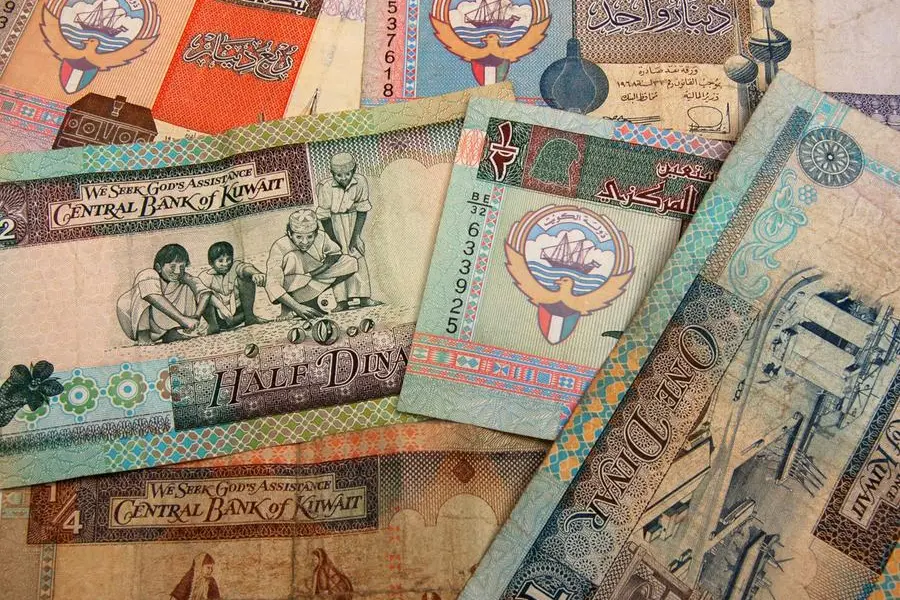
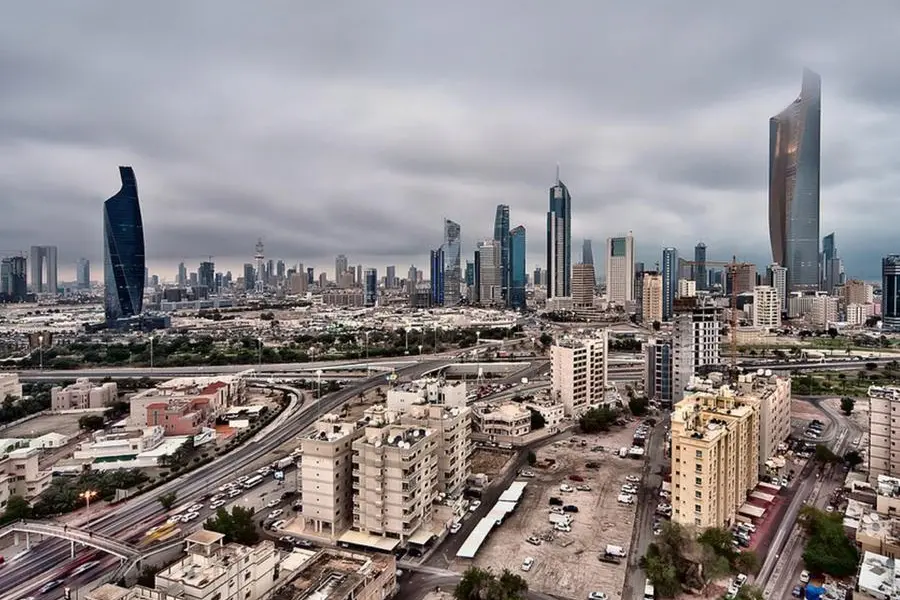
Kuwait is likely to tap international debt markets again in 2026 following last week’s $11.25 billion raise through a three-tranche bond sale, marking the Gulf state’s first dollar bond sale in eight years.
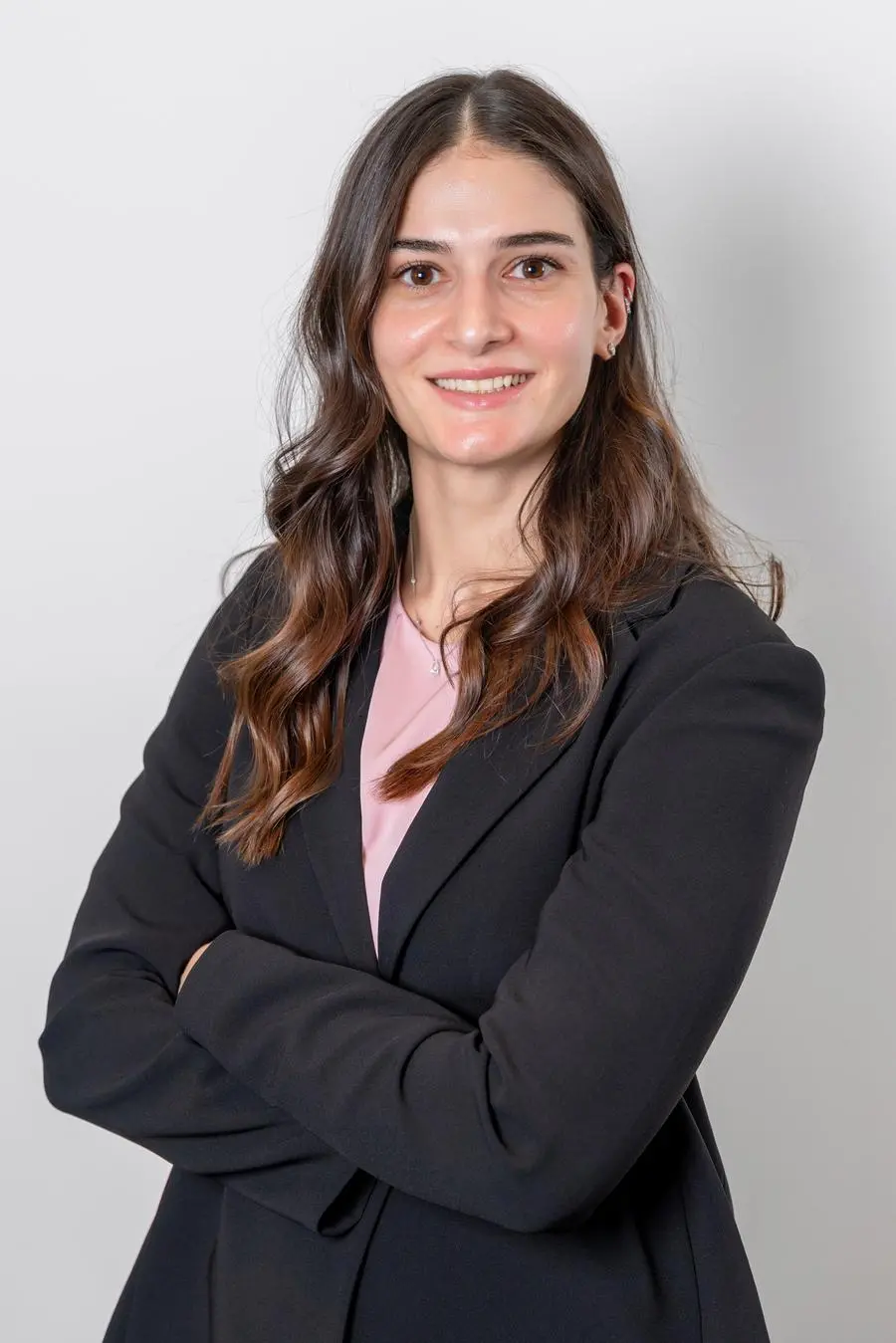
“If you go on the ground in Kuwait, you can see projects picking up pace, which means there will be requirements for funding. Plus, they have been clear with investors they want to make capital markets a sustainable funding source for them,” Nour Safa, Managing Director, Head of MENA Debt Capital Markets at HSBC, told Zawya. The bank was one of the Joint Lead Managers and Bookrunners on the bond sale.
Kuwait’s new debt law, which gained approval in March, allows the government to borrow up to $99 billion over 50 years to finance budget shortfalls and infrastructure projects.
In June, officials indicated that the Gulf state could borrow between $10 billion and $20 billion during 2025–2026 to cover fiscal deficits.
The Gulf state’s fiscal deficit is projected to widen to 7.8% of GDP in 2025/26, primarily due to lower oil revenue and the public debt law could further support the country’s economic recovery in the long run, according to the IMF.
“I think they have created the debt law for a reason. Kuwait is undergoing a transformation, and the government is looking at diversifying its economy,” Safa said, adding that the bank received multiple reverses from asset managers and regional accounts that were keen to invest.
Kuwait’s debt sale, starting with a “massive demand”, which saw the orderbook cross $28 billion at peak.
“They also achieved one of the tightest spreads ever for an Emerging Market sovereign issuer,” Safa noted. The three-year tranche raising $3.25 billion at +40 basis points (bps) over US Treasures, the five-year raised $3 billion at +40bps, and the 10-year raising $5 billion at T+50bps.
“Kuwait managed to attract a very diverse orderbook. If you look at the aggregate allocation, 67% went internationally. Looking at the MENA region allocation (33%), most of it was allocated to investors outside Kuwait,” Safa added.
Investors eyeing Kuwait
According to the bank, the investor profile on the three- and the five-year tenors saw a lot of real money asset managers come in on the on the three-year, as well as high-quality central banks and pension funds.
“The five-year is a more diverse orderbook, but the 10-year is where it kind of shifts. In the case of Kuwait, the orderbook was the highest on the 10-year, with a lot of investors from the UK and Europe, drawing in a lot of demand from asset managers,” Safa explained, adding that the US exposure on the10-year was smaller than on the three- and five-year tenors.
Kuwait’s debt sale also drew a lot of initial interest from Chinese banks and funds in the UK, in the US, Safa said.
While demand from Asia was largely uniform across the 3- and 10-year tranches but higher on the 5-year, Safa added that there has been a “marked increase” from Asian investors this year.
Asia accounted for 20% of demand for the five-year tranche, the highest share among the three tenors.
“When HSBC did the Saudi trade, we had around 30% allocated into Asia. Asian investors in the past had been focused primarily on their local or regional, APAC investments. With the recent real estate and property developer challenges in China, they have started diversifying away, and MENA has benefitted from this,” she explained. “In recent months, they have also started diversifying away from US investments.”
Safa also dismissed any risk element for investors with Kuwait’s debt raise.
“On the back of a constructive road show and very good attendance from high quality investors, we did not feel there was a lot of risk involved,” she said. “They had been verbalising raising $8 billion to $9 billion, and then they were able to achieve $11.25 billion; the scarcity value for the bonds allowed them to tighten pricing quite well.”
(Reporting by Bindu Rai, editing by Seban Scaria)