KUWAIT: The Ministry of Commerce and Industry is dissatisfied with recent hikes in prices of goods in the Kuwaiti market and promised measures against uncalled for and illegal hikes in prices of commodities.
Ministry Acting Undersecretary Hamad Al-Ghanem yesterday said the ministry is alarmed at the increase in prices with the holy month of Ramadan, expected to begin Sept. 13, and its inspectors are monitoring pricing and penalizing illegal hikes. The official had the remarks as he opened the food fair at Mishref International Fair Grounds, which lasts till September 12, and noted inspectors were directed to tour coops and other places where food products are sold to monitor pricing.
On the fair and how it affects prices, the official said this is a chance for consumers to choose from a wider range of products and prices. It is a great opportunity as over 80 companies vie for customers' attention and as products related to food are also on offer, such as packaging and storing material and equipment, he concluded. Demand for food material in general and specific goods go up annually ahead of and during the holy month of Ramadan.
Meanwhile, a study by the Chamber of Commerce and Industry indicated that the rise in prices is caused by a number of foreign and local factors that have nothing to do with businessmen and importers. Ahmad Al-Haroun, Director General of the Kuwaiti Chamber of Commerce and Industry said the study said inflation is not only evident in Kuwait but also exists worldwide.
The Chamber of Commerce, however, is aimed primarily to promote the interests of business not consumers in Kuwait. Al-Haroun blamed price hikes on a variety of factors from shipping costs to exchange rates. The profit margins for Kuwait companies, however, was not discussed.
According to statistics by the Ministry of Planning, inflation averages in the Kuwaiti economy between 2000-2004 remained within 1.3 percent as the highest limit but it increased by 4.1 percent at the end of 2005 then retreated to three percent at the end of 2006 to increase once again by 4.8 percent during the first five months of 2007. But these are averages. Inflation is especially noticeable during Ramadan, when food prices rise dramatically.
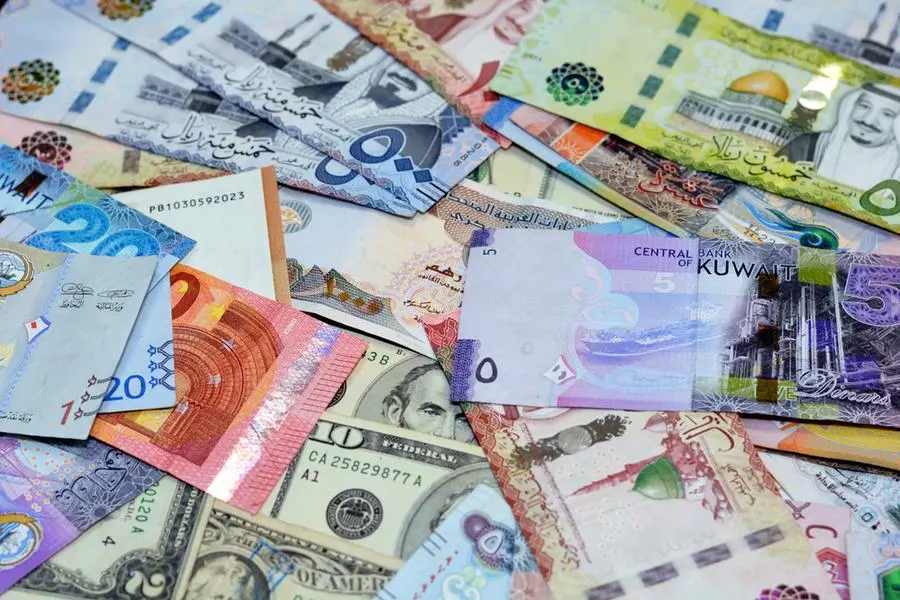
Al-Haroun pointed a finger at exchange rates, adding that the past few years witnessed a hike in the exchange rate of foreign currencies, specifically the euro, the sterling pound and the Japanese yen against the US dollar and therefore against the Kuwaiti dinar which remained linked to the US dollar until May 2007.
He said a large part of Kuwaiti imported commodities are from countries which its currencies have greatly increased against the Kuwaiti dinar and for example has led to the drop in the price of the dinar by 9.8 percent in 2006 against the euro and 12 percent against the sterling and had lead the cost imports to increase by 25 percent from European Union countries and 19 percent from the United Kingdom. He said this matter led the Central Bank of Kuwait (CBK) to re-peg the dinar to a basket of currencies on May 20. Al-Haroun expects the decision by CBK to decrease the average of inflation after a period of time.
However this doesn't explain why food and other consumer good prices tend to rise during the holy month of Ramadan. There are no currency fluctuations that track solely with this month, which changes from year to year.
He said the price of imported commodities into Kuwait witnessed a great increase in the past few years due to the rise of its initial material including gas and oil. Data from the International Monetary Fund (IMF) said the prices of minerals have increased during the period between 2000-2006 by 180 percent and the price of oil increased by 157 percent. Al-Haroun said another factor which greatly affected the prices of imported merchandise is the rise in the cost of shipping and transportation which has increased due to the rise of fuel prices.
On the local factors that lead to the inflation, he said the rise in local liquidity which witnessed in the past few years an evident growth as a result of high oil revenues. According to CBK sources, local liquidity continued its rise during the past four years in an average of 7.8 percent in 2003, 10.9 percent in 2004, 12.3 percent in 2005, 21.7 percent in 2006.
Another local factor is the increase in custom fees by five percent in accordance to the GCC unified system in 2003, Al-Haroun added. He said before the unified system came into effect, in Kuwait imported foodstuff items were exempted from custom fees and the total of other fees were within four percent. Other local factors include fees on logistic services and high storage fees that in return affected prices, he added.
© Kuwait Times 2007