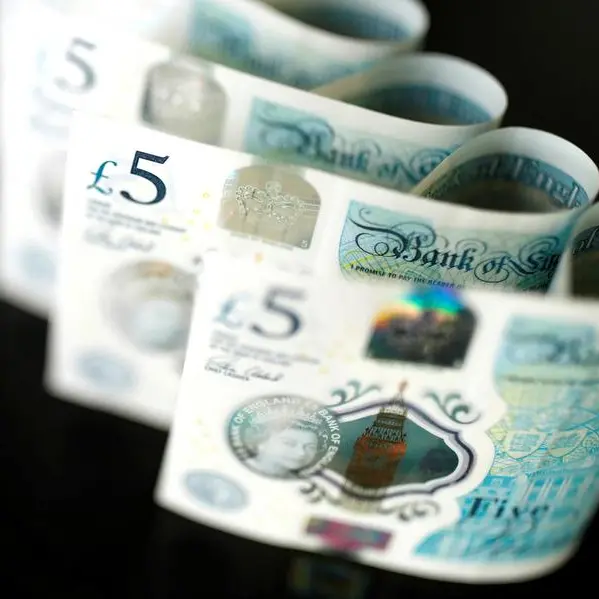
PHOTO
HONG KONG - The dollar steadied against other major currencies on Friday, but was on track to end the week lower after sources said that the U.S. and Iran had reached an agreement to extend their ceasefire and lift restrictions on shipping through the Strait of Hormuz. The deal, still pending U.S. President Trump's approval, would extend the truce for another 60 days and allow traffic to flow through the strategic waterway while negotiators tackle difficult issues such as Iran's nuclear programme, four sources told Reuters.
The dollar benefited at the outbreak of the war, given its status as a safe haven and the limited exposure of the U.S. to imported energy-price inflation. It was heading toward ending this week 0.3% lower, snapping two weeks of gains, on signs a ceasefire deal may be close.
Those signs also sent Brent crude oil futures down for a third day and on track for their second weekly decline of at least 8%.
"In the near term, you'll likely see a weaker dollar," said Kirstine Kundby-Nielsen, senior analyst at Danske Bank.
Longer term, the dollar should strengthen against the euro given the relative growth trajectory between the U.S. and the euro zone, expansionary U.S. fiscal policy, underlying inflationary pressures related to AI and a resilient U.S. labour market, Kundby-Nielsen said.
The euro traded flat at $1.1643, while the pound was down 0.2% against the dollar at $1.3418. The Australian dollar was steady at $0.7160. The New Zealand dollar rose 0.4% to $0.5963, its strongest level in more than two weeks, extending a recent rally after the country's central bank governor signalled earlier and steeper rate hikes were likely.
The dollar index, which measures the greenback against a basket of currencies, was trading in a narrow range near 99. It dipped 0.2% on Thursday and was down 0.3% for the week. Data on Thursday showed U.S. inflation rising at its fastest pace in three years in April, driven by higher energy prices due to the Iran war and cementing economists' views that the Federal Reserve will hold interest rates unchanged well into next year.
YEN CLOSE TO 160
The Japanese yen traded at 159.30 per dollar, and remained close to the psychologically significant 160-per-dollar level that has previously led to interventions by Japanese authorities.
Data on Friday showed annual core inflation in Japan's capital stayed below the central bank's 2% target for a fourth straight month in May, while factory output rebounded in April.
"We do not expect Tokyo's inflation gauges to derail a Bank of Japan interest rate hike in June," said Samara Hammoud, currency strategist at Commonwealth Bank of Australia.
"High inflation expectations and a tight labour market support the path of policy normalisation."