PHOTO
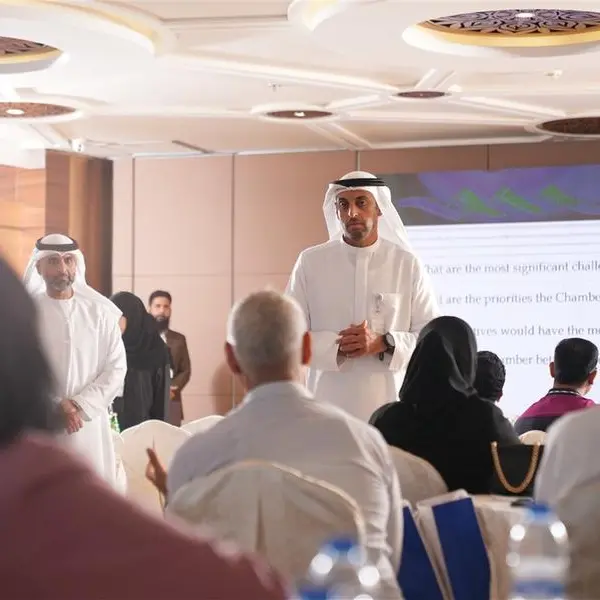
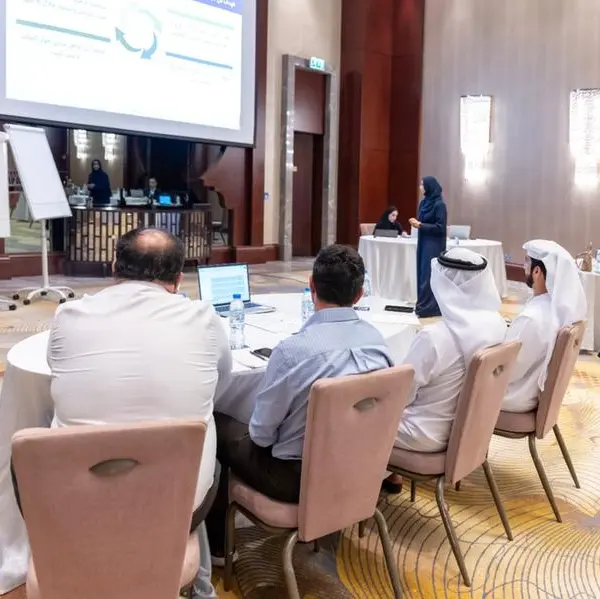
Dubai, UAE – “We are living in the age of cyber wars,” asserted the Head of Cybersecurity for the UAE Government, His Excellency Mohamed Al Kuwaiti, on the Annual Meetings of the Global Future Councils and Cybersecurity 2025, organised by the UAE Government in partnership with the World Economic Forum (WEF) on 14-16 October in Dubai.
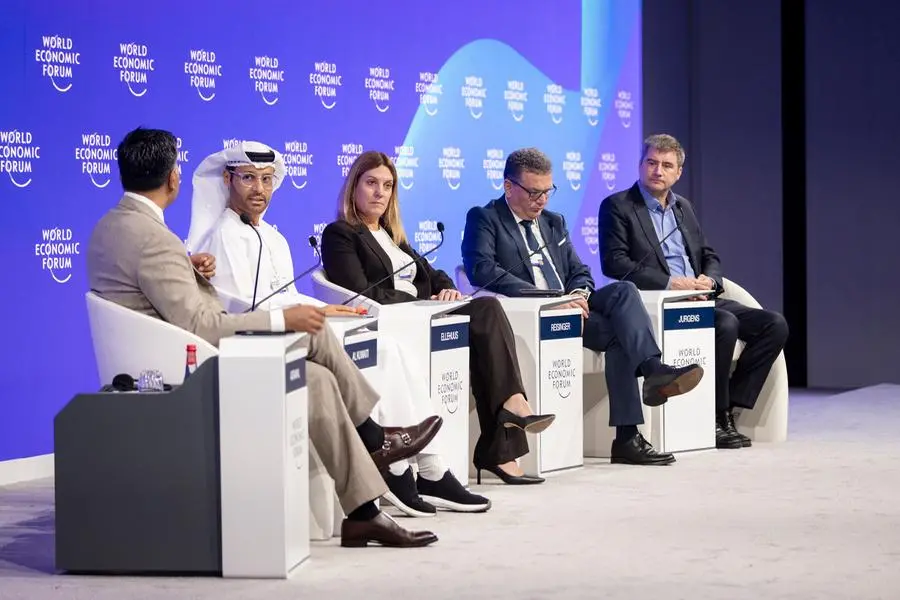
The day opened with a discussion featuring notable voices in the global cyber space sector, moderated by Ravi Agarwal, Editor-in-Chief of Foreign Policy Magazine, who invited the audience to delve deeper into the pressing challenges emerging at the intersection of generative AI and cybersecurity.
Elaborating on his “cyber wars” comment, H.E. Al Kuwaiti explained that over the past six months, nations including Ukraine, Russia, India, Pakistan, Iran, Israel, and even the UAE have faced escalating digital conflicts targeting critical infrastructure. The UAE continues to monitor these threats closely to maintain cohesion among different nationalities, he noted.
His Excellency went on to highlight that the UAE’s cybersecurity strategy was launched with the precise purpose to enhance the country’s cyber resilience, focusing on five national pillars: partnership, innovation, protection, governance, and legal frameworks. To that end, the Emirates has launched initiatives such as Cyber Pulse to empower UAE citizens, particularly students, to recognise scams, deepfakes, and online bullying, fostering a culture of secure digital behaviour.
H.E. Al Kuwaiti underscored the importance of education in national cyber awareness. “One of our most notable initiatives is the inclusion of AI in the school curriculum,” he said. “We have embedded chapters on cybersecurity, school safety, ethics in AI, and digital threats, teaching students about the subject from an early age.”
For her part, Rachel Ellehuus, Director-General of the UK’s Royal United Services Institute, emphasised that regional cooperation, particularly among immediate neighbours, can become an effective mechanism for collective security – including digital – an approach reflected in the UK’s current strategy.
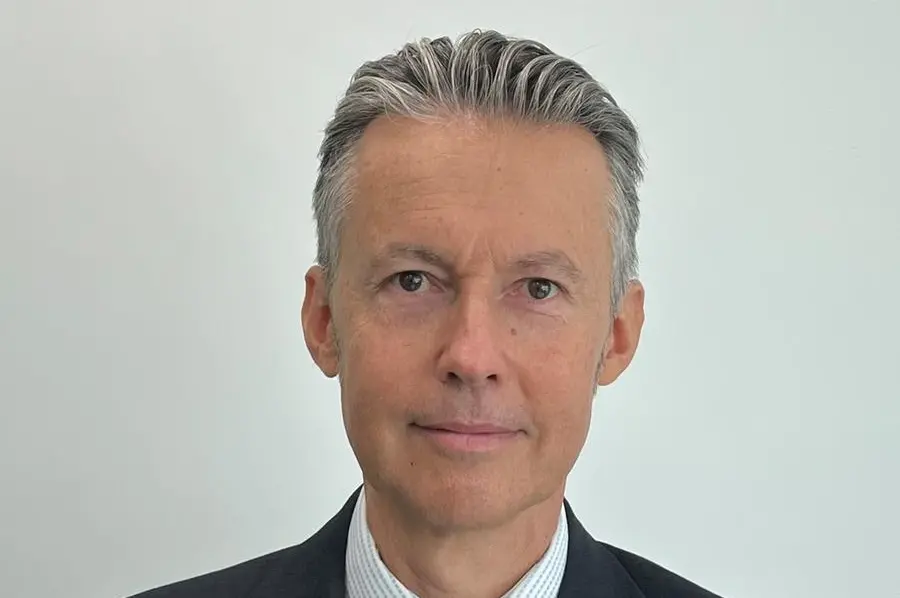
Meanwhile, Helmut Reisinger, CEO for Europe, Middle East, and Africa at Palo Alto Networks, revealed that cyberattacks have tripled compared to 2023, stressing that in an era defined by AI, accurate and timely data is essential to understanding and mitigating emerging threats.
“With Europe and Britain following distinct AI and data protection regulations, and with laws differing widely across regions, areas with weaker governance will face the greatest vulnerabilities,” he warned.
Jeremy Jurgens, Managing Director of the World Economic Forum, underscored the need for cooperation and an interdisciplinary approach to navigate the rapid advancement of AI. He noted that the Annual Meeting on Cybersecurity, featuring over 600 speakers, demonstrates not only the potential of generative AI, but also the responsibility to protect the environment, while advancing technological innovation. Jurgens praised the UAE’s role in driving regional collaboration, noting that the Emirates serves as an exemplary model for interdisciplinary problem-solving.
The session concluded with a discussion on the role of simulation hackathons in improving cyber security, and the need for legal and governing frameworks in tackling cyber threats.
The Annual Meetings of the Global Future Councils and Cybersecurity 2025 cover six broad themes: Technology, Economy, Society, Environment, Governance, and Health. This year marks the first time the Annual Meeting on Cybersecurity is held concurrently with the Global Future Councils, setting a new milestone in the strategic partnership between the UAE Government and WEF, during which nearly 900 Councils have been held, engaging more than 12,000 officials and experts from around the world.