PHOTO
(The opinions expressed here are those of the author, a columnist for Reuters.)
ORLANDO, Florida - Several Asian countries, including India and the Philippines, have already intervened in the foreign exchange market to support their currencies since the Iran war broke out. They're unlikely to be the last.
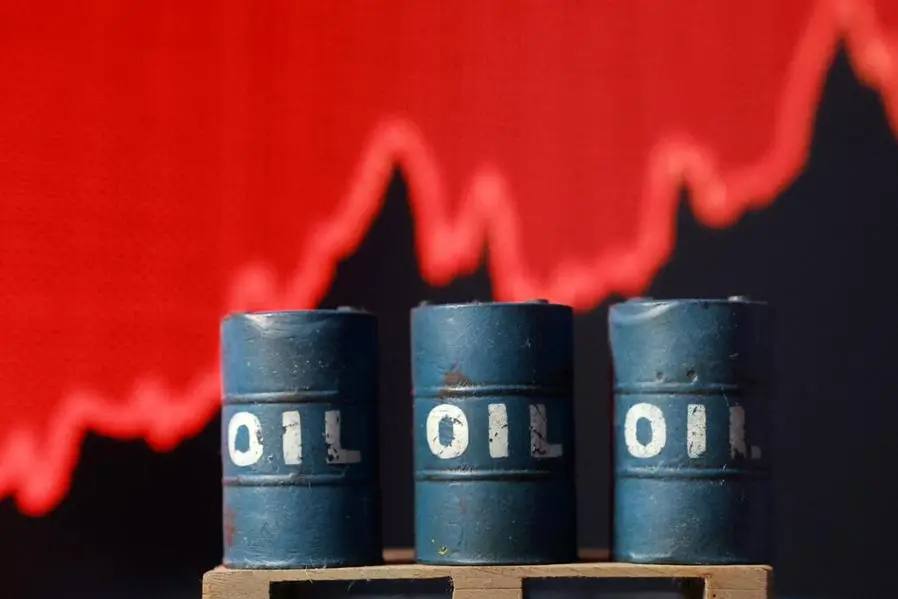
Asia, which imports 60% of its crude oil from the Middle East, is the continent most exposed to the energy shock triggered by the Iran war. Brent crude prices have soared 55% since the conflict broke out on February 28.
As a result, many Asian countries now potentially face a doom loop of rising energy costs, imported inflation, demand destruction and weakening currencies that could spiral rapidly if not checked.
The MSCI emerging market currency index fell 3% in March, its worst month since September 2022. Several currencies from Asian countries running current account deficits unsurprisingly underperformed: India's rupee, Indonesia's rupiah and the Philippine peso all slumped to record lows against the dollar.
But even nations with strong external balance sheets, like Japan and South Korea, have come under fire.
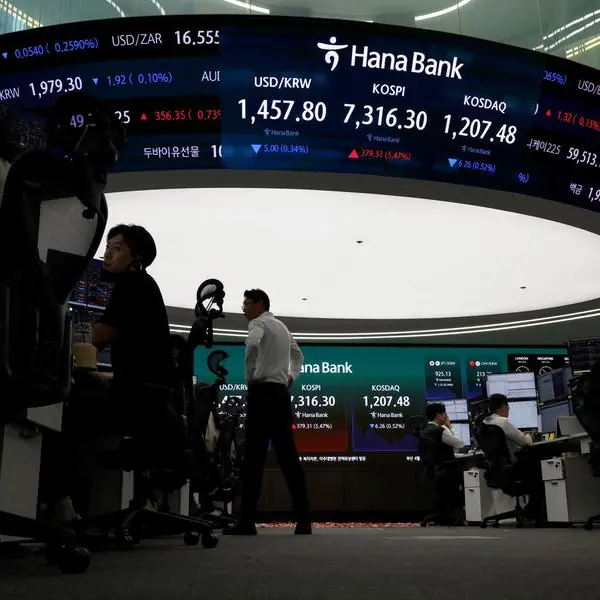
South Korea's won just hit a 17-year low, while the Japanese yen is historically weak at 160 per dollar. The yen was struggling long before the Iran conflict began, but the war has amplified the risk, leading Tokyo's Ministry of Finance to crank up its verbal intervention to prevent further weakening.
Many central banks in Asia are currently facing an "FX intervention trilemma," according to Bob Savage, head of markets macro strategy at BNY. "The energy supply shock clearly leads to cost-push inflation, but the currency transmission is problematic because the dollar bid goes up too."
Unfortunately for policymakers across the region, unless there is a quick cessation of hostilities in the Middle East, including the full reopening of the Strait of Hormuz, the pressure to intervene will only grow – resulting in even more volatility for FX investors.
DOLLAR-DENOMINATED DOUBLE WHAMMY
Asia is facing a double whammy from dollar-denominated oil.
Global crude prices have surged. Brent is now 70% more expensive than it was a year ago, which feeds into Asian countries' inflation models. On top of that, the physical shortage of oil across the continent means Asian buyers must pay a premium on physical cargoes and refined products. That premium above the "paper" price of oil quoted on financial screens has soared to record levels of up to $40 a barrel.
Asia's oil and gas trade deficit is around 2.1% of GDP, compared with the euro zone's deficit of 1.5% of GDP, according to economists at Morgan Stanley. The U.S., remember, is a net exporter of oil and gas.
Morgan Stanley estimates that if Brent remains around $120 a barrel and natural gas stays around $3 per million British thermal units, Asia's energy burden would soar to around 6.5% of GDP. That's where demand destruction historically kicks in and growth risks intensify.
This isn't an outlandish scenario - the bank's oil analysts' base case scenario is that the Strait of Hormuz remains effectively closed through the end of April.
The impact would be uneven, of course. China would be better insulated, while Thailand, South Korea, Taiwan, India, and Japan would be much more exposed – though even relatively cosseted countries could ultimately suffer if their trading partners take a hit.
SELL AMERICA, BUY LOCAL
Governments across the continent are already implementing a range of fiscal and other measures to tackle the energy crisis, such as introducing subsidies, export bans on fuel, and releasing national oil and gas reserves. But that probably won't be enough.
If the energy squeeze persists, authorities across Asia may be compelled to dip into their FX reserves and sell assets like U.S. bonds to ward off inflationary pressures, and in extremis, maybe even pay for fuel imports.
The recent decline in U.S. Treasuries held in custody at the New York Fed on behalf of foreign central banks suggests the Iran war has already prompted some reserve managers to sell dollars for local currency. Deutsche Bank analysts estimate around 80% of the fall in custody holdings in March was down to active selling of Treasuries.
Much of that will have been from Asian central banks. If there is no resolution to the war, currency intervention across the continent is almost certain to spread, which risks triggering a larger selloff in U.S. Treasuries and one of the most volatile periods for Asian currencies in decades.
(The opinions expressed here are those of Jamie McGeever, a columnist for Reuters)
Enjoying this column? Check out Reuters Open Interest (ROI), your essential new source for global financial commentary. Follow ROI on LinkedIn, and X.
And listen to the Morning Bid daily podcast on Apple, Spotify, or the Reuters app. Subscribe to hear Reuters journalists discuss the biggest news in markets and finance seven days a week.
(By Jamie McGeever; Editing by Marguerita Choy)