PHOTO
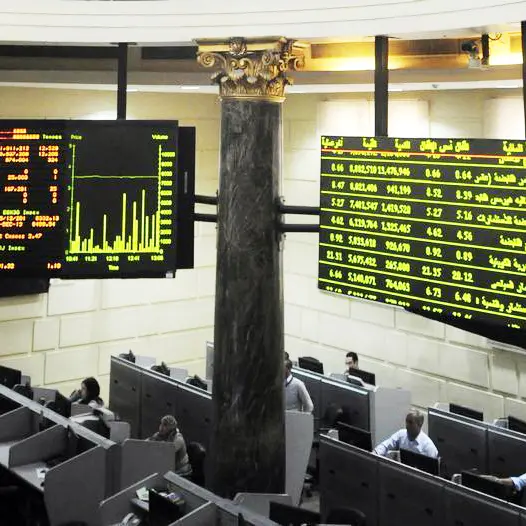
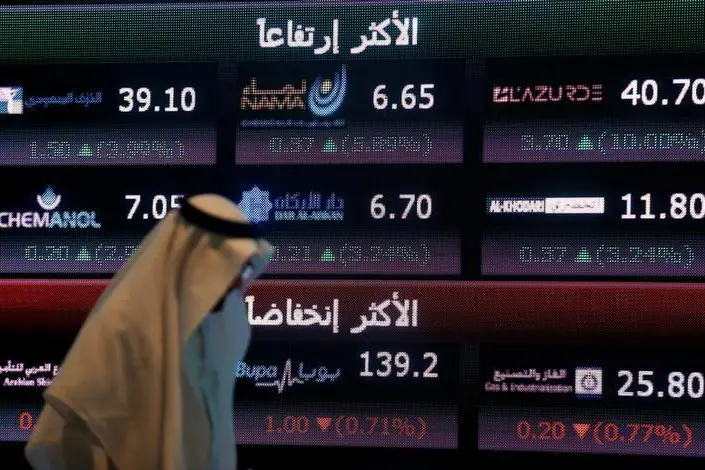
Major stock markets in the Gulf were subdued in quiet trade on Monday, even as expectation built up for a U.S. Federal Reserve interest rate cut this week.
U.S. consumer spending rose moderately in September after three straight months of solid gains, suggesting a loss of momentum in the economy at the end of the third quarter as a lacklustre labour market and rising cost of living curbed demand.
Dovish commentary from several Fed officials has further fuelled expectations of monetary easing.
CME's FedWatch tool shows markets are pricing in roughly an 88% chance of a 25-basis-point rate cut at the Fed's meeting this week.
The Fed's stance holds implications for Gulf economies, where most currencies are pegged to the U.S. dollar, making it an anchor for regional monetary stability.
Saudi Arabia's benchmark stock index edged 0.1% higher, helped by a 0.3% rise in Saudi National Bank, the country's biggest lender by assets.
Elsewhere, oil giant Saudi Aramco was up 0.4%.
Oil prices - a catalyst for the Gulf's financial markets - were supported by the chance of lower interest rates in the United States, combined with geopolitical uncertainty that could limit supplies from Russia and Venezuela.
Crude prices, even after the recent rebound, are still hovering near multi-month lows, putting pressure on the fiscal balances of oil-dependent Gulf nations through lower revenues.
Dubai's benchmark stock index was flat. In Abu Dhabi, the index eased 0.1%.
The Qatari benchmark lost 0.2%, with Qatar Navigation retreating 1.3%.
(Reporting by Ateeq Shariff in Bengaluru; Editing by Subhranshu Sahu)